
Blooming
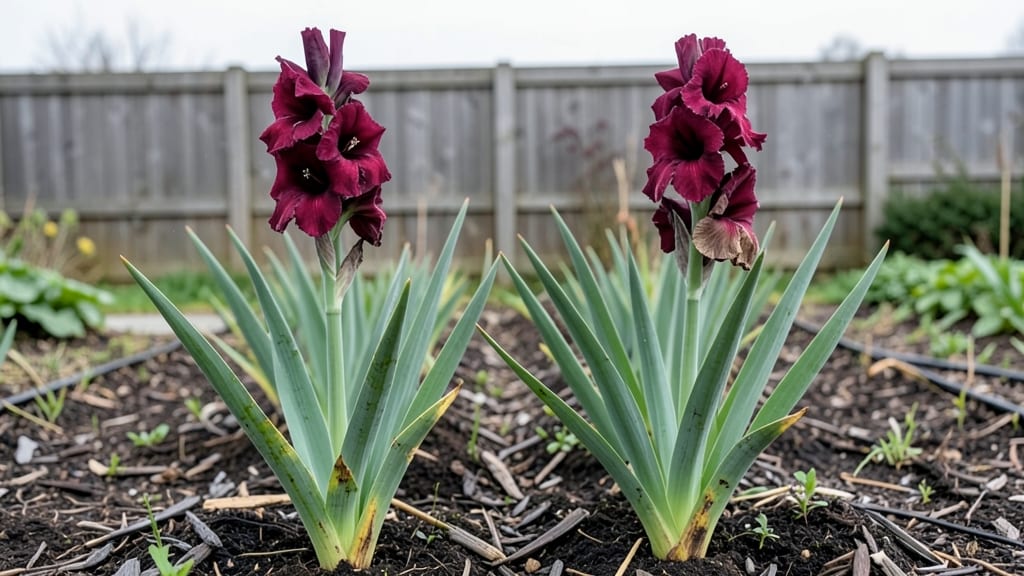
Timing isn't just about the calendar—it's all about your local growing conditions. Gladioli thrive when daytime temperatures hover around 70-75°F, which is why northern gardeners often see their peak in August while southern growers can enjoy blooms well into October.
I’ve found that planting in late spring (after the last frost) gives you the best balance between warm soil and cooler fall air, which actually helps prolong the flowering period. 🌿
Another pro tip: different varieties play a role too. Early bloomers like 'Attraction' might start showing color as early as July, while late-season types like 'Green Star' can keep your garden vibrant through September.
The key is matching your choice to your climate zone—USDA Zone 5 might need a staggered planting approach, while Zone 9 can stretch the season with minimal adjustments.
💡 In This Article
- Factors Influencing Gladiolus Flowering Timelines
- Extending Gladiolus Bloom Season with Proven Techniques
Factors influencing gladiolus flowering timelines
Gladiolus flowering is primarily governed by temperature thresholds and daylight sensitivity. These plants require 10-12 hours of daylight to trigger blooming, which explains why northern regions (USDA Zones 3-5) typically see peak flowering in August when daylight begins decreasing.
The optimal temperature range for gladiolus growth is 65-75°F during the day, with cooler nights (55-60°F) promoting stronger stems and larger blooms. When temperatures exceed 85°F for prolonged periods, flowering can be delayed or stunted due to heat stress.
Your planting date directly impacts the blooming window. Spring-planted gladioli (after last frost) usually bloom 80-100 days after planting, while fall-planted corms may produce earlier blooms in warmer climates.
For example, in Zone 7, spring-planted 'White Friendship' typically blooms in early September, whereas fall-planted 'Black Star' might appear as early as July. The key is synchronizing planting with your local frost dates—planting too early risks frost damage, while planting too late may delay blooming until after peak season.
Variety selection is another critical factor. Early bloomers like 'Green Star' (blooms 75-85 days after planting) thrive in southern climates where they can take advantage of longer growing seasons.
Late-season varieties such as 'Pink Parfait' (blooms 90-100 days) are better suited for northern gardens where cooler temperatures extend the growing period. The height of the variety also matters—taller types (like 'Starlight') often bloom slightly later than shorter varieties due to their longer stem development time.
Daylight sensitivity plays a subtle but important role. Gladioli are considered "short-day" plants, meaning they bloom when daylight hours shorten. In northern latitudes, this natural progression aligns with August-September blooming. However, in southern regions where daylight remains long into fall, some varieties may continue blooming into October.
This is why you'll often see staggered blooming patterns in mixed gardens—different varieties respond to daylight changes at slightly different rates.
Soil temperature is another often-overlooked factor. Gladioli corms need soil temperatures of at least 60°F to begin active growth. In cooler climates, this might require waiting until late May or early June to plant, which pushes back the blooming window.
Conversely, in warmer climates, you can plant as early as March, potentially extending the blooming season. The depth of planting also matters—corms should be planted 4-6 inches deep to maintain consistent soil temperatures around the growing point.
What most gardeners don't realize is how microclimates within your garden can create variations. A south-facing bed will warm up faster in spring, potentially advancing blooming by 1-2 weeks compared to north-facing areas. Similarly, elevated beds or raised planters can create warmer microclimates that extend the growing season.
These subtle environmental factors can mean the difference between August blooms and September displays in the same general climate zone.