
Blooming
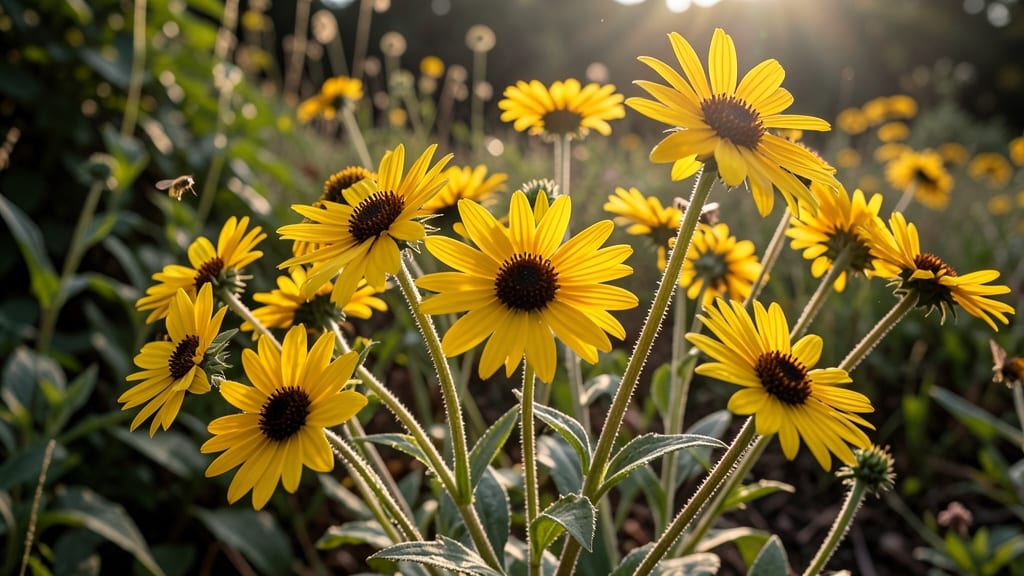
Extend your garden’s beauty into fall with these 10 hardy perennials that thrive in late summer. Perfect for busy gardeners, these low-maintenance plants offer vibrant blooms when most gardens fade—adding color and life to your outdoor space with minimal effort.
Black-Eyed Susan for Sunlit Gardens
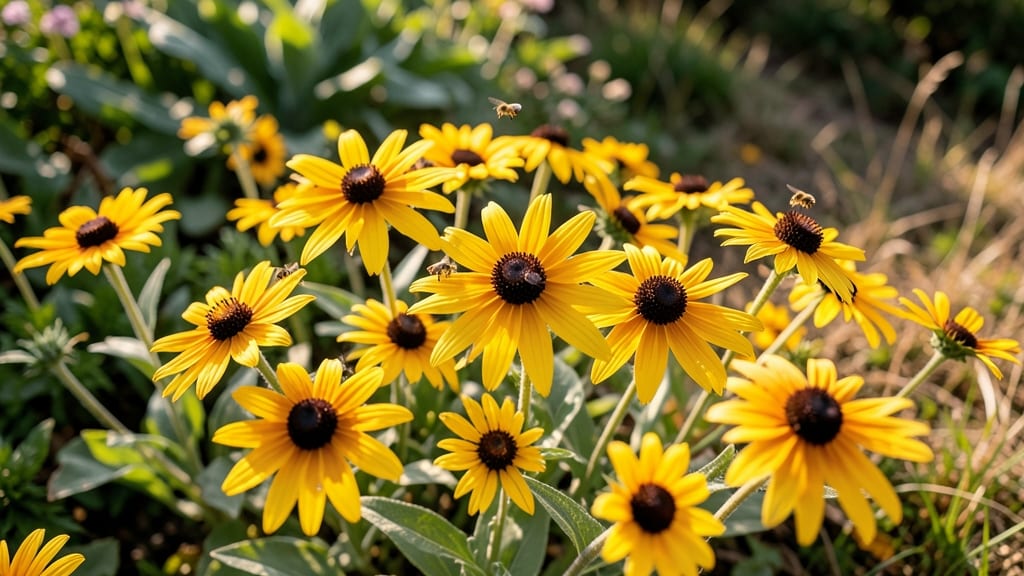
When your garden seems to fade as summer winds down, Black-Eyed Susan steps in to steal the show with its cheerful yellow blooms that dance in full sun until frost. This hardy perennial is a pollinator's dream, attracting bees and butterflies while requiring almost no fuss from you.
Plant it in well-drained soil where it gets 6+ hours of sun daily, and watch it thrive even through drought. The best part? It deadheads itself—no need to pinch spent blooms. Just let it go until winter, then trim back in early spring. Perfect for borders or wildflower meadows, it pairs beautifully with coneflowers or Russian sage for a late-summer cottage garden.
Ideal for beginners or busy gardeners, Black-Eyed Susan delivers year-round value with minimal care. 🌻
Russian Sage for Drought-Tolerant Beauty
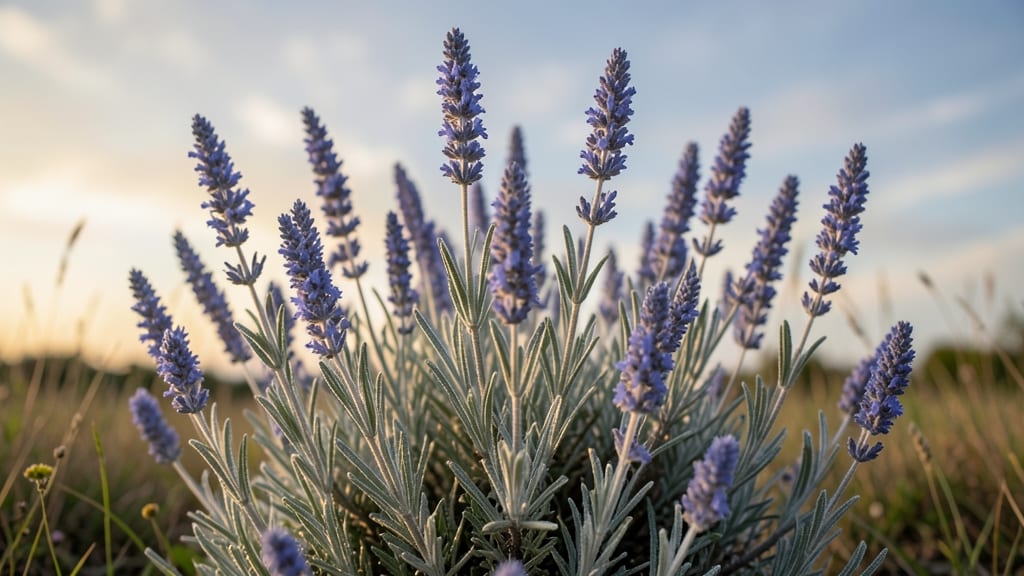
If you’re dreaming of a garden that thrives on neglect but still dazzles with color, Russian sage (Perovskia atriplicifolia) is your secret weapon. Its airy, lavender-blue flower spikes rise above silvery foliage like a fragrant cloud, drawing butterflies and hummingbirds with minimal effort from you.
This drought-tolerant perennial thrives in full sun to partial shade and tolerates poor, well-drained soil—making it ideal for rocky slopes or xeriscaping. Plant it in well-spaced clumps (3-4 feet apart) to allow airflow, and prune back in early spring to encourage bushier growth. Deadheading spent blooms isn’t necessary, as the seed heads add winter interest.
Perfect for gardeners in USDA zones 5-9, Russian sage’s silvery-blue hues contrast beautifully with golden grasses or deep purple salvias. Its late-summer to fall bloom ensures your garden stays vibrant when others fade—with almost no watering required. 🌟
Coneflower for Pollinators and Medicine
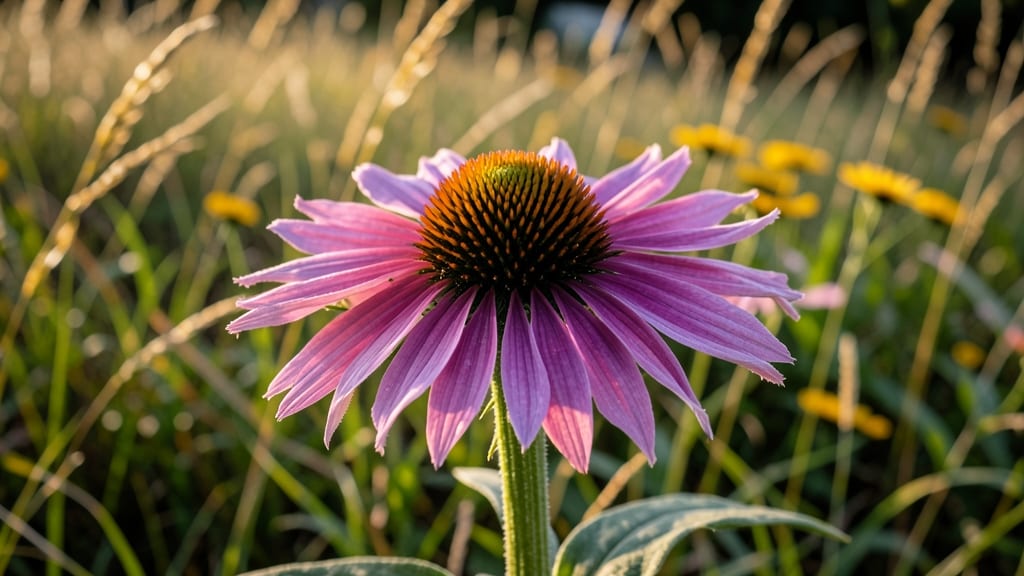
If you want a perennial powerhouse that works as hard as it blooms, look no further than coneflower (Echinacea purpurea). This native North American beauty doesn’t just feed pollinators—it thrives in conditions where other plants would struggle, making it a true garden MVP.
Coneflower’s purple-pink petals and spiky centers attract bees, butterflies, and even goldfinches, while its deep roots help improve soil health. It blooms from mid-summer to frost with minimal care, and its drought-tolerant nature means you’ll spend less time watering and more time admiring its cheerful faces. Plus, its medicinal properties have been used for centuries—just don’t eat the raw roots!
Perfect for beginner gardeners or those with poor soil, coneflower is the ultimate low-maintenance star. Plant it in full sun to part shade, and watch your garden buzz with life all season long. 🌟
Goldenrod for Late-Season Sunshine
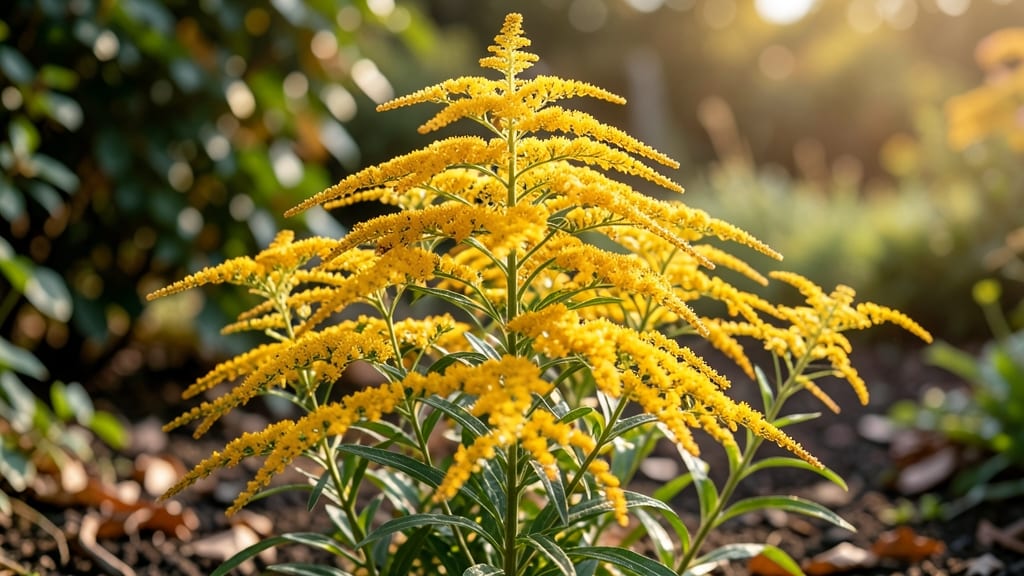
If you’ve ever blamed goldenrod for your seasonal allergies, think again—this cheerful late-summer bloomer is a lifeline for pollinators, not the culprit. Its feathery yellow plumes burst into color when many gardens are fading, offering a bold contrast in shady or sunny spots alike.
Goldenrod thrives in average to poor soil and tolerates drought once established, making it ideal for low-maintenance gardens. Its 3- to 5-foot height adds vertical interest, while its airy blooms attract monarchs, bees, and butterflies until October. For best results, deadhead spent blooms to encourage more flowers and prevent self-seeding where you don’t want it.
This is the perfect plant for beginner gardeners or anyone looking to extend their garden’s season without extra work. Plus, its cheerful yellow hue lifts spirits on gloomy fall days. 🌻
Sedum for Rocky or Contained Spaces
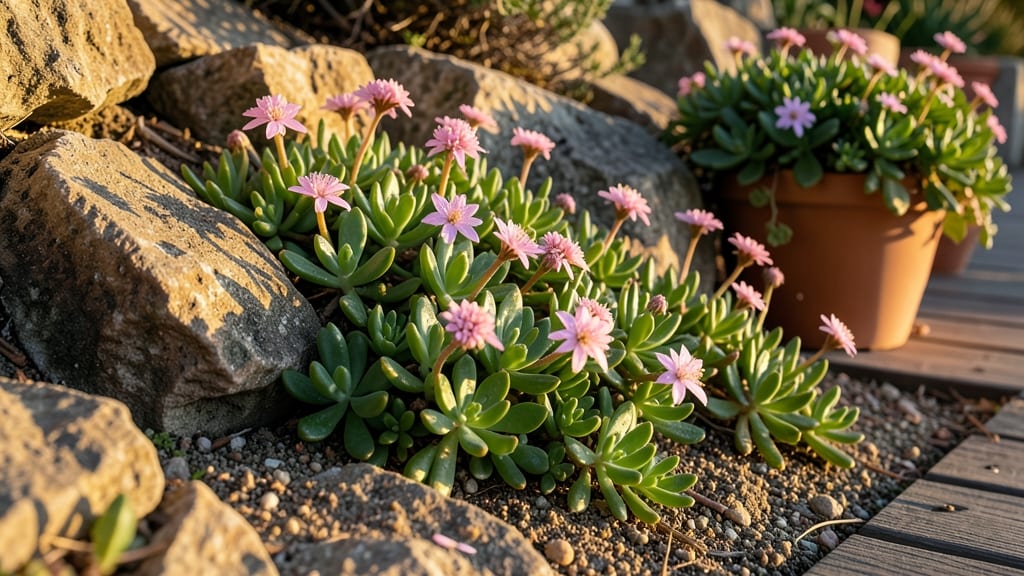
When your garden space feels too small or too rocky for traditional perennials, sedum steps in as the unsung hero. With its succulent-like leaves and star-shaped pink blooms, this drought-resistant plant thrives where others would struggle—spilling over containers, filling crevices, or even growing between cracks in stone walls.
Sedum stores water in its thick leaves, making it nearly indestructible and perfect for low-water gardens. Varieties like 'Autumn Joy' burst into deep pink blooms from late summer straight through frost, while 'Angelina' offers fiery orange foliage year-round. Plant it in full sun to partial shade and watch it spread effortlessly, requiring little more than occasional trimming to keep it tidy.
This is the ideal plant for urban gardeners, rock garden enthusiasts, or anyone with limited space. Whether you’re filling a window box or softening a rocky slope, sedum delivers bold color and texture with zero fuss. 🌷
Aster for Butterflies and Cool Weather
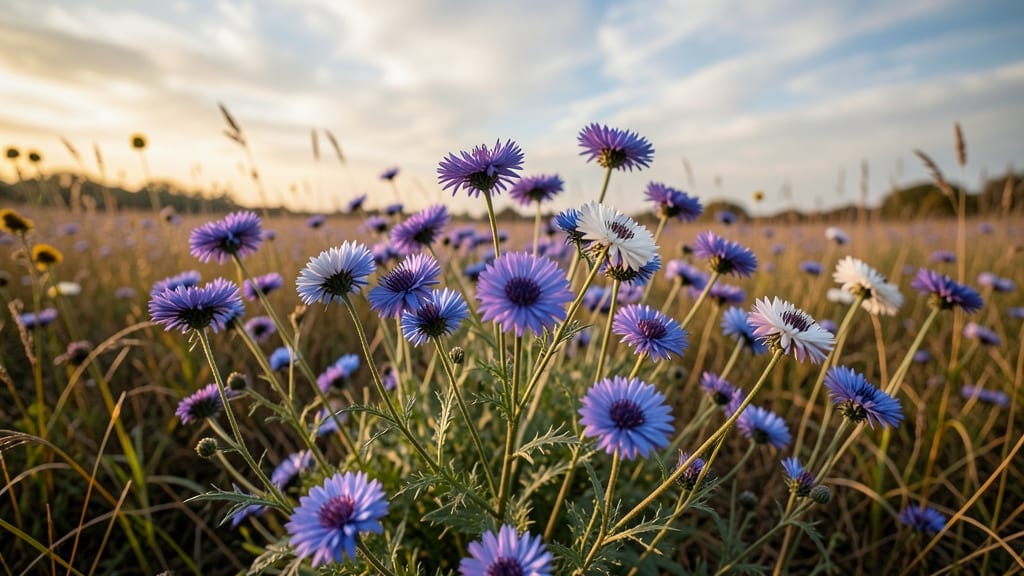
When your garden starts to lose its summer sparkle, asters swoop in like nature’s own fireworks display, bursting into purple, blue, or white blooms as temperatures dip. These cool-season champions don’t just survive fall—they thrive in it, offering a second wave of color when many perennials have called it quits.
Plant New England asters or Symphyotrichum varieties in full sun to partial shade for a show that lasts from September through October. Their daisy-like flowers are a magnet for migrating monarchs and other butterflies, providing essential nectar during their journey south. For best results, deadhead spent blooms to encourage more flowers, and divide clumps every 3-4 years to keep them vigorous. Asters also make excellent cut flowers, bringing their cheerful hues indoors.
This is the ideal plant for urban gardeners with limited space or those in USDA zones 3-8 who want to extend their garden’s season. With minimal care, asters deliver maximum impact—turning late summer into a butterfly paradise. 🌷
Bee Balm for Hummingbird Havens
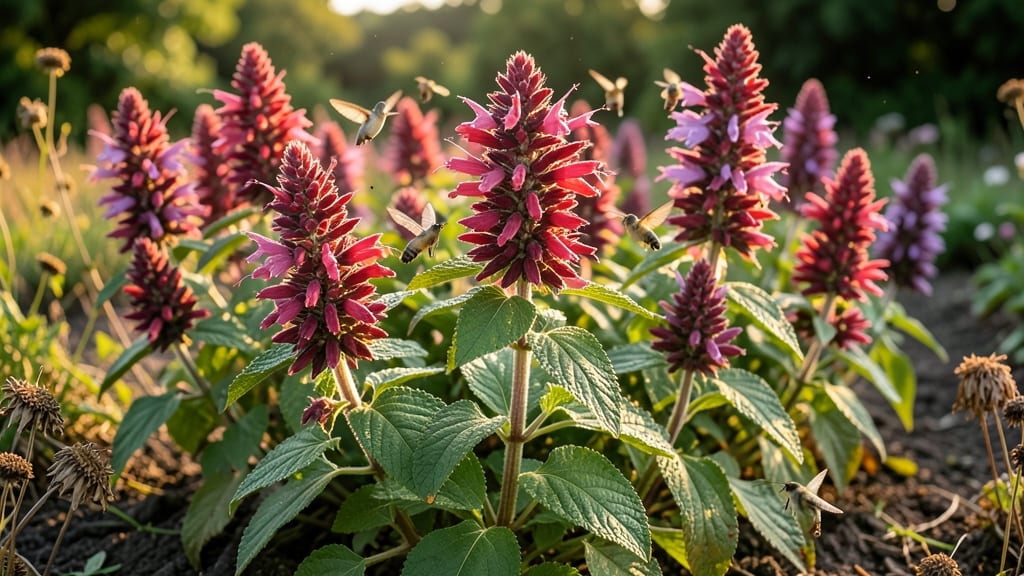
Watch your garden come alive with bee balm (Monarda spp.), a late-summer superstar that turns your space into a hummingbird buffet. Its vibrant red, pink, or purple tubular blooms aren’t just pretty—they’re shaped perfectly to feed hummingbirds while attracting bees in waves, creating a lively, buzzing ecosystem right outside your window.
This hardy perennial thrives in partial shade to full sun and spreads easily, making it ideal for cottage gardens or woodland edges. To keep it contained, plant it in a pot or divide clumps every few years. Deadhead spent blooms to encourage more flowers and prevent self-seeding where you don’t want it. Bee balm also loves moist, well-drained soil—perfect for rain gardens or near water features.
Whether you're a beginner gardener or a seasoned pro, bee balm delivers effortless beauty and wildlife support. Plant it near seating areas to enjoy the show up close! 🌷
Lavender for Fragrance and Structure
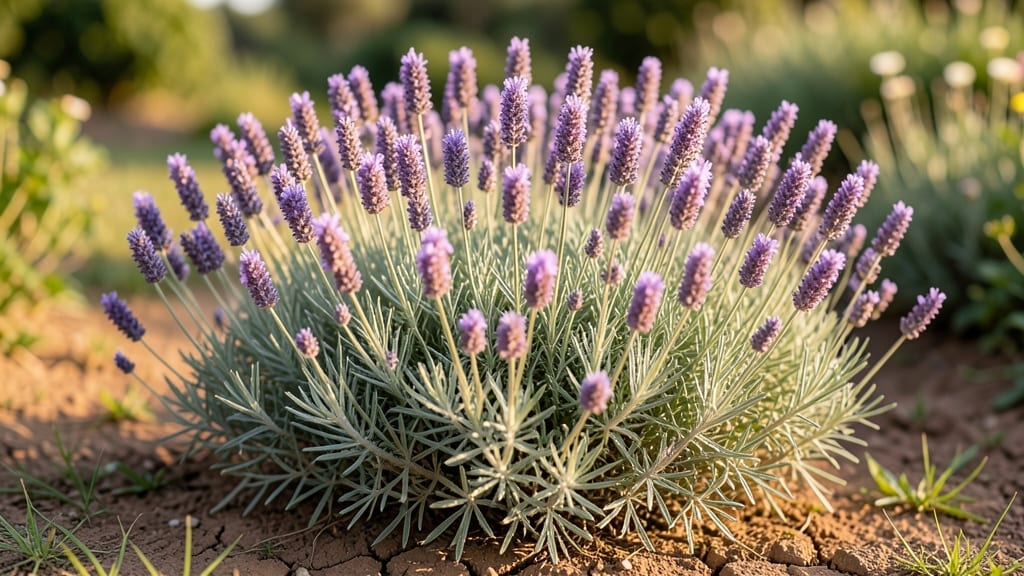
When you crave a plant that does double duty—fragrant and functional—look no further than lavender. Its silvery-green foliage and fragrant purple spikes don’t just smell amazing; they also repel pests like mosquitoes and aphids while thriving in poor, well-drained soil where other perennials might struggle.
This versatile perennial blooms from mid-summer to early fall, making it a star in late-season gardens. Plant it in full sun for the best scent and color, and space clumps 18-24 inches apart to allow airflow (which also deters fungal issues). For cutting gardens, harvest stems just as buds open—they’ll last 7-10 days in a vase. Bonus: Lavender’s drought tolerance means you’ll spend less time watering and more time enjoying its calming aroma.
Perfect for urban gardeners, cottage-style borders, or container gardens, lavender adds structure and scent without demanding much from you. Whether you’re growing it for relaxation, pest control, or simply beauty, it’s a low-maintenance powerhouse for late summer. 🌷
Joe Pye Weed for Wet or Sunny Spots
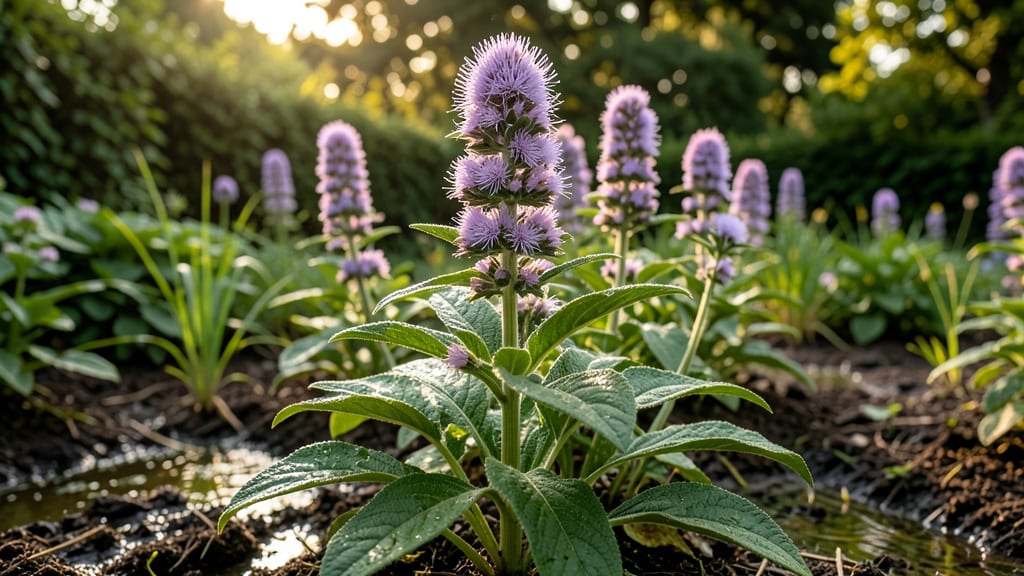
If your garden has areas that are either too wet or too sunny for most perennials, Joe Pye weed (Eutrochium purpureum) is your secret weapon. This towering late-summer bloomer (reaching 4–7 feet tall) thrives in boggy soil, rain gardens, or full sun, making it one of the most adaptable plants for tricky spots.
Its pink-purple flower clusters bloom from August through October, attracting butterflies, bees, and even hummingbirds while providing a dramatic backdrop for cottage or prairie-style gardens. Plant it in moist to wet soil (it tolerates standing water!) and full sun to part shade, and watch it create a lush, romantic focal point with minimal care. Just cut back the dead foliage in early spring to make room for new growth.
Perfect for beginner gardeners, pollinator lovers, or anyone with wet soil, Joe Pye weed adds height and drama without the fuss of high-maintenance perennials. 🌿
Sneezeweed for Bold Yellow Accents

When you crave a bold pop of color that brightens up late summer and early fall, sneezeweed (Helenium autumnale) delivers with its sunshine-yellow daisy-like blooms and striking dark centers. This underrated perennial thrives in full sun and attracts pollinators like bees and butterflies, making it a double win for your garden and local wildlife.
Plant sneezeweed in well-drained soil where it gets 6+ hours of sunlight daily, and it will reward you with cheerful blooms from August through October. Its tall, airy stems (2-4 feet) add vertical interest to borders or wildflower meadows, while its drought-tolerant nature means less watering for you. For best results, deadhead spent blooms to encourage more flowers and prevent self-seeding where you don’t want it.
Perfect for beginner gardeners or anyone looking to add low-maintenance late-season color, sneezeweed pairs beautifully with coneflowers or black-eyed Susans for a vibrant fall display. Its easy-care nature and pollinator-friendly blooms make it a must-have for any garden. 🌻