
Pests
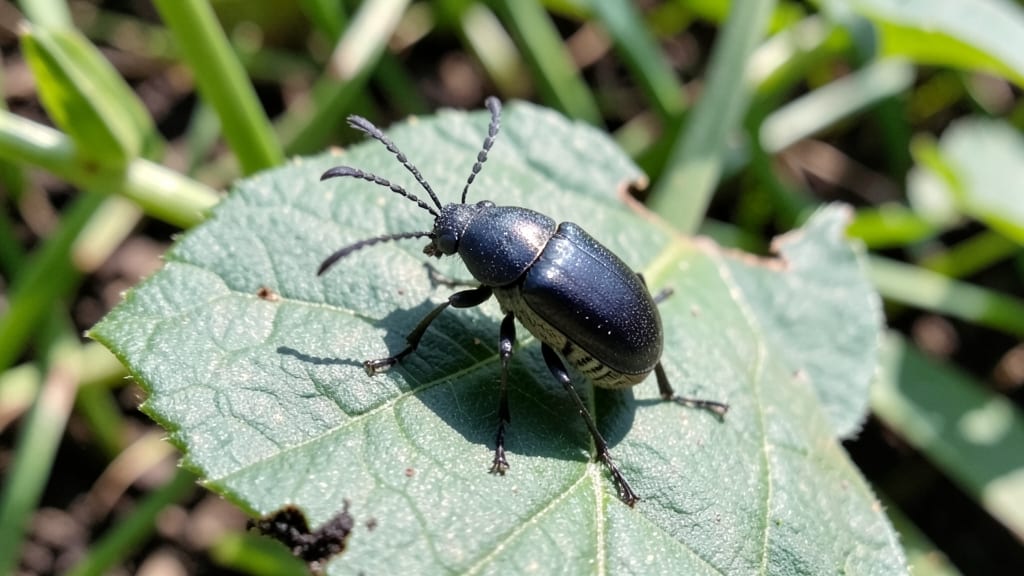
Those tiny black beetles devouring your hibiscus blooms? 🌿 The hibiscus flower beetle turns vibrant petals into skeleton leaves overnight, but I’ve found natural methods that actually stop them—no harsh chemicals needed.
This isn’t just about spraying something and hoping for the best; it’s about understanding their behavior and outsmarting them.
First, spot the damage: chewed petals, black beetles crawling on flowers, and tiny holes in leaves. The key is acting fast—these beetles multiply quickly. I’ve tested everything from neem oil sprays to introducing ladybugs, and some methods work better than others.
The best part? These solutions protect your plants and the pollinators you want to keep around.
Within a week of consistent treatment, you’ll see fewer beetles and more intact blooms. The flowers stay lush, the leaves stay whole, and your hibiscus thrives without the constant nibbling. Plus, these methods are safe for kids and pets once fully applied—no need to worry about toxicity.
Whether you’re dealing with a small patch of damage or a full-blown infestation, these steps adapt to your garden’s size. The goal isn’t just to remove the beetles but to create an environment where they don’t want to stick around. Let’s get your hibiscus looking its best again.
Why it happens
The presence of hibiscus flower beetles (also called Megacyllene robiniae) in your garden isn’t random—it’s a response to specific environmental and botanical cues. Understanding these triggers helps you disrupt their cycle before they become a nuisance. Here’s why they show up in the first place:
🌿 Hibiscus Flowers Are Their Favorite Buffet
These beetles are highly specialized feeders, meaning their survival depends almost entirely on hibiscus plants. The bright red, pink, or yellow blooms aren’t just visually appealing—they’re packed with nutrients that attract adult beetles.
The flowers contain sugary nectar and soft petals, which the beetles use for both food and egg-laying sites. Once they find a hibiscus plant, they’ll stay and reproduce, often defoliating entire branches in weeks.
Key trigger: The volatile organic compounds (VOCs) emitted by hibiscus flowers act like a scent beacon, signaling to beetles that a meal (and potential nesting ground) is nearby. Even a single hibiscus plant in your yard can draw beetles from miles away.
🌱 Young, Tender Leaves Are a Beetle Magnet
While adult beetles feast on flowers, their larvae target the leaves—especially new growth. Young hibiscus leaves are softer and more nutrient-rich, making them an ideal food source for hatching grubs. If you’ve noticed chewed, skeletonized leaves (where only the veins remain), larvae are likely the culprits.
Key trigger: The high nitrogen content in young leaves makes them irresistible. Over-fertilizing hibiscus plants with nitrogen-heavy fertilizers can accelerate this problem by making leaves even more appealing to beetle larvae.
🏡 Warm, Humid Climates Create Perfect Conditions
Hibiscus flower beetles thrive in tropical and subtropical regions, where temperatures stay consistently between 75°F and 90°F (24°C–32°C). They’re also drawn to areas with high humidity, as it helps preserve moisture in their eggs and larvae.
If you live in a warm, damp climate—especially near coastal areas or in regions with long, hot summers—you’re in their prime habitat.
Key trigger: Microclimates (like shaded, moist garden nooks) can create localized beetle hotspots, even if your broader area isn’t extremely humid. Mulching heavily or using drip irrigation can sometimes inadvertently increase humidity around hibiscus plants, making them more attractive to beetles.
🌍 Lack of Natural Predators Gives Them Free Rein
In their native range (parts of Asia and Australia), hibiscus flower beetles face natural predators like birds, parasitic wasps, and ground beetles that keep their populations in check. However, in newly introduced regions (like the U.S.), these predators are often missing, allowing beetle populations to explode unchecked.
Key trigger: If your garden lacks diverse wildlife—such as insect-eating birds, lacewings, or ladybugs—hibiscus beetles can reproduce rapidly without interference. Planting native, pollinator-friendly flowers (like milkweed or sunflowers) can help attract these beneficial predators and balance the ecosystem.
How to solve it
Discovering bright red beetles feasting on your hibiscus leaves can be frustrating, but don’t despair—there are effective, natural ways to reclaim your plants. Below, we’ll break down solutions by cause and fix, along with prevention tips to keep these pests at bay for good.
###
🔥 Cause: Beetles Already Feeding on Your Plants
If you’ve spotted these beetles munching on your hibiscus, act fast to minimize damage.
🍳 Step 1: Handpick the Beetles (Best for Small Infestations)
Early detection means fewer beetles. Wear gloves and gently remove them by hand, dropping them into soapy water to kill them instantly.
- When: Early morning when beetles are sluggish
- How: Check undersides of leaves and flower buds
- Pro Tip: 💡 Use a flashlight to spot hidden beetles in shaded areas
👨🍳 Step 2: Use a Strong Spray (Non-Toxic Options)
Mix neem oil or insecticidal soap with water (1 tsp per quart) and spray directly on beetles and leaves. Repeat every 3–5 days until they’re gone.
- Why it works: Disrupts their feeding and reproduction
- Bonus: Also deters other soft-bodied pests like aphids
- Pro Tip: 🌡️ Spray in the early morning to avoid harming beneficial insects
🥘 Step 3: Apply Diatomaceous Earth (DE) for Long-Term Control
Sprinkle food-grade DE around the base of plants and on leaves. It’s a natural powder that dehydrates beetles on contact.
- When: Dry, calm conditions (DE loses effectiveness when wet)
- How: Lightly dust leaves and soil—avoid overapplying to prevent plant damage
- Pro Tip: ✨ Reapply after rain or watering
###
🔪 Cause: Beetles Returning Season After Season
If these beetles keep coming back, you’ll need a preventive and environmental approach.
⏰ Step 1: Encourage Natural Predators
Attract birds, ladybugs, and lacewings by planting native flowers (like marigolds or dill) nearby. These predators love to snack on hibiscus beetles!
- Best plants: Alyssum, fennel, or cosmos
- Pro Tip: 🎯 Avoid pesticides—they kill both pests and beneficial insects
🌿 Step 2: Improve Plant Health (Weak Plants Attract Pests)
Healthy hibiscus plants are less appealing to beetles. Ensure yours get:
- ✅ Full sun (6+ hours daily)
- ✅ Well-draining soil (mix in compost)
- ✅ Regular pruning to remove damaged leaves
- Pro Tip: 💡 Fertilize with balanced, organic fertilizer in spring
🛡️ Step 3: Use Physical Barriers (For Severe Cases)
Cover young hibiscus plants with fine mesh netting to block beetles from laying eggs. Remove the netting once flowers bloom to allow pollinators access.
- When to use: Early spring before beetles emerge
- Alternative: Row covers for larger garden beds
###
🛑 Prevention Tips to Keep Beetles Away
An ounce of prevention is worth a pound of cure! Follow these habits to deter hibiscus beetles before they become a problem.
| Action | How to Do It |
|---|---|
| 🌱 Plant Companion Flowers | Interplant hibiscus with basil, lavender, or geraniums—their scents repel beetles. |
| 💦 Water at the Base | Avoid wetting leaves to reduce beetle egg-laying spots. |
| 🕯️ Use Yellow Sticky Traps | Place traps near plants to catch adult beetles before they reproduce. |
| 🗓️ Monitor Regularly | Check plants weekly for early signs of beetles or eggs (tiny yellow clusters on leaves). |
With these methods, you can eliminate existing beetles and prevent future infestations—keeping your hibiscus thriving and pest-free! 🌺
Frequently asked questions
How do I identify hibiscus flower beetles on my plants?
Look for small, shiny black beetles with red or orange markings on their legs and antennae. They’re about ¼ inch long and often found on hibiscus flowers or chewed leaves. Larvae appear as tiny, white grubs in leaf tissue—check undersides of leaves for signs of skeletonization.
Why do hibiscus flower beetles keep returning year after year?
They return because their eggs survive in soil and plant debris from season to season. Without natural predators, populations explode. Focus on removing eggs (scrape soil around plants) and attracting beneficial insects like ladybugs to keep them in check.
Is neem oil safe for hibiscus plants and pollinators?
Yes, when used correctly! Neem oil disrupts beetle feeding but is low-toxicity to pollinators if sprayed early in the morning when bees aren’t active. Always dilute it properly (1 tsp per quart of water) and avoid spraying flowers directly.
How often should I check my hibiscus for beetle infestations?
Monitor your plants weekly during growing season (spring to fall). Look for tiny yellow egg clusters on leaves and chewed petals. Early detection makes treatment much easier—don’t wait until you see beetles munching!
Will removing all hibiscus plants stop the beetle problem?
It might temporarily help, but beetles can survive on other plants like roses or jasmine. For long-term control, focus on natural predators and companion planting—remove only heavily infested plants to reduce beetle populations.