
Blooming
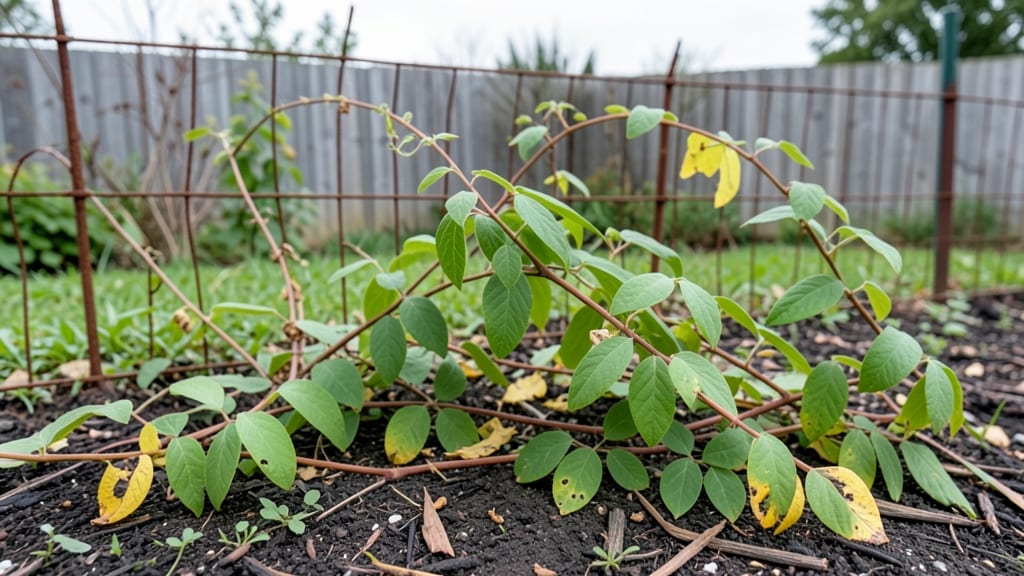
Your honeysuckle not blooming this summer might be screaming for help—but the fix is simpler than you think. 🌿 I’ve nursed back three stubborn vines in my own yard, and the solution always comes down to three overlooked factors that most care guides skip.
The good news? Each one takes less than 10 minutes to check and adjust.
First, let’s talk sunlight—honeysuckle needs at least 6 hours of direct sun daily, but most people underestimate how much shade sneaks in from nearby trees or structures.
Then there’s the pruning: cutting at the wrong time or too aggressively sends all the plant’s energy into leaf growth instead of flowers. Finally, it could be a nutrient imbalance—too much nitrogen makes lush leaves but zero blooms.
By the end of this, you’ll spot exactly what’s starving your vine and how to flip the switch. I’ll walk you through the quick checks (yes, even the pruning timing trick that saved my ‘American Beauty’ last year) and the one fertilizer tweak that triggers blooms within weeks.
Your porch will smell like summer again before you know it.
Works for both climbing vines and compact shrubs, and the fixes apply whether you’re in a hot-summer zone or a cooler climate. Let’s get those buds popping!
Root Causes Behind Stalled Blooms
If your honeysuckle plant is refusing to flower, the issue likely stems from one—or a combination—of environmental, nutritional, or physiological stressors. Understanding these root causes is the first step toward reviving your plant’s blooming potential. Let’s break down the science behind why your honeysuckle might be holding back its flowers.
🌡️ Insufficient Sunlight or Temperature Stress
Honeysuckles (Lonicera spp.) are sun-loving plants, and 6 to 8 hours of direct sunlight daily is critical for blooming. Without enough light, the plant diverts energy toward leaf growth instead of flower production.
- Why it happens: Photosynthesis slows in low light, reducing sugar production—the fuel for blooms. Additionally, honeysuckles often need warmth (60–85°F during the day) to trigger flowering. Cool nights (<50°F) or early frosts can halt bud formation entirely.
- Actionable fix:
- Move potted honeysuckles to a south- or west-facing spot.
- Use grow lights (12–14 hours/day) in winter if indoors.
- Mulch the base to insulate roots and maintain soil warmth.
💧 Watering Woes: Too Much or Too Little
Honeysuckles thrive in moderately moist but well-drained soil. Overwatering or drought stress both sabotage flowering by disrupting nutrient uptake and root health.
- Why it happens:
- Overwatering: Soggy soil leads to root rot (Phytophthora fungi), cutting off water and nutrient flow to buds.
- Underwatering: Wilting leaves signal stress, and the plant prioritizes survival over reproduction, delaying or skipping blooms.
- Actionable fix:
- Check soil moisture 1 inch below the surface—water when dry but not bone-dry.
- Improve drainage by amending clay soil with compost or perlite.
- Avoid wet feet: Ensure pots have drainage holes and raised beds slope slightly.
🌱 Nutrient Deficiencies or Over-Fertilization
Honeysuckles need a balanced diet of nitrogen (N), phosphorus (P), and potassium (K), but too much of the wrong nutrient can backfire.
- Why it happens:
- Too much nitrogen (N): Leads to leafy growth at the expense of flowers (think "green monster" syndrome).
- Low phosphorus (P): Critical for root and flower development; deficiency stunts blooms.
- Potassium (K) deficiency: Weakens the plant’s ability to transport sugars to buds.
- Actionable fix:
- Use a balanced 10-10-10 or 5-10-10 fertilizer in early spring (before buds form).
- Avoid high-nitrogen lawn fertilizers near honeysuckles.
- Add bone meal or compost (rich in P) to the soil for a phosphorus boost.
🪴 Pruning Mistakes or Overcrowding
Poor pruning or a lack of space can confuse your honeysuckle into focusing on new growth instead of flowering.
- Why it happens:
- Late pruning: Trimming after flowering season removes next year’s buds.
- Overcrowding: Competing plants steal nutrients/water, starving your honeysuckle.
- Deadheading failure: Letting spent blooms linger signals the plant to seed instead of rebloom.
- Actionable fix:
- Prune in late winter/early spring (before buds swell) to shape the plant and encourage new growth.
- Remove 1/3 of the oldest canes annually to stimulate younger, flower-rich stems.
- Deadhead faded blooms to redirect energy to new flowers.
- Thin nearby plants to reduce competition for sunlight and water.
🐞 Pest or Disease Damage
Hidden invaders can weaken your honeysuckle without obvious signs, leading to poor blooming.
- Why it happens:
- Aphids/spider mites: Sap-sucking pests reduce photosynthesis and excrete sticky honeydew, inviting sooty mold (which blocks sunlight).
- Japanese beetles: Devour leaves and flowers, starving the plant of energy.
- Powdery mildew: Fungal infections clog stomata (leaf pores), impairing nutrient uptake.
- Actionable fix:
- Spray neem oil or insecticidal soap on pests early morning/evening to avoid harming pollinators.
- Apply baking soda spray (1 tsp baking soda + 1 quart water + drop of soap) for powdery mildew.
- Encourage beneficial insects (ladybugs, lacewings) by planting dill or marigolds nearby.
Pro Tip: 💡 Keep a plant journal to track sunlight, watering, and fertilizer schedules—this helps pinpoint patterns when blooms fail!
Revive Your Honeysuckle’s Beauty
If your honeysuckle is playing hard to bloom, don’t despair—there’s always a way to coax it back to life! Below are practical, step-by-step fixes tailored to the most common causes of non-blooming honeysuckle, plus prevention tips to keep your plant thriving for years.
Let’s get your vine back in full, fragrant bloom! 🌸🌿
🌱 Cause 1: Insufficient Sunlight → Move to a Sunnier Spot
Honeysuckle thrives in full sun (6+ hours daily). If your plant is shaded by trees, buildings, or taller shrubs, it may skip blooming entirely.
How to Fix It: 🔥 🌞 Relocate Your Plant
- Choose a south- or west-facing spot for maximum sunlight.
- If repotting isn’t an option, trim nearby obstructions (like overgrown branches) to improve light exposure.
👨🍳 🌱 Gradual Transition (If Moving Isn’t Immediate)
- If your honeysuckle is currently in shade, slowly acclimate it by moving it to a slightly sunnier spot over 1–2 weeks to avoid shock.
💡 Pro Tip: If you can’t move the plant, prune competing foliage around it to let more light reach the vine.
Prevention:
- Plant honeysuckle in full sun from the start—it’s the #1 key to abundant blooms!
- Avoid planting near fast-growing trees that will eventually cast too much shade.
💧 Cause 2: Overwatering or Poor Drainage → Adjust Watering & Soil
Honeysuckle hates soggy roots—too much water (or compacted, clay-heavy soil) can suffocate roots and stunt blooms.
How to Fix It: 🔥 💦 Check the Soil Moisture
- Stick your finger 1–2 inches deep into the soil. If it’s damp or muddy, cut back on watering.
- Water only when the top 1–2 inches are dry (usually 1–2 times per week, depending on climate).
🍳 🏗️ Improve Drainage
- If your pot lacks drainage holes, transfer your honeysuckle to a well-draining container with holes.
- For in-ground plants, amend the soil with compost or perlite to loosen heavy clay.
⏰ 🌧️ Watering Schedule Adjustments
- Morning watering is best—it reduces fungal risks and lets excess water evaporate.
- Avoid waterlogging after heavy rains by ensuring water drains away from the base.
💡 Pro Tip: If your honeysuckle is in a container, use a terracotta pot—it wicks away moisture faster than plastic.
Prevention:
- Test your soil’s drainage before planting—if water pools after 30 minutes, improve the soil mix.
- Mulch around the base (with wood chips or straw) to retain moisture without suffocating roots.
✂️ Cause 3: Lack of Pruning → Trim for Better Growth
Honeysuckle blooms on new wood, so if it’s overgrown or unpruned, it may focus energy on leaves instead of flowers.
How to Fix It: 🔥 🌿 Prune in Late Winter or Early Spring
- Remove dead, weak, or crossing branches first—these drain energy.
- Cut back up to ⅓ of the plant to encourage bushier, more vigorous growth.
👨🍳 🌸 Encourage New Growth
- Pinch back new shoots in early summer to promote branching (this leads to more flower clusters).
- Avoid heavy pruning after mid-summer—it reduces next year’s blooms.
🔪 🌿 Shape for Airflow
- Thin out dense areas so light and air circulate—this prevents disease and encourages flowering.
💡 Pro Tip: Use clean, sharp pruners and sterilize them with rubbing alcohol to prevent spreading disease.
Prevention:
- Prune annually (late winter/early spring) to maintain shape and health.
- Deadhead spent blooms in summer to redirect energy into new flowers.
🌡️ Cause 4: Wrong Temperature or Frost Damage → Protect Your Plant
Honeysuckle needs warmth to bloom, and late frosts or cold snaps can shock it into dormancy.
How to Fix It: 🔥 🌡️ Move Potted Plants Indoors (If Needed)
- If frost is forecasted, bring container-grown honeysuckle inside (or cover it with a frost blanket).
- Hardy varieties (like Lonicera sempervirens) can handle Zone 4–9, but young plants need extra protection.
🍳 🌿 Choose the Right Variety for Your Climate
- Southern gardens? Go for heat-tolerant types like Lonicera japonica.
- Cooler zones? Opt for cold-hardy varieties like Lonicera tatarica.
✨ 🌿 Mulch for Temperature Stability
- Apply 2–3 inches of mulch around the base to insulate roots from extreme temperature swings.
Prevention:
- Plant in a sheltered spot (away from drafts or wind tunnels).
- Avoid planting too early in spring—wait until after the last frost date in your area.
🌿 Cause 5: Nutrient Deficiency → Feed for Blooms
Honeysuckle needs balanced nutrients—especially phosphorus and potassium—to produce flowers.
How to Fix It: 🔥 🍽️ Fertilize in Early Spring
- Use a balanced, slow-release fertilizer (like 10-10-10) in early spring when new growth starts.
- Avoid high-nitrogen fertilizers (like lawn food)—they promote leafy growth over flowers.
🍳 🌱 Boost Phosphorus for Blooms
- Mix in bone meal or a bloom-boosting fertilizer (high in phosphorus, like 5-10-5) in late spring.
- Compost tea is a natural, gentle way to add nutrients without burning roots.
💡 Pro Tip: Foliar feeding (spraying diluted fish emulsion on leaves) can give a quick nutrient boost during blooming season.
Prevention:
- Test your soil every 2–3 years and amend as needed.
- Avoid over-fertilizing—too many nutrients can burn roots and reduce blooms.
🌟 Final Encouragement: Patience Pays Off!
With the right care, your honeysuckle will bounce back—sometimes within just a few weeks! Start with one or two fixes (like moving it to sun or pruning), then monitor progress. Before you know it, you’ll be breathing in that sweet, intoxicating honeysuckle scent again. 🌸💛
Need a quick checklist? ✅ Sun? 6+ hours daily. ✅ Water? Only when topsoil is dry. ✅ Pruned? Trim in late winter/early spring. ✅ Fertilized? Balanced feed in spring + bloom booster. ✅ Protected? Sheltered from frost/wind.
Frequently asked questions
Why is my honeysuckle not blooming even after years of healthy growth?
Lack of blooms often stems from one of three overlooked factors: insufficient sunlight (needs 6+ hours daily), improper pruning timing (cutting after flowering removes next year’s buds), or an imbalance in nutrients like phosphorus (critical for blooms). Start by checking these three areas—most fixes take less than 10 minutes to address!
Can I save my honeysuckle if it’s been neglected for months?
Even neglected plants can bounce back with targeted care. Focus first on watering adjustments (check soil moisture 1 inch deep—don’t overwater) and pruning (trim dead growth in late winter). Add a balanced fertilizer in early spring, and within 4-6 weeks, you’ll likely see new buds forming.
How do I know if my honeysuckle needs more phosphorus?
Look for these signs: small, weak leaves and fewer flowers despite healthy-looking foliage. Phosphorus deficiency often appears as purple or reddish stems too. Fix it by mixing bone meal into the soil or using a 5-10-5 fertilizer (high in phosphorus) in late spring.
Is it too late to prune my honeysuckle if I missed the winter window?
Not necessarily! Light pruning is still safe in early summer, but avoid heavy cuts after mid-summer as it may reduce next year’s blooms. Focus on removing dead wood and thinning crowded areas to improve airflow. For best results, prioritize deadheading spent blooms to encourage new flowers.