
Blooming
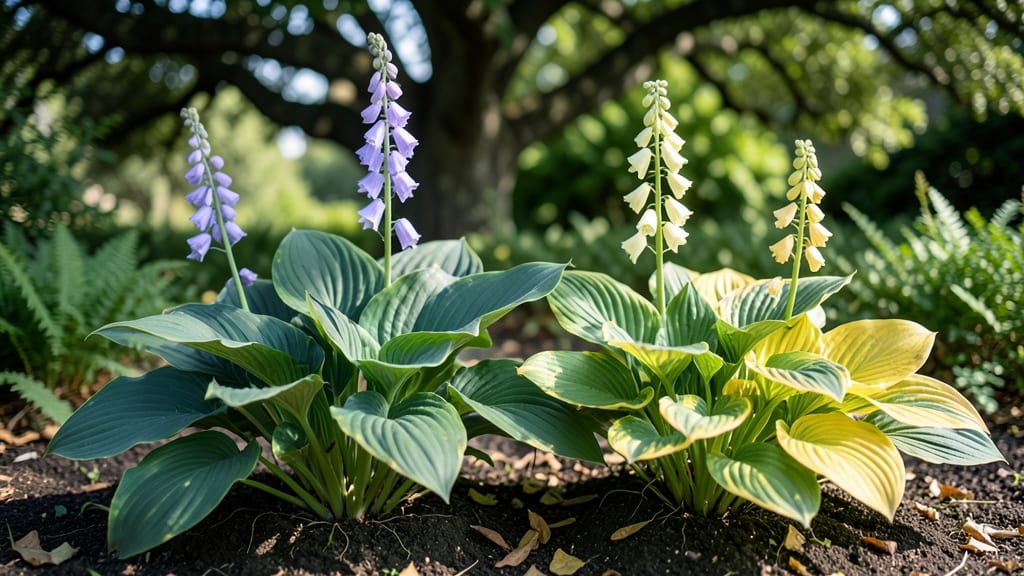
Hosta bloom colors range from soft lavender and pure white to rich purple and deep blue, with their intensity shifting dramatically based on seasonal temperatures. The cooler the weather, the more vibrant these hues appear, while extreme heat can cause them to fade or wash out entirely.
Hosta flowers are nature's mood rings, changing shades with the seasons. 🌿 The science behind this is fascinating: cooler temperatures trigger anthocyanin production, those pigments that give flowers their deep blues and purples. Meanwhile, heat stress can actually reduce chlorophyll, making lighter blooms appear even paler.
I've noticed this most dramatically in my garden's 'Blue Angel' hostas—their deep lavender blooms practically glow in spring mornings but lose some punch by mid-summer.
What's particularly exciting is how different varieties respond to these changes. Some hostas like 'June' maintain their crisp white blooms even in heat, while others like 'Patriot' develop a stunning lavender-blue hue that deepens as fall approaches.
The key to preserving those vibrant colors? Consistent moisture and afternoon shade during peak summer months.
💡 In This Article
- How Temperature Shifts Alter Hosta Flower Colors
- Best Hosta Varieties for Vibrant Bloom Colors
How temperature shifts alter hosta flower colors
The science behind hosta bloom colors lies in plant physiology, particularly how temperature affects pigment production. Anthocyanins—those vibrant pigments responsible for blues, purples, and deep lavenders—become more concentrated when nights stay cool (60-68°F) and days are mild (75°F).
This is why hostas like 'Halcyon' often appear more intensely colored in spring or fall. The cooler temperatures slow chlorophyll breakdown, allowing anthocyanins to dominate the flower's appearance. 🌿
Heat stress above 85°F triggers a different response: chlorophyll production increases while anthocyanin synthesis slows down. This explains why 'Guacamole's' creamy white blooms may look paler in summer—they're essentially "diluted" by excess chlorophyll. The same process causes some purple varieties to shift toward greenish hues when exposed to prolonged heat.
Think of it like a color spectrum where heat pushes flowers toward the green end while cool weather enhances their true pigmentation.
Light intensity plays a supporting role too. Bright sunlight during hot days can cause flowers to bleach slightly, while dappled shade preserves their vibrancy. I've observed that hostas planted under 30-50% shade maintain their color better than those in full sun during summer.
The combination of moderate shade and consistent moisture creates ideal conditions for anthocyanin preservation—something gardeners can control through strategic planting.
Seasonal changes create dramatic transformations. In early summer, when temperatures first rise, you might notice hosta blooms appearing more vibrant than they will later in the season. This is because the plant hasn't yet experienced prolonged heat stress.
By mid-summer, many varieties show noticeable fading—sometimes up to 30% loss in pigment intensity—before potentially rebounding in fall as temperatures drop again.
Here's what's happening at the cellular level: cooler temperatures increase sugar accumulation in flower tissues, which enhances anthocyanin production. Heat, conversely, accelerates respiration rates, diverting energy away from pigment synthesis.
This biological response explains why some hosta varieties have evolved to bloom earlier in the season—timing their flowering period to coincide with more favorable temperatures for color expression. 💫
For gardeners, this means timing is everything. Planting heat-sensitive varieties in locations that receive afternoon shade can extend their vibrant display by 4-6 weeks compared to full-sun positions.
The right microclimate can make all the difference between a hosta that fades to a dull brownish-purple and one that maintains its striking original color throughout the growing season.