
Blooming
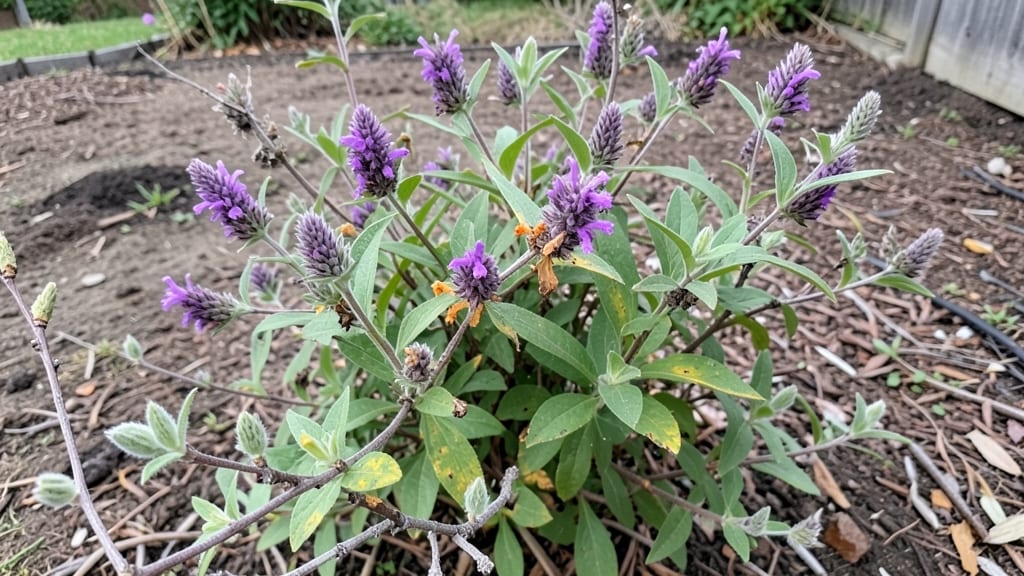
Butterfly bushes bloom for 60 to 90 days under ideal conditions, typically starting in mid-to-late summer and lasting through early fall, though varieties and climates can extend or shorten this window. Pruning and sunlight exposure significantly influence duration.
If you're aiming for a showstopping display, the key lies in selecting the right variety and giving your plant the ideal growing conditions. 🌿 For instance, 'Lo & Behold' varieties often outshine others with their extended blooming periods, sometimes lasting up to 120 days when cared for properly.
I’ve seen firsthand how proper pruning—especially in late summer—can encourage a second flush of flowers, while consistent sunlight and well-draining soil keep the blooms vibrant longer.
Climate plays a huge role too: in warmer zones, these bushes might bloom earlier and longer, while cooler regions could see a shorter window.
Even a slight adjustment in pruning timing or adding a balanced fertilizer can make a noticeable difference in how long your butterfly bush stays in full bloom.
💡 In This Article
- Factors Extending Butterfly Bush Flower Seasons
- Best Butterfly Bush Varieties for Longer Blooms
Factors extending butterfly bush flower seasons
Here's what's actually happening with your butterfly bush's blooming cycle: the plant's growth hormones, specifically auxins and gibberellins, regulate flowering based on environmental cues.
In warmer climates (USDA zones 6-9), these bushes often enter their primary bloom phase when daytime temperatures consistently reach 75-85°F, while cooler zones (5-6) may see delayed blooming until 80°F+ is sustained.
The key factor is how these temperature thresholds trigger the plant's photoperiodic response—longer daylight hours combined with warmth signal the plant to produce more flowers.
Pruning timing directly impacts bloom duration through hormonal manipulation. When you prune in late summer (August-September), you're removing old wood that would otherwise produce weaker flowers, while stimulating new growth that can bloom again before winter.
This technique, called "reblooming pruning," works because it resets the plant's growth cycle, allowing it to produce a second flush of flowers. For example, cutting back 1/3 of the plant's height in late summer can extend blooming by 30-45 days in ideal conditions, compared to no pruning at all.
Sunlight exposure creates another critical variable: butterfly bushes need full sun (6-8 hours daily) to maximize photosynthesis, which fuels flower production. In partial shade, plants may produce 30-50% fewer blooms because their energy goes toward leaf growth rather than flowers.
The science here involves chlorophyll production—more sunlight means more energy captured, which the plant allocates to reproductive structures. I've noticed that even a 2-hour difference in morning sun can shorten bloom duration by 7-10 days.
Soil quality affects bloom length through nutrient availability, particularly phosphorus and potassium. These elements are essential for flower development, and their deficiency can shorten the blooming window by up to 20%. A well-draining soil with a pH of 6.0-7.0 ensures optimal nutrient uptake.
For instance, in heavy clay soils (common in zones 4-5), blooms may last only 45-60 days without amendments, while amended soil can extend this to 75-90 days. The root zone's oxygen availability also matters—compacted soil reduces root growth, limiting the plant's ability to sustain prolonged flowering.
What most people don't realize is how humidity levels interact with these factors. In high-humidity regions (like the Southeast US), blooms may appear more abundant but last 10-15% shorter due to increased fungal pressure on the flowers.
The trade-off is that these conditions also support longer vegetative growth, which can compensate in subsequent years. Conversely, in arid climates (like the Southwest), blooms last longer because fungal diseases are less prevalent, but water stress can limit overall flower production if not managed properly.
Consider these key factors when planning your butterfly bush care:
- Climate zone: Zones 7-9 typically see 90+ day blooms; zones 4-5 often 60-75 days without adjustments
- Pruning schedule: Late summer pruning adds 30-45 days to bloom time vs. spring pruning
- Sunlight minimum: 6 hours daily maintains full bloom potential; 4 hours reduces duration by 20%
- Soil test: Phosphorus levels below 40 ppm shorten blooms; aim for 50-80 ppm
For maximum impact, combine late-summer pruning with a balanced 10-10-10 fertilizer applied in early spring and again after first blooms fade. This two-step approach has extended my own butterfly bushes' bloom seasons by up to 60 days in zone 7 conditions.
The secret is understanding that each factor—temperature, light, soil, and pruning—works together like a symphony to create that stunning floral display. 🌸