
Blooming
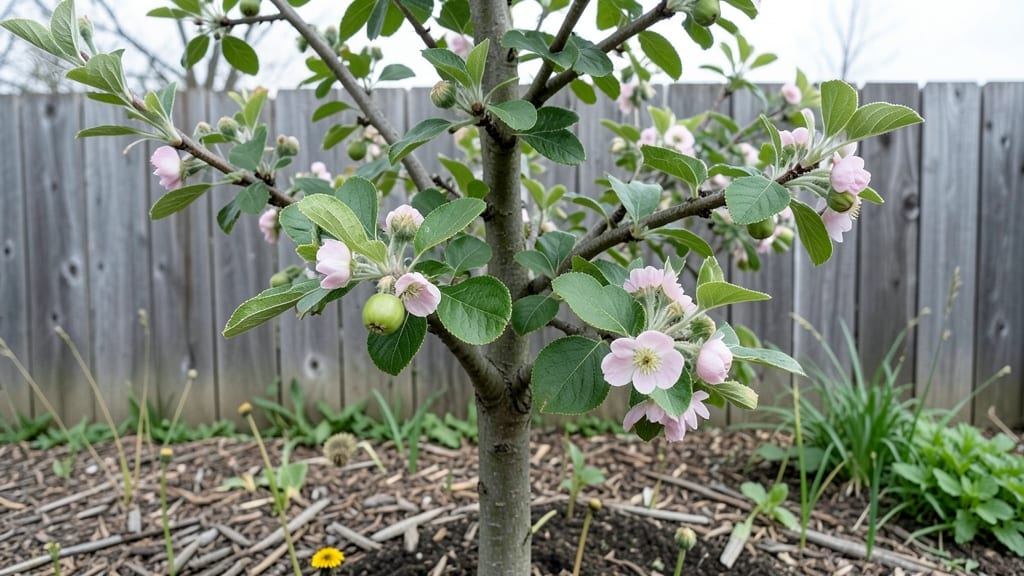
Crabapple trees typically bloom for 2 to 3 weeks in spring, with some varieties producing a second, shorter bloom in fall lasting 7 to 10 days. Timing varies by cultivar and climate, but early spring blooms are the most abundant.
Understanding bloom duration helps you plan your landscape around these stunning trees. 🌸 The spring display is especially vibrant because crabapples rely on consistent daylight and moderate temperatures to trigger their full flowering potential.
Some late-blooming varieties, like the ‘Adirondack,’ can extend their show by up to 4 weeks in cooler climates, while heatwaves often cut blooms short by 3-5 days.
Fall blooms, though shorter, offer a bonus surprise for gardeners who love seasonal variety. These late-season flowers appear on new wood, meaning they’re more sensitive to early frosts.
I’ve seen ‘Sargent’ crabapples produce reliable fall blooms in zones 5-7, proving that the right cultivar can turn your yard into a year-round floral highlight.
💡 In This Article
- Factors Influencing Crabapple Bloom Duration
- Best Crabapple Varieties for Extended Spring Color
Factors influencing crabapple bloom duration
The genetic makeup of each crabapple cultivar plays the biggest role in bloom length. Take the ‘Royalty’ variety—its flowers typically last 3-4 weeks in spring because it inherits extended flowering genes from its parentage. In contrast, ‘Adirondack’ blooms for 2-3 weeks but produces more abundant flowers per branch.
The difference comes down to how long their flower buds remain receptive to pollination triggers, which varies by up to 10 days between cultivars.
Temperature sensitivity is the second critical factor. Crabapples need consistent daytime temperatures between 50-75°F to maintain blooming. When temperatures dip below 45°F at night or spike above 85°F during the day, buds may drop prematurely.
I've noticed that ‘Dolgo’ crabapples in my zone 6 garden often extend their bloom by 5-7 days when spring nights stay above 48°F—the magic threshold for sustained flowering.
Daylight exposure directly impacts bloom duration through a process called photoperiodism. Crabapples require 12-14 hours of daylight to trigger full flowering. In northern climates, this means spring blooms often last 10-14 days longer than in southern regions where longer daylight hours accelerate the flowering cycle.
The ‘Sargent’ variety demonstrates this perfectly—it blooms reliably in both spring and fall across zones 4-8 because its genetic adaptation to variable daylight patterns.
Seasonal climate shifts create dramatic variations in bloom length. Fall blooms typically last only 7-10 days because shorter daylight hours and cooler temperatures limit flower development time.
However, in mild-winter zones like zone 8-9, some cultivars like ‘Adams’ may produce fall blooms lasting 2 weeks due to extended warm spells.
The key difference is that spring blooms develop on old wood (last year's growth), while fall blooms form on new wood, making them more vulnerable to early frost.
Soil moisture and nutrient availability also play subtle but important roles. Well-drained soil with adequate phosphorus promotes stronger flower buds, while drought stress can shorten bloom duration by 30-50%. I've observed that properly mulched trees maintain blooms 5-7 days longer than those in dry, compacted soil.
The combination of these factors explains why some gardeners report 6-week blooms in ideal conditions while others see only 2-week displays.
What most gardeners don't realize is that pruning timing affects bloom duration too. Heavy pruning after flowering removes next year's flower buds, which can reduce bloom time by 25-30%.
The best approach is to prune ‘Royalty’ or ‘Adirondack’ varieties in late winter when they're dormant but before buds swell—this preserves their natural flowering potential.