
Blooming
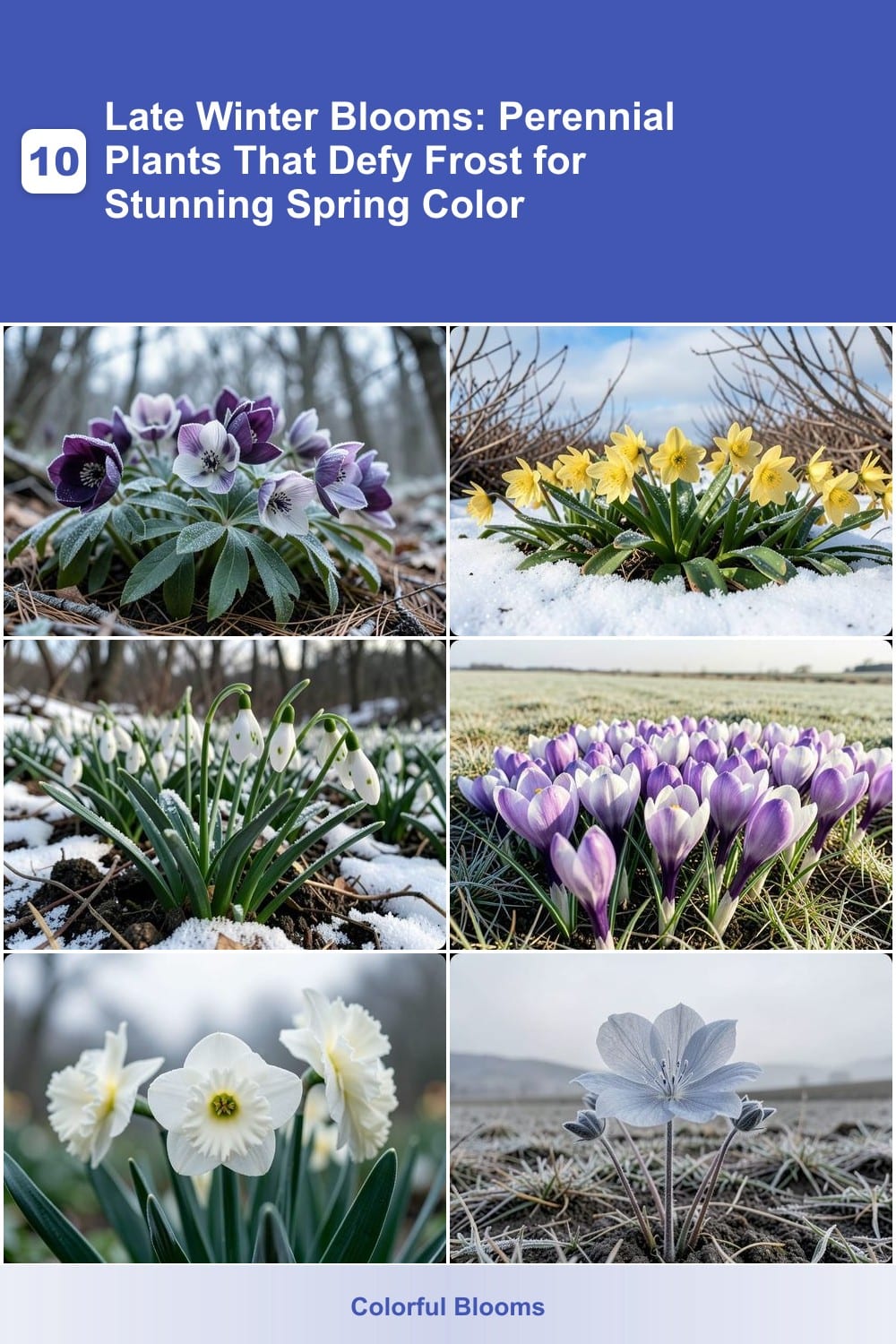
Late winter can feel colorless, but these hardy perennials prove spring arrives early. Discover 10 frost-resistant blooms that thrive when most gardens sleep, offering vibrant color and pollinator support before summer even begins.
Hellebore Crown Jewel Series
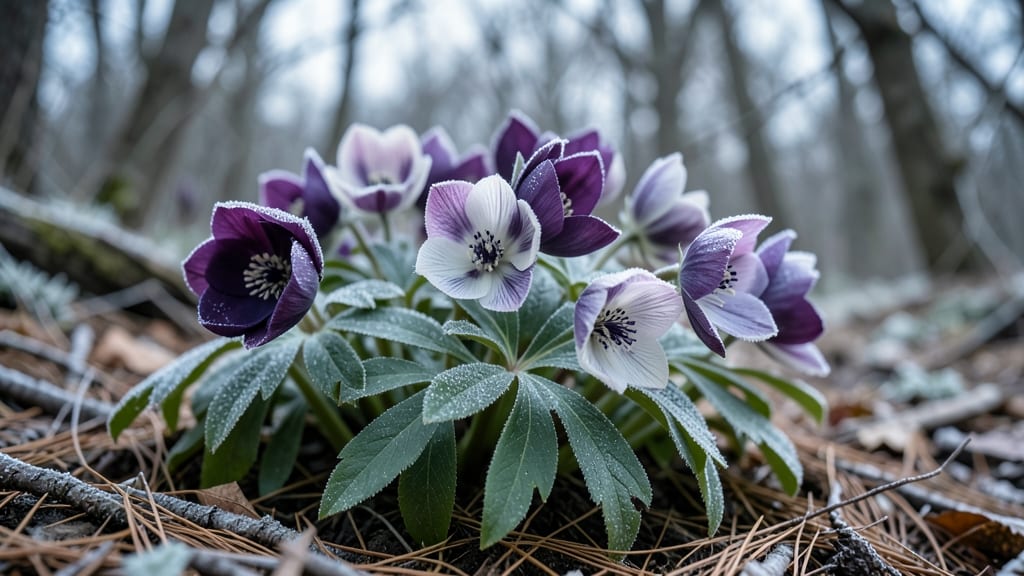
If your garden feels like a winter monochrome, Hellebore Crown Jewel Series is your secret weapon for year-round interest. These shade-loving evergreens produce delicate, nodding blooms in deep purple and white from December through April, defying frost with ease.
Thriving in woodland gardens or under trees, they require minimal care—just well-draining soil and occasional watering once established. Their early nectar supports pollinators like bees, making them a hero for wildlife. Varieties like 'Ruby Slippers' and 'Pink Frost' add drama with velvety petals that stand out against frost-kissed leaves.
Perfect for beginners or busy gardeners, these hellebores bring color without fuss. Plant them now for a low-maintenance splash of winter cheer. ✨
Winter Aconite Eranthis Hyemalis
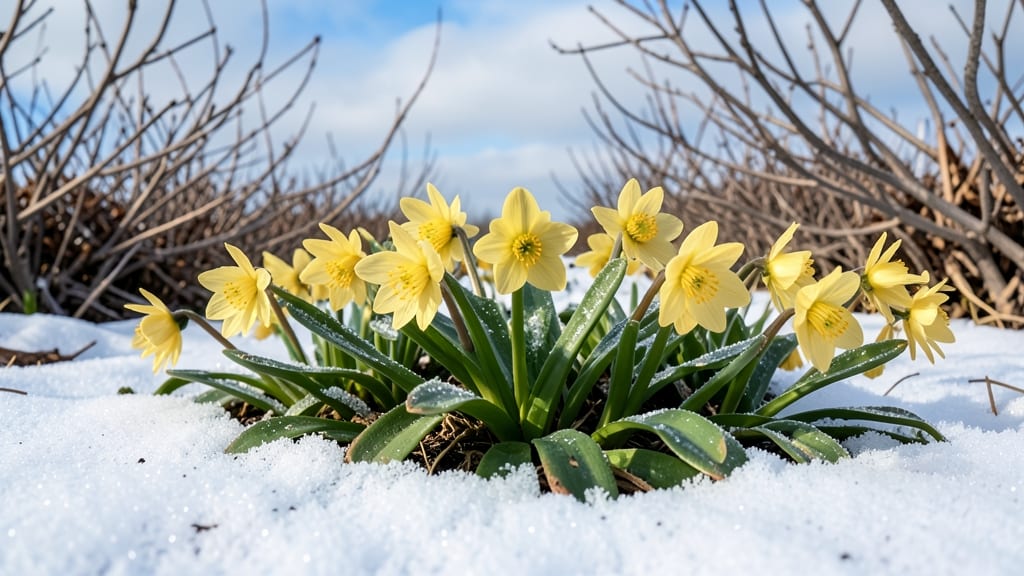
Imagine tiny suns popping through snow—Winter Aconite (Eranthis hyemalis) brings this magical sight to sunny borders and containers. These golden cup-shaped flowers appear as early as January, often while snow still lingers, offering bees their first nectar source of the year.
Thriving in full sun to partial shade, they’re happiest in well-draining soil and tolerate both containers and garden beds. Their basal rosettes stay green year-round, making them a low-maintenance star for pollinators. Just avoid soggy soil—they’ll sulk if their roots get waterlogged.
Perfect for urban gardeners or small spaces, these cheerful blooms add instant color without needing much room. Plant them now for a snow-defying surprise next winter! 🌻
Snowdrops Galanthus Elwesii
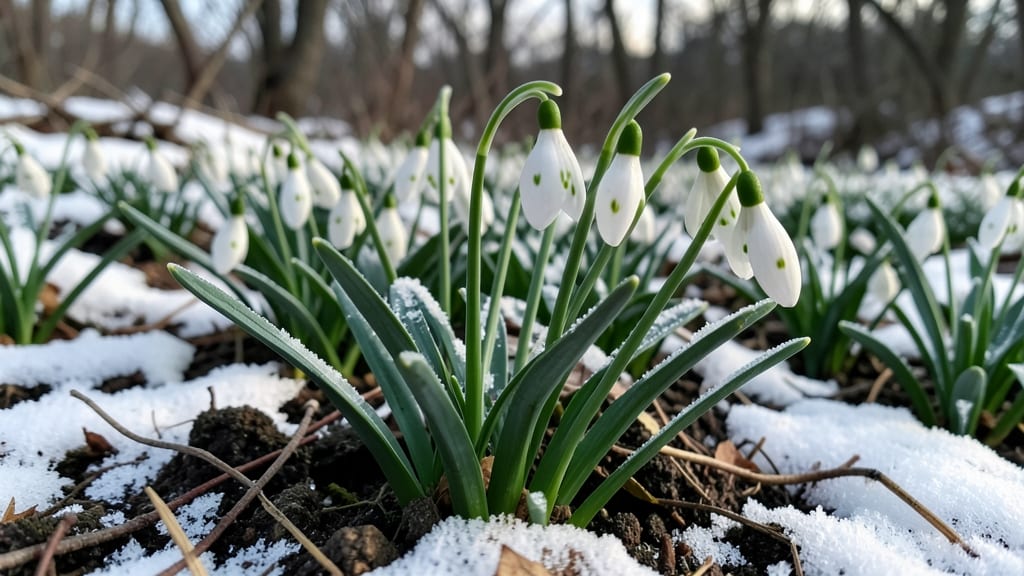
If you crave dramatic winter drama, Galanthus elwesii delivers with its ghostly white blooms that push through snow like nature's own confetti. This legendary British snowdrop thrives in late winter's chill, often flowering as early as January, and multiplies effortlessly to create naturalizing drifts.
Unlike its smaller cousin, this variety grows to 12-18 inches tall, making it perfect for cottage garden borders or as a focal point in formal landscapes. Plant bulbs in fall in well-draining soil with partial shade, and they'll reward you with year-after-year blooms that appear before most gardens wake up. Their delicate green markings add subtle contrast to winter's monochrome palette.
Ideal for gardeners who love low-maintenance elegance, these snowdrops naturalize beautifully while supporting early pollinators. Their ability to bloom under snow makes them a true winter wonder for any garden style. 🌷
Crocus Vernus Dutch Master
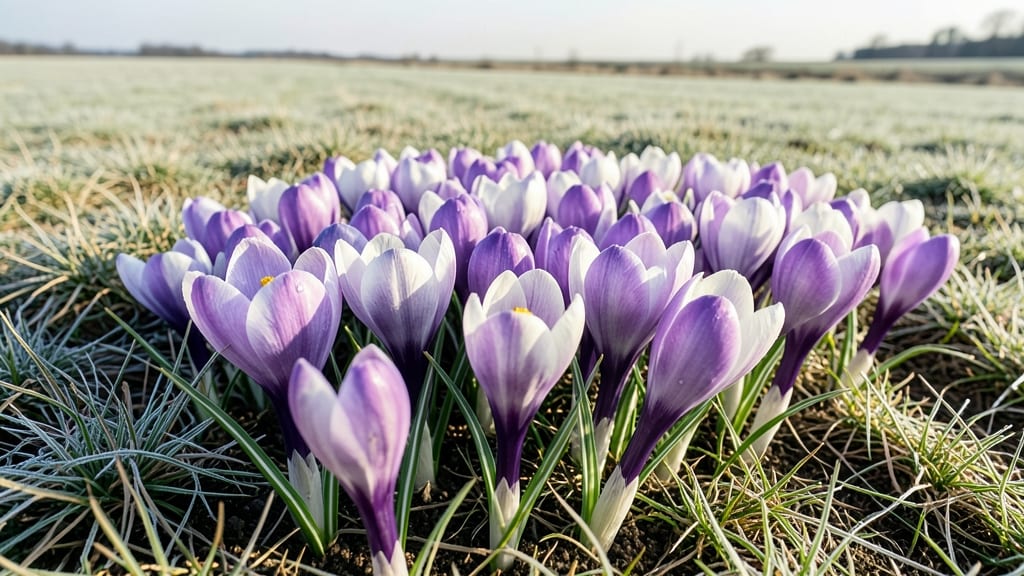
Tired of patchy lawns in early spring? The Crocus Vernus Dutch Master transforms dull winter grass into a sea of bicolor purple-and-white blooms that naturalize effortlessly. Unlike other crocuses, this hybrid produces striking two-toned flowers that emerge reliably year after year with almost no care.
Plant the corms in fall (4-6 inches deep) in full sun to partial shade, and they’ll reward you with blooms as early as February. Their self-seeding habit creates dense colonies over time, making them perfect for meadows, lawn edges, or even containers. Deer tend to avoid them, and their drought-tolerant nature means they thrive even in dry spells.
Ideal for gardeners who want low-maintenance color without the fuss of annuals, Dutch Master crocuses bring instant spring cheer to any landscape. 🌷
Daffodil Ice Follies Series
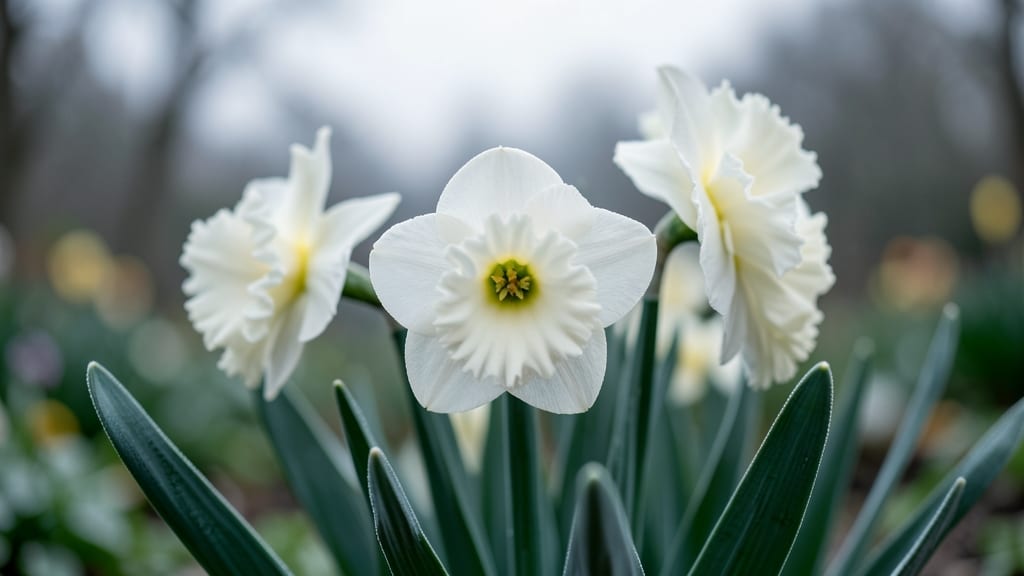
If you love cutting gardens but dread waiting for traditional daffodils, the Ice Follies Series delivers early-season elegance with its frilled, icy-white petals and pale yellow centers. These daffodils bloom 2-3 weeks earlier than classic varieties, offering fresh bouquets when most gardens are still dormant.
Plant bulbs in fall (6-8 inches deep) in full sun to partial shade, and they’ll reward you with ruffled blooms that stand out against frost-kissed landscapes. Their long stems make them ideal for vases, while their disease-resistant nature ensures reliable blooms year after year. Pair them with hellebores or snowdrops for a stunning early-spring display.
Perfect for cutting garden enthusiasts or anyone who wants low-fuss spring color, Ice Follies bring timeless charm without the fuss. 🌷
Pulsatilla Vulgaris Pasque Flower
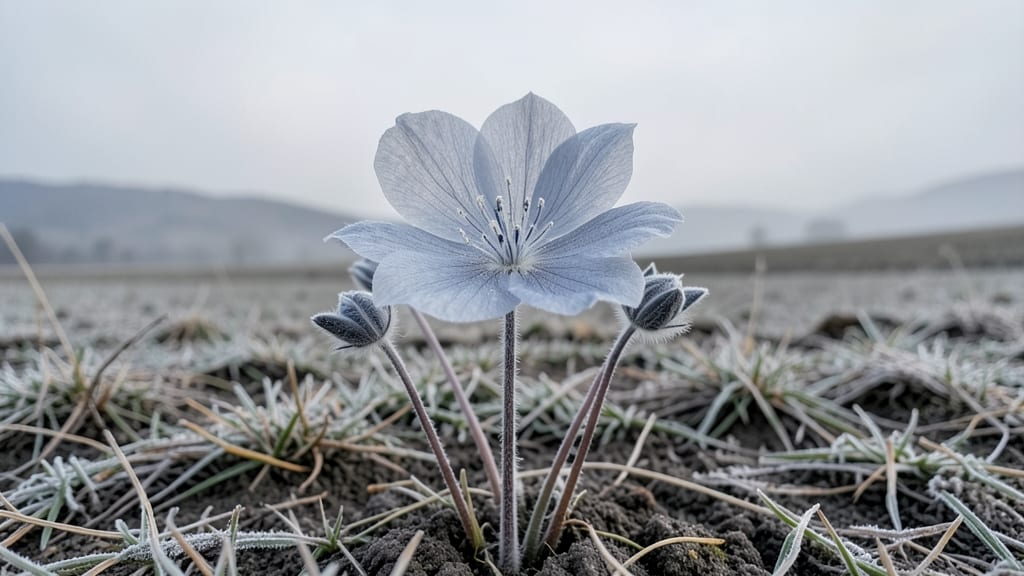
When most gardens are still asleep under frost, the Pasque flower (Pulsatilla vulgaris) emerges like a ghostly apparition with its silky blue-gray blooms. Unlike other late winter bloomers, its flowers appear before leaves unfurl, creating a dreamy, ethereal effect that feels straight out of a prairie landscape.
This hardy perennial thrives in poor, well-draining soil and full sun, making it ideal for drought-prone gardens or rocky outcrops where other plants struggle. Its unique cloud-like seed heads add texture long after blooming ends, while its deep roots prevent erosion. Plant in fall for spring blooms, and enjoy its dramatic presence with minimal care.
Perfect for prairie-style gardens or native plant enthusiasts, Pasque flowers bring a touch of wild beauty without the upkeep of high-maintenance perennials. 🌷
Lungwort Pulmonaria Officinalis
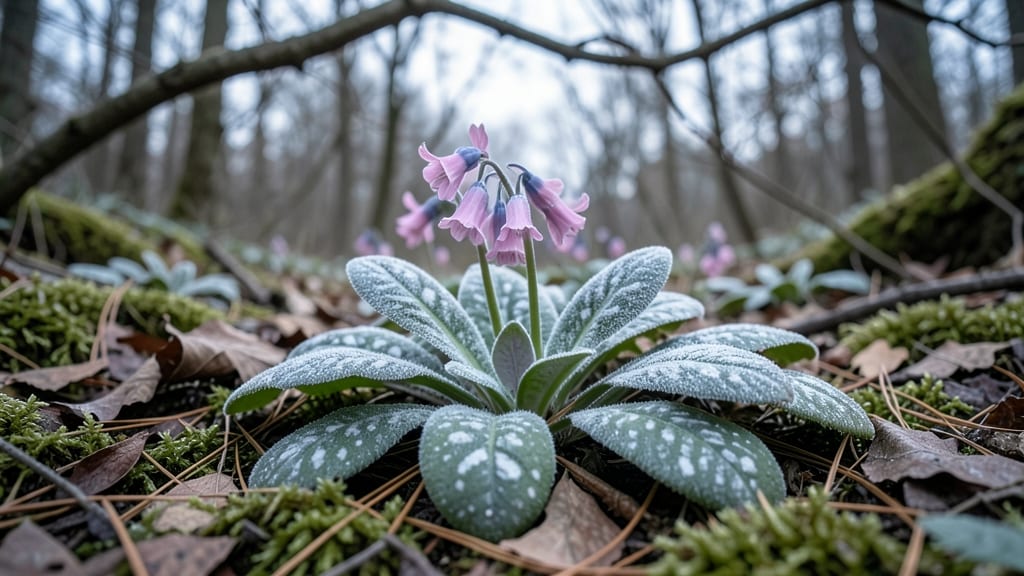
While other late winter bloomers steal the show with flowers, lungwort (Pulmonaria officinalis) wows with its foliage transformation—silver leaves that shift to spotted green as spring arrives. This shade-loving perennial delivers pink-blue flowers that appear in late winter, providing critical nectar for early bees when food is scarce.
Thriving in moist, well-draining soil under trees or shrubs, lungwort tolerates partial shade better than full sun, making it ideal for woodland gardens or north-facing beds. Varieties like 'Blue Mist' or 'Silver Spotted' offer contrasting textures, while their self-seeding habit ensures long-term presence. Simply divide clumps every few years to maintain vigor.
Perfect for gardeners who love low-maintenance foliage interest, lungwort adds year-round structure while supporting pollinators. Its unique color-changing leaves make it a standout in shade gardens where other plants struggle. 💚
Fritillary Imperialis Crown Imperial
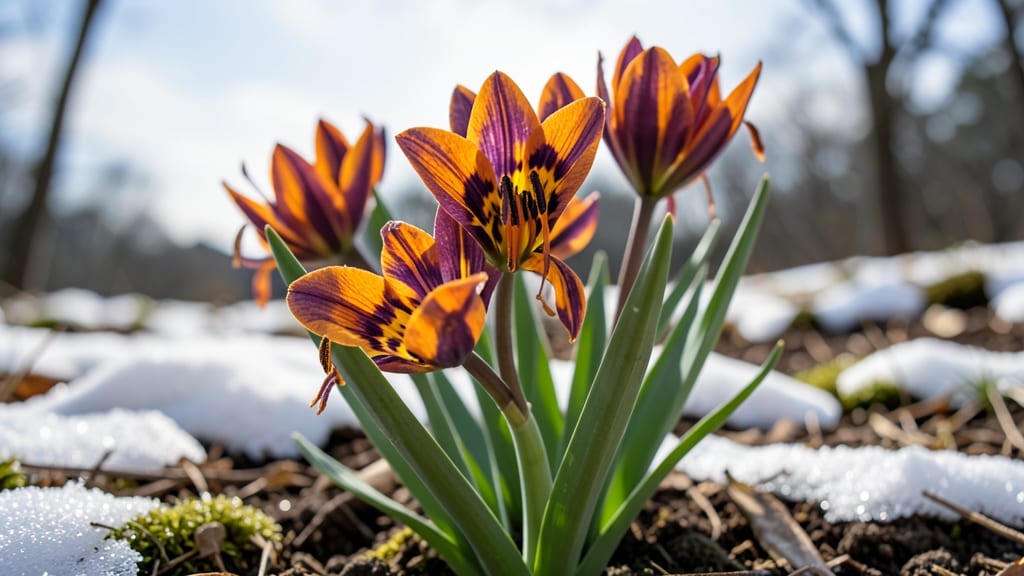
When you crave a bold splash of color that refuses to wait for spring, the Fritillary Imperialis—also called Crown Imperial—delivers with its checkered orange and purple blooms that emerge like fireworks after snow melt. This striking fritillary thrives in late winter's crisp air, offering drama that outshines most spring flowers.
Plant bulbs in full sun with well-draining soil in fall, and they’ll reward you with 3-foot-tall spikes of exotic blooms by March or April. Their scented flowers attract pollinators like bees and butterflies, while their sword-like foliage adds architectural interest. Though they’re not deer-resistant, their drought-tolerant nature makes them low-maintenance once established.
Perfect for cottage garden borders or pollinator pathways, Crown Imperials bring theater to late winter with minimal effort. Their unmistakable presence makes them a showstopper for gardeners who love dramatic, high-impact plants. 🌟
Primula Vulgaris Cowslip
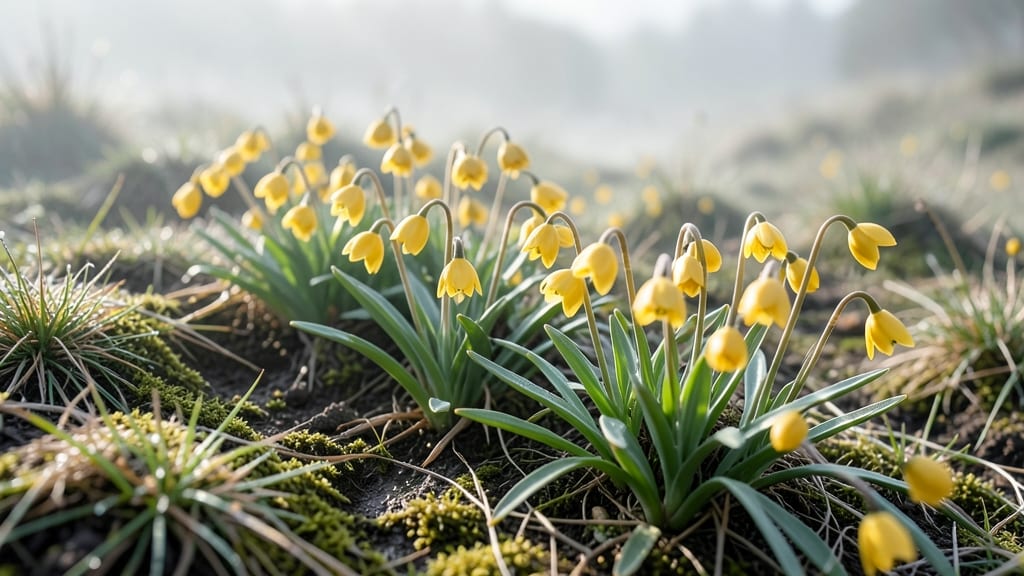
Skip the sterile spring blooms—Primula vulgaris, or cowslip, brings wild, golden-yellow charm straight from damp English meadows to your garden. These bell-shaped flowers nod gracefully on slender stems, creating a cottage-core dream that emerges as early as February when most gardens are still gray and brown.
Thriving in moist, well-draining soil and partial shade, cowslips are perfect for woodland edges, pond borders, or even containers with consistent moisture. Their early nectar fuels bees and butterflies before other pollinators wake up, making them a pollinator powerhouse. Deadhead spent blooms to encourage more flowers, and let the seed pods develop for natural self-seeding.
Ideal for gardeners who love low-maintenance wildflowers, cowslips add romantic texture without requiring formal garden beds. Plant them in drifts for a meadow-like effect that brightens late winter with effortless beauty. 🌻
Viola Cornuta Johnny Jump Ups
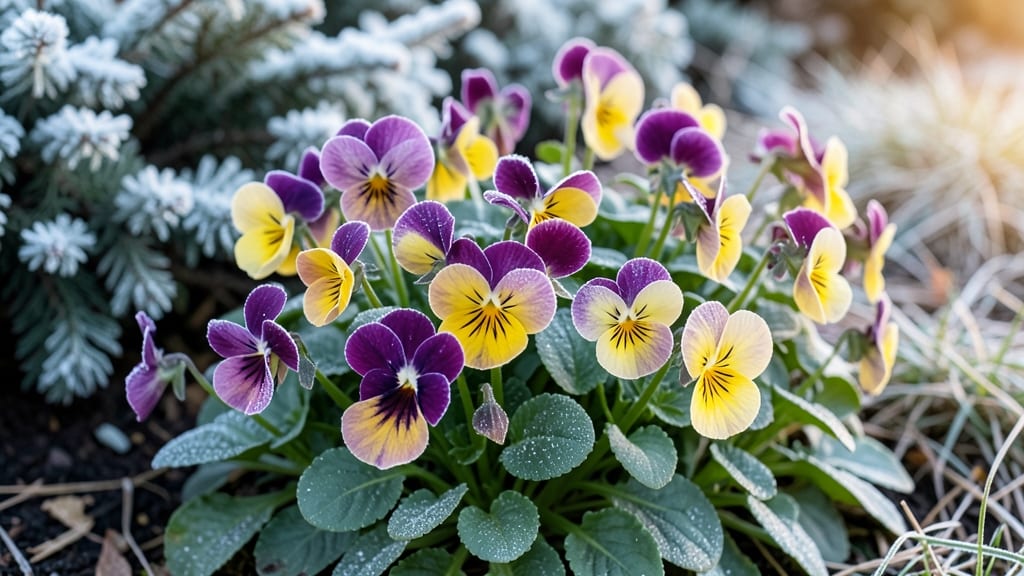
Looking for a year-round pop of color that doubles as edible garnish? Viola cornuta, or Johnny Jump Ups, delivers cheerful pansy-like blooms from late fall through spring—often even under light frost. These cold-hardy charmers thrive in USDA zones 4-9, making them perfect for gardeners in snowy climates who crave vibrant edges.
Plant them in well-draining soil with morning sun and afternoon shade for continuous blooms. Their edible flowers add peppery flavor to salads, while their compact size (6-12 inches tall) makes them ideal for containers, window boxes, or edging garden paths. Varieties like 'Bowles Black' or 'Sunburst' offer striking contrasts in purple, yellow, and white.
Urban gardeners and cottage-style enthusiasts will love how these low-maintenance perennials self-seed for naturalizing drifts. Plus, their early pollinator support makes them a bee-friendly hero when other flowers are still dormant. 🌿