
Blooming
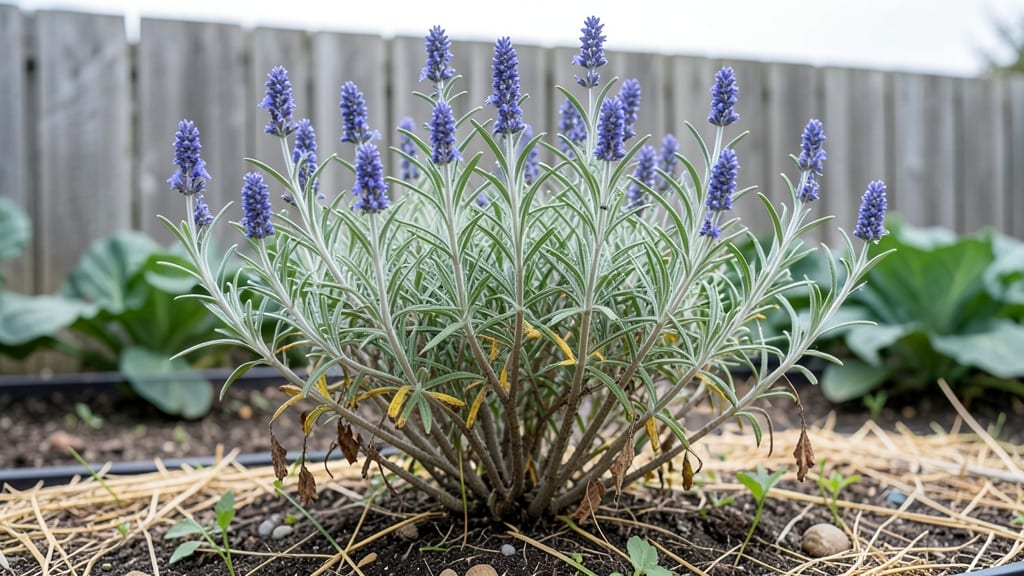
Salvia plants bloom for 2 to 8 weeks, depending on the variety—annuals like Salvia splendens typically flower 4-6 weeks, while perennials such as Salvia nemorosa extend blooms up to 8 weeks with proper deadheading. Peak flowering occurs mid-summer in most climates, but timing varies by species and regional growing conditions.
Salvia’s vibrant displays often feel fleeting, but with the right approach, you can coax them into lasting longer. 🌿 For example, Salvia leucantha—commonly called Mexican bush sage—can surprise gardeners by reblooming in fall if you trim back spent flowers early.
The key lies in understanding each variety’s natural rhythm: while annuals like Salvia coccinea may only shine for 4-5 weeks, perennials like Salvia officinalis (culinary sage) can reward patience with staggered blooms if you remove faded stems consistently.
What’s fascinating is how regional growing conditions play a role—salvias in cooler climates might bloom later but extend their season, while those in hot zones could fade faster without afternoon shade.
I’ve noticed that even a 10% increase in humidity can make a difference, especially for drought-sensitive varieties like Salvia microphylla. The trick is matching care to the plant’s native habitat, whether that’s Mediterranean dryness or woodland understory conditions.
💡 In This Article
- Factors Affecting Salvia Bloom Duration
- Extending Salvia Blooms Through Pruning and Care
Factors affecting Salvia bloom duration
Here's what's actually happening with salvia blooms: their flowering cycles are controlled by a combination of photoperiodism (daylight sensitivity) and thermoperiodism (temperature fluctuations). Annual varieties like Salvia splendens trigger blooming when they detect 12-14 hours of daylight, which typically occurs in late spring.
In contrast, perennials such as Salvia nemorosa often require two years to establish strong root systems before their first major bloom—this explains why they sometimes flower later but last longer.
The science behind this involves flowering hormones called florigen, which are produced in response to specific light and temperature cues. For example, Salvia leucantha (Mexican bush sage) needs consistent daytime temperatures above 75°F to initiate flowering, while Salvia officinalis (culinary sage) thrives in cooler 60-70°F ranges.
What most people don't realize is that sudden temperature drops below 50°F can shock the plant and shorten bloom cycles dramatically—this is why gardeners in Zone 5 often see shorter displays than those in Zone 8.
Light exposure plays a critical role too. Salvias native to Mediterranean climates (like Salvia rosmarinus) actually prefer bright, direct sunlight for 6-8 hours daily, while woodland varieties (such as Salvia lyallii) tolerate partial shade.
The key factor is matching light conditions to the plant's natural habitat—over-shading can lead to leggy growth and fewer blooms, while too much intense afternoon sun in hot climates can cause flowers to wilt faster.
Consider these regional variations when planning your garden: in the Pacific Northwest, Salvia nemorosa often blooms from late June to September due to cooler summers, while in the Southwest, the same variety might peak in May and October to avoid summer heat stress.
Early-season bloomers like Salvia coccinea (scarlet sage) typically appear in April-May, while late-season varieties such as Salvia microphylla (autumn sage) shine from August through October.
What makes salvia blooms particularly fascinating is their staggered flowering mechanism. Many varieties produce flowers along their stems in a sequential pattern—older blooms at the bottom and newer ones at the top.
This means you can often extend the display by simply removing spent flowers from the lower stems, allowing the plant to focus energy on the upper blooms. The trade-off? Heavy deadheading can sometimes trigger a second flush of flowers, but only if the plant has enough stored energy.
For container gardeners, bloom duration often depends on root space and moisture retention. Salvias in 5-gallon pots typically bloom 2-3 weeks shorter than in-ground plants because their roots can't access as much water and nutrients. The solution?
Choose compact varieties like Salvia 'May Night' for containers and ensure they get consistent moisture during flowering