
Blooming
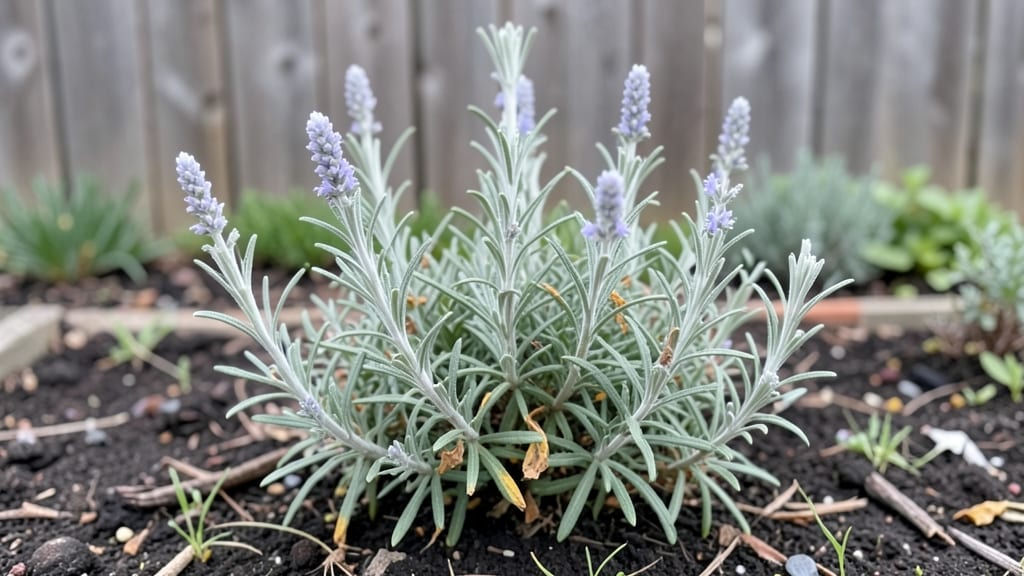
Rosemary plants bloom in late spring to early summer, typically between May and July, though timing depends on climate, variety, and pruning habits. Hardy types may produce sporadic flowers year-round in mild regions.
Understanding when rosemary blooms helps you time your garden tasks better. 🌿 The Mediterranean climate where rosemary originated plays a big role—warmer regions often see flowers as early as April, while cooler zones may wait until June or even delay until late summer.
Varieties like Tuscan Blue tend to bloom earlier than Arp or Blue Spires, which can be more finicky about temperature shifts.
What’s fascinating is how pruning habits affect flowering—over-pruning can delay blooms, while strategic trimming in early spring encourages stronger growth and more abundant flowers later. I’ve found that well-drained soil and minimal watering (rosemary hates soggy roots) actually trigger more frequent blooming, especially in drought-tolerant varieties.
💡 In This Article
- Climate and Variety Factors Affecting Rosemary Blooms
- Encouraging Rosemary Flowers: Pruning and Care Tips
Climate and variety factors affecting rosemary blooms
Temperature acts as the primary trigger for rosemary blooming, with most varieties requiring consistent daytime temperatures above 60°F to initiate flowering. The Mediterranean climate—where rosemary evolved—provides ideal conditions: warm, dry summers with cool nights.
In cooler regions, blooms may be delayed until late spring or even summer, while tropical climates can produce flowers year-round. The key factor is the plant's internal photoperiod response, where longer daylight hours (14+ hours) signal the transition from vegetative growth to flowering.
Sunlight exposure directly impacts bloom timing, with rosemary thriving in full sun (6-8+ hours daily). Varieties like Tuscan Blue bloom earlier because they're bred for heat tolerance, while Arp (a more upright variety) often waits for stable warmth.
Drought tolerance plays a role too—rosemary's natural adaptation to arid conditions means it often blooms in response to water stress rather than excess moisture. In fact, overwatering can delay flowering by up to 3-4 weeks as the plant focuses on root health instead of reproductive growth.
Frost sensitivity varies dramatically between varieties. Blue Spires can handle light frosts (28°F) but may drop buds if exposed to prolonged cold, while Hill Hardy varieties bloom later in the season precisely because they're bred to withstand 20°F temperatures.
What most gardeners don't realize is that a single hard frost (25°F) can trigger dormant buds to open prematurely, resulting in sporadic blooms outside the typical season. This explains why rosemary in Zone 7 might flower in March but wait until July in Zone 5.
Here's what's actually happening at the cellular level: Rosemary flowers develop from axillary buds that form along the stems. When daytime temperatures exceed 70°F for 5+ consecutive days, the plant's gibberellin hormones surge, prompting bud formation.
The drought-tolerant varieties like Prostratus have evolved to produce flowers even with 30% less water than their counterparts, making them ideal for xeriscaping. The aromatic oils in rosemary leaves also play a protective role—their strong scent deters pests that might otherwise damage developing buds.
Consider these key factors when choosing varieties for your climate:
- Warm climates (Zones 8-10): Expect blooms from February through October, with peak flowering in May-June. Tuscan Blue and Hill Hardy are excellent choices.
- Temperate zones (Zones 5-7): Blooms typically appear June-August, with Arp and Blue Spires being more reliable.
- Coastal regions: Mild winters may produce sporadic blooms year-round, but Blue Rain varieties often respond better to marine air.
The most dramatic blooming differences occur between upright varieties (like Arp) and trailing types (like Prostratus). Upright rosemary focuses its energy on vertical growth first, delaying blooms until the plant reaches 2-3 feet tall, while trailing varieties may flower within 6-12 months of planting.
This explains why container-grown rosemary often blooms earlier—limited root space forces the plant to prioritize reproductive growth over stem elongation.
What I've found in my own garden is that the first flush of rosemary flowers often appears when the soil temperature reaches 65°F at 4 inches deep. This is your best indicator for predicting bloom timing rather than air temperature alone.
For gardeners in transitional climates, planting near south-facing walls or using black plastic mulch can raise soil temperatures by 5-10°F, advancing blooms by 2-3 weeks. The scent of fresh rosemary flowers—sweet with herbal undertones—is a sure sign your plant is thriving in its ideal conditions. 💫