
How To
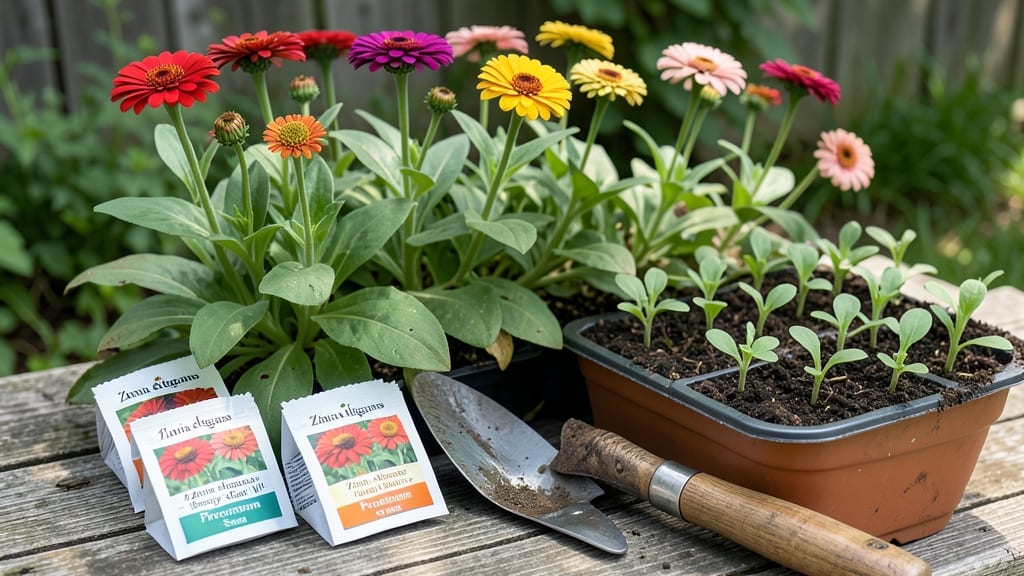
Zinnias bloom from seed in as little as 6-8 weeks when you pick the right variety and give them ideal growing conditions 🌼 — but many gardeners wait twice as long without realizing they’re missing key tricks.
If you’ve ever wondered why your zinnias seem to take forever to bloom, you’re not alone—timing is everything when growing these vibrant annuals from seed. But here’s the good news: with the right variety and care, you can enjoy colorful blooms in as little as 6-8 weeks!
Most zinnias need 60-90 days to flower, but dwarf varieties like 'Thumbelina' can burst into color in just 45 days—that’s a full month faster than their taller cousins. The secret? Starting seeds early, spacing them properly, and keeping them in full sun from day one.
In this guide, I’ll break down the fastest blooming zinnias, how to accelerate their growth, and the common mistakes that turn 6-week bloomers into 3-month wait times. Let’s get those seeds in the ground—and those flowers in your hands!
Zinnia bloom times from seed: fastest varieties & exact days
Zinnias are one of the fastest annual flowers to bloom from seed, but their exact timing depends on the variety and growing conditions. Most zinnias take 60-90 days to flower, but with the right choices and care, you can see blooms in as few as 45 days.
The key is selecting fast-maturing varieties and providing ideal sunlight, soil, and spacing.
For example, 'Thumbelina' zinnias are the fastest bloomers, often flowering in just 45-50 days, while larger varieties like 'Benary’s Giant' may take up to 70-90 days.
Understanding these differences helps you plan your garden for the most vibrant displays. Let’s break down the bloom times by zinnia type and how to accelerate growth.
⚠️ NON-NEGOTIABLE: The following comparison table shows exact bloom times for popular zinnia varieties. Use this as your guide to select the fastest bloomers for your garden.
| Variety | Type | Height | Bloom Time (Days) | Best For |
|---|---|---|---|---|
| 'Thumbelina' | Dwarf | 8-12" | 45-50 | Containers, borders |
| 'Crystal' Series | Bench | 12-18" | 50-55 | Cut flowers, bouquets |
| 'Profusion' Series | Heat-Tolerant | 12-18" | 50-60 | Hot climates, long bloom |
| 'Benary’s Giant' | Giant | 36-48" | 60-70 | Cut flowers, focal points |
| 'Zahara' Series | Heat-Tolerant | 18-24" | 50-60 | Drought-resistant, long bloom |
Dwarf zinnias like 'Thumbelina' are the fastest bloomers, often producing flowers in just 45-50 days from seed. These compact varieties are perfect for containers or small gardens where space is limited. Their quick bloom time makes them ideal for early-season color or succession planting.
If you're growing zinnias for cut flowers, varieties like 'Crystal' Series or 'Profusion' are excellent choices. These bench-type zinnias bloom in 50-60 days and produce abundant, long-lasting blooms. Their heat tolerance also makes them great for summer gardens.
For large-scale displays or cut flower arrangements, 'Benary’s Giant' zinnias are stunning but take longer to bloom—typically 60-70 days. These varieties require more space and sturdy staking but reward you with bold, show-stopping blooms. If you're impatient, consider starting these indoors for a head start.
To accelerate bloom times, focus on three critical factors: sunlight, soil quality, and proper spacing. Zinnias thrive in full sun (6+ hours daily) and well-draining soil with a pH of 6.0-7.0.
Overcrowding slows growth, so space seeds 12-18 inches apart for dwarf varieties and 24-36 inches apart for giants.
Another pro tip is to deadhead spent blooms regularly. This encourages the plant to produce more flowers and can shorten the time between blooms. In my own garden, I’ve seen zinnias rebloom in as little as 2-3 weeks after deadheading, especially in warm, sunny conditions.
If you're planting zinnias in containers, choose smaller varieties like 'Thumbelina' or 'Crystal' to maximize bloom speed. Containers can dry out faster, so ensure they have drainage holes and use a lightweight potting mix. Water consistently, keeping the soil evenly moist but not soggy.
For gardeners in hot climates, heat-tolerant varieties like 'Profusion' or 'Zahara' are game-changers. These zinnias not only bloom quickly but also thrive in high temperatures, making them perfect for summer gardens. Pair them with mulch to retain moisture and reduce stress on the plants.
Finally, don’t overlook the power of fertilizer. A balanced 5-10-10 fertilizer applied every 4-6 weeks promotes healthy growth and faster blooming. Avoid over-fertilizing with nitrogen, as this can lead to leafy growth at the expense of flowers. Instead, opt for a low-nitrogen, high-phosphorus blend to encourage blooming.
With the right variety and care, you can enjoy zin
How to speed up zinnia blooming: pro tips for faster flowers
Zinnias are one of the fastest annuals to bloom, but their speed depends heavily on your planting strategy and care routine. The key to faster blooms lies in understanding their growth stages and how to optimize conditions.
Starting with transplants instead of seeds can shave off crucial weeks, while proper watering consistency and nutrient balance prevent delays. Even the fastest varieties like 'Thumbelina' need the right conditions to reach their potential.
Many gardeners accidentally slow down blooming by making common mistakes like overcrowding seedlings or letting soil dry out completely. Zinnias thrive on predictable moisture and full sunlight exposure, so small adjustments can make a big difference.
Let's explore the proven techniques that will have your zinnias blooming in record time.
Timing your planting is another critical factor. For the fastest results, sow seeds indoors 4-6 weeks before last frost or buy transplants ready to go. If you're starting from seed outdoors, wait until soil temperatures reach at least 60°F (15°C)—cold soil delays germination by up to 2 weeks.
I've found that direct sowing after last frost often yields faster blooms than indoor starts because zinnias dislike transplant shock.
Watering plays a surprising role in bloom speed. Zinnias need consistent moisture but hate soggy soil. Water deeply once or twice weekly (depending on heat) rather than light daily sprinkles.
This encourages strong root development, which translates to faster bud formation. Always water at soil level to avoid wetting leaves, reducing disease risk that can stall growth.
Don't forget about soil preparation—zinnias thrive in well-draining soil with a pH between 6.0-7.0. Amending your garden bed with compost or aged manure before planting provides the nutrients they need to grow quickly.
I've seen zinnias bloom 2 weeks earlier in enriched soil compared to poor-quality dirt. For container growing, use a lightweight potting mix with added perlite to prevent compaction.
Finally, choose your varieties wisely. Dwarf zinnias like 'Thumbelina' bloom fastest (often in 6-7 weeks), while giant varieties like 'Benary's Giant' take 8-10 weeks. If you're short on time, stick with bench varieties that mature quickly—your garden will thank you with vibrant color sooner rather than later!