
Blooming
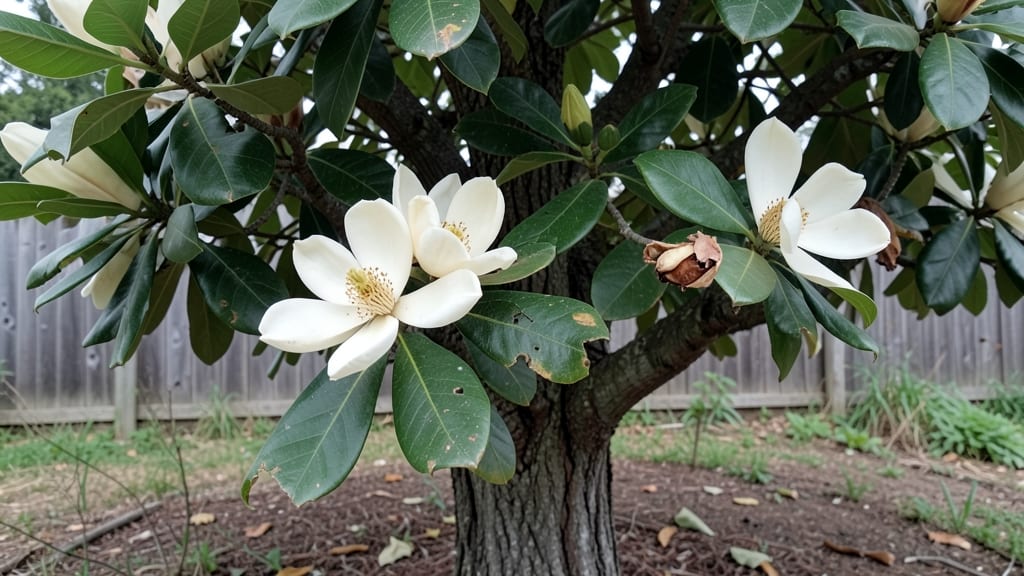
Magnolia trees bloom every 1-5 years depending on the species, with most flowering every 2-3 years for optimal health. Early bloomers like Magnolia stellata may flower annually, while larger varieties like Magnolia grandiflora bloom biennially or triennially. Proper care and seasonal conditions influence frequency and abundance.
Understanding a magnolia’s blooming rhythm starts with recognizing its life stage—young trees often delay flowering for 3-5 years while they focus on root and trunk growth. 🌸 Once mature, though, their cycles become more predictable, with Southern magnolias (grandiflora) typically blooming every 2-3 years in late spring, while deciduous varieties like Magnolia soulangeana may put on a show annually or biennially.
Climate plays a huge role too: colder zones (USDA 6) might see less frequent blooms compared to warmer regions (USDA 8-10), where trees can push through more vibrant displays.
What’s fascinating is how these trees "bank" energy—skipping a year’s blooms to store nutrients for bigger, showier flowers later. This strategy explains why some star magnolias (stellata) burst into color every year while others take longer breaks.
The key to encouraging more frequent blooms? Mimicking their natural conditions: acidic, well-draining soil, morning sun, and avoiding heavy pruning during their dormant season.
💡 In This Article
- Magnolia Bloom Cycles by Species and Growth Stage
- Tips to Encourage Faster or More Frequent Magnolia Blooms
Magnolia bloom cycles by species and growth stage
Here's what's actually happening beneath the surface: magnolia trees operate on a biological clock tied to their growth stage and species.
Juvenile trees prioritize root and trunk development, often delaying blooms for 3-7 years—this is nature's way of ensuring structural stability before reproductive efforts. 🌱 For example, a Magnolia grandiflora sapling might produce its first flowers at age 5, while a Magnolia stellata could bloom as early as year 3.
The difference stems from their native habitats: Southern evergreens grow slowly in cooler climates, while Japanese deciduous types evolve faster in milder zones.
The science behind bloom intervals involves energy allocation. Trees like Magnolia virginiana (sweetbay magnolia) allocate 20-30% of their annual energy to flowering when conditions are optimal, but this drops to 5-10% during drought years. This explains why some trees skip blooms entirely—it's a survival strategy to conserve resources.
Climate zones play a critical role: In USDA Zone 8, where winters average 25-35°F, Magnolia grandiflora typically blooms biennially, while in Zone 10 (mild winters), they may flower annually due to consistent growing conditions.
Let's break down the bloom patterns by category. Early bloomers like Magnolia stellata (star magnolia) produce 100-300 flowers per tree annually in late winter, while late-season varieties such as Magnolia liliiflora (lily magnolia) wait until May-June for their 50-150 flower displays.
The contrast between these species highlights how photoperiod (day length) triggers differ—star magnolias respond to shorter winter days, while lily magnolias need prolonged spring warmth. This timing divergence explains why you might see both types in bloom simultaneously in Zone 7 gardens.
What most people don't realize is how tree maturity affects bloom quality. A 20-year-old Magnolia grandiflora in Zone 9 will produce 3-5 times more flowers than a 10-year-old specimen, but the intervals may stretch to 3-4 years between heavy blooms.
This is because mature trees invest in larger, showier flowers rather than quantity. The trade-off? Their roots extend 3-5 feet deep, accessing water and nutrients that younger trees can't reach—this deep storage capacity lets them "bank" energy for spectacular displays.
Consider these key factors when evaluating bloom potential:
- Species type: Deciduous magnolias (like soulangeana) bloom more frequently than evergreens (like grandiflora)
- Climate zone: Zone 6 trees may bloom every 4-5 years vs. Zone 10 trees' annual displays
- Tree age: Peak flowering occurs at 15-30 years for most species
- Winter chilling: Requires 300-600 hours below 45°F for optimal blooming
The most reliable bloomers are hybrid varieties like Magnolia 'Elizabeth', which combines stellata and liliiflora traits to produce 200-400 flowers annually in March-April. These hybrids demonstrate how selective breeding can stabilize bloom cycles—something gardeners can leverage by choosing proven cultivars for their regions.
The takeaway? While magnolias follow natural rhythms, understanding these patterns lets you work with—not against—their biology for more predictable displays. ✨