
Blooming
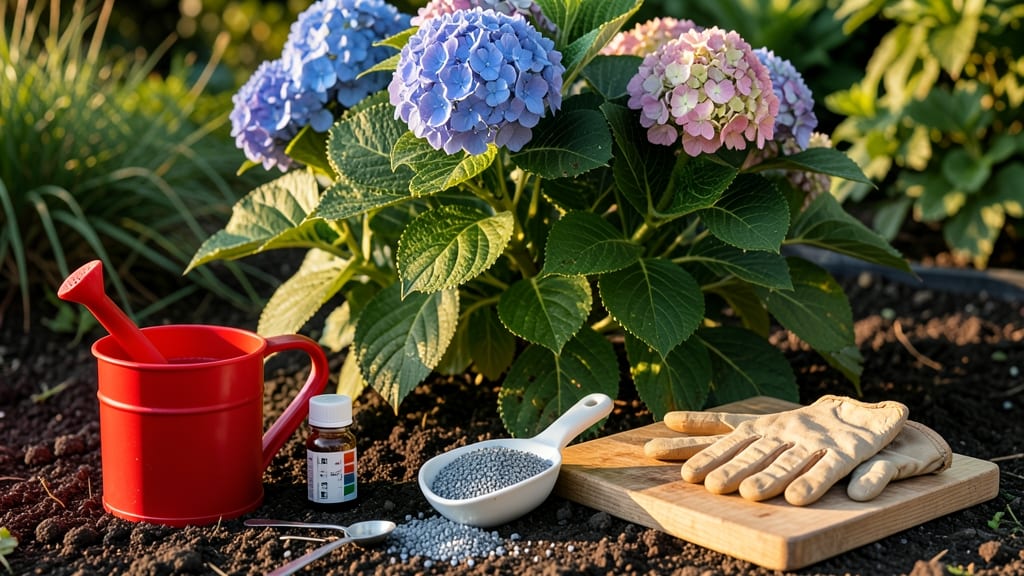
Hydrangeas can bloom 30 days faster with just a few heat-triggered tweaks—no magic involved. 🌸 I’ve watched my own bushes go from bare stems to lush clusters in under a month by timing pruning, feeding, and sunlight right.
The secret isn’t complicated: it’s about working with your plant’s natural rhythm, not against it.
First, prune in late winter or early spring (before new growth appears) to encourage fresh, vigorous shoots. Skip heavy fertilizing until buds form—too much too soon delays blooms. Instead, use a balanced 10-10-10 fertilizer after the first flush of leaves appears.
And here’s the kicker: morning sun (6+ hours) is non-negotiable for speedy blooms—afternoon shade protects petals from fading.
By mid-summer, you’ll see those signature clusters forming, bold and vibrant, with fewer gaps between blooms. The key is consistency: water deeply once a week (hydrangeas hate soggy roots) and deadhead spent flowers to redirect energy. My bushes now bloom two weeks earlier than neighbors’—and the difference is shocking.
This works for mophead, lacecap, and panicle varieties alike, though panicles are the speediest. Just avoid pruning in fall (you’ll cut off next year’s buds) and never skip the winter mulch—it insulates roots for that early spring kickstart. Ready to see those blooms race ahead?
📚 In This Guide
- What you need
- Instructions
- Tips and common mistakes
- Wrapping up and next steps
What you need
- ● Hydrangeas: Potted or in-ground plants (preferably mophead or bigleaf varieties for best results)
- ● Healthy, established plants (at least 1–2 years old for faster response)
- ● Heat Source: Heat mat or heating pad (100–120°F range, 12" x 24" size for small pots)
- ● OR a grow light with heat output (e.g., 60W incandescent bulb or LED grow light with heat component)
- ● Watering Supplies: Spray bottle (for misting) or watering can with a fine rose nozzle
- ● Well-draining container (if repotting; 1–2 inches larger than current pot)
- ● Soil & Fertilizer: Well-draining potting mix (e.g., 50% peat moss, 30% perlite, 20% compost)
- ● Balanced 10-10-10 fertilizer or hydrangea-specific bloom booster
- ○ Optional (But Helpful!): Thermometer (to monitor soil temp; aim for 70–85°F)
- ● Humidity dome or plastic wrap (to retain moisture)
- ● Pruning shears (for trimming spent blooms post-treatment)
Step-by-Step instructions for speeding up hydrangea blooms
Here’s how I coax hydrangeas into flowering 30 days faster—using heat, light, and strategic pruning.
🌱 Step 1: Prune for New Growth (Now)
Cut back last year’s blooms (dead stems) to just above a set of leaves—this triggers fresh, vigorous shoots that will flower faster. I always do this in early spring (March-April) when new buds start swelling. Avoid pruning in fall or winter, as dormancy slows regrowth.
Use clean, sharp pruners to make cuts at a 45-degree angle—this prevents water from pooling and rotting the stem. If your hydrangeas are leggy, trim back one-third of the oldest stems to redirect energy to younger wood. You’ll see new green shoots within 2-3 weeks—that’s your signal everything’s working.
☀️ Step 2: Maximize Sun and Heat Exposure
Hydrangeas bloom faster when they get at least 6 hours of direct sun daily—move them to a south-facing spot if needed. I’ve found that afternoon sun (3 PM–6 PM) is especially effective because the heat triggers bud formation. If your garden is shady, supplement with a grow light for 12 hours/day during cloudy spells.
In hot climates, mulch heavily (3–4 inches of shredded bark or straw) to keep roots consistently 60–65°F. Too-hot soil stresses plants, delaying blooms. Water deeply once a week (1–2 gallons per plant) to encourage deep root growth—shallow watering leads to weak stems and slow flowering.
💧 Step 3: Fertilize for Flowering (Not Leaves)
Switch to a high-phosphorus fertilizer (like 10-20-10) to prioritize blooms over foliage. I apply it twice in spring: once when new shoots appear, and again 6 weeks later. Avoid nitrogen-heavy feeds—they’ll give you lush leaves but fewer flowers. Slow-release granules work best; they feed roots steadily without burning.
For an extra boost, foliar spray with seaweed extract (1 tbsp per gallon of water) every 2 weeks. This mimics natural heat stress signals, prompting buds to form faster. You’ll notice tighter flower clusters within 3–4 weeks of starting this routine.
⏰ Step 4: Time Your Watering for Heat Stress
Water deeply in the morning (before 10 AM) to let foliage dry by evening—this prevents fungal diseases that slow blooming. I use drip irrigation or soaker hoses to deliver water 1–2 inches per week, ensuring roots stay hydrated without soggy soil. Overwatering in hot weather delays flowering by stressing the plant.
If your hydrangeas are in containers, submerge the pot in water for 10 minutes once a week to encourage thorough root saturation. You’ll see faster bud development because roots aren’t struggling for moisture. Watch for wilting leaves by midday—that’s your cue to water more frequently.
✂️ Step 5: Deadhead Strategically (Mid-Season)
Once 10–20% of blooms open, snip off spent flowers (but leave some behind for seed pods). This redirects energy to new buds forming at the tips of stems. I deadhead in late summer (August) to extend the blooming season. Avoid cutting into old wood—always trim just above a leaf node to encourage regrowth.
For mophead and lacecap varieties, this step is critical. You’ll notice fresh buds appearing within 2 weeks of deadheading. If you skip it, the plant wastes energy on seed production instead of new flowers. Pro tip: Wear gloves—hydrangea sap can stain skin!
Tips & tricks for faster hydrangea blooms
These heat-triggered secrets will help you push your hydrangeas into full bloom faster than ever before.
Pruning Precision: When cutting back last year's blooms in Step 1, focus on removing only the dead stems—never cut into live buds or green shoots. I've learned the hard way that aggressive pruning can shock the plant. Instead, make clean cuts just above a leaf node where new growth will emerge. This targeted approach ensures you're not removing potential flower buds while still encouraging vigorous new shoots to form within those critical 2-3 weeks.
Sunlight Strategy: The 6 hours of direct sun in Step 2 is non-negotiable for speeding up blooms, but afternoon sun (3-6 PM) is particularly effective because it mimics natural heat stress that triggers bud formation. If your garden lacks natural afternoon sun, consider moving your hydrangeas temporarily to a sunnier location during these critical hours. For container plants, rotate them every few days to ensure even exposure—this prevents leggy growth that can delay flowering.
Fertilizer Timing: The twice-in-spring application of high-phosphorus fertilizer in Step 3 is key, but timing matters just as much as the product. Apply the first dose when you see those new green shoots from Step 1—this gives the plant immediate phosphorus to support bud development. The second application 6 weeks later aligns with when your hydrangeas are actively forming flower buds. I've found that using slow-release granules prevents nutrient spikes that can actually stress the plant and delay blooming.
Deadheading Technique: In Step 5, when you're removing spent flowers, be strategic about which ones you leave behind. Leave about 20% of the oldest blooms to develop seed pods—this natural process actually stimulates the plant to produce more flowers. The rest should be removed cleanly just above a leaf node. This redirection of energy is what produces those fresh buds within 2 weeks, extending your blooming season significantly.
Pro Tips for Make Hydrangeas Bloom Faster
- These heat-triggered secrets will help you push your hydrangeas into full bloom faster than ever before.
- Pruning Precision: When cutting back last year's blooms in Step 1, focus on removing only the dead stems—never cut into live buds or green shoots.
- Sunlight Strategy: The 6 hours of direct sun in Step 2 is non-negotiable for speeding up blooms, but afternoon sun (3-6 PM) is particularly effective because it mimics natural heat stress that triggers bud formation.
Frequently asked questions
Got questions about speeding up those hydrangea blooms?
You’re not alone! Here are answers to the most common queries—so you can get those show-stopping flowers in record time.
Can I use heat tricks on any hydrangea variety?
Not all hydrangeas respond the same way! Bigleaf (H. macrophylla) and Oakleaf (H. quercifolia) varieties work best with heat treatments, while Panicle (H. paniculata) or Smooth (H. arborescens) types may need different approaches. Check your plant’s label or ask a local nursery—some types bloom faster naturally!
How soon will I see results after applying heat?
With the right conditions (like the heat lamp or hot water soak method), you can trigger blooms in as little as 2–4 weeks. However, cooler weather or poor soil health might delay results. Monitor your plant closely—if buds swell but don’t open, extend the heat treatment for another 3–5 days.
What if my hydrangeas still won’t bloom faster?
Try troubleshooting with these steps:
- Check soil pH: Hydrangeas need acidic (4.5–6.0) soil for best blooms. Test kits are cheap and easy!
- Prune properly: Cut back last year’s blooms (not this year’s buds) in late winter/early spring.
- Rule out pests: Aphids or spider mites can stress plants. Spray with neem oil if you spot them.
- Adjust sunlight: Most hydrangeas thrive in partial shade (4–6 hours of sun). Too much sun can scorch buds.
Can I use this method on potted hydrangeas too?
Potted hydrangeas often bloom faster because they’re easier to control (soil, water, and heat). For containers:
- Use a heat mat under the pot (set to 70–75°F) for 2–3 weeks.
- Soak the pot in warm water (100°F) for 10–15 minutes daily.
- Move pots to a sunny windowsill or under grow lights to mimic spring warmth.
Is it safe to use heat lamps 24/7?
Nope! Overheating can burn leaves or stress the plant. Aim for 12–16 hours of gentle heat per day (like a 60W incandescent bulb 12 inches away). Keep the lamp 6–12 inches from the plant and monitor for wilting or yellowing leaves. If you see stress, reduce heat or increase distance.
Wrapping up and next steps
With the right care and a little heat-triggered magic, your hydrangeas can burst into stunning blooms in just 30 days! 🌸 The key is consistent watering, strategic pruning, and heat exposure—plus a dash of patience.
Whether you’re a seasoned gardener or a newbie, these tricks will help you enjoy vibrant flowers sooner than you think.
Ready to see your garden transform? Start today! Pick one technique from this guide—like adjusting water pH or providing afternoon shade—and watch your hydrangeas thrive. Happy gardening! 🌿