
Blooming
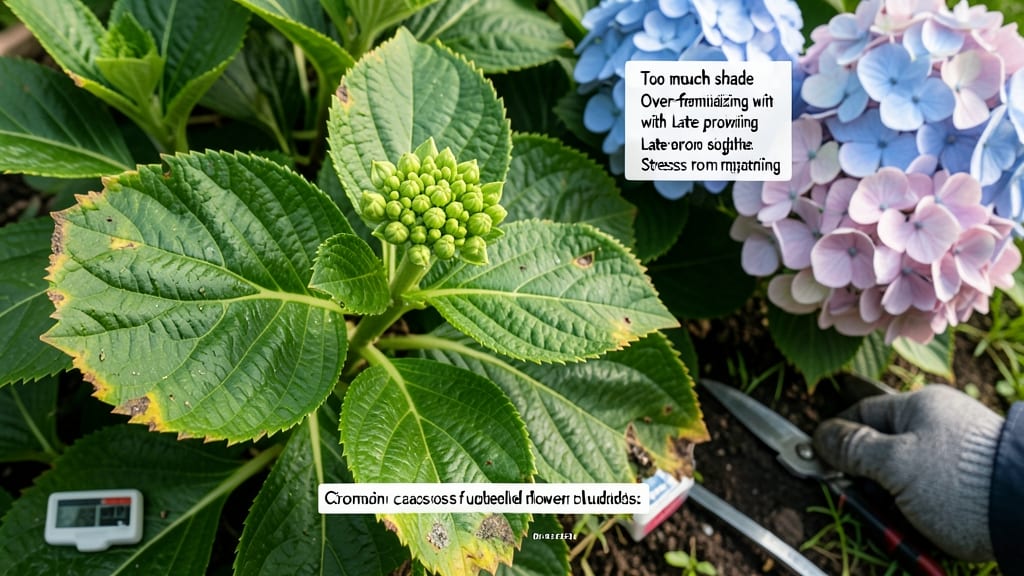
Why didn’t my hydrangea bloom this year?—you’re not alone, staring at lush green leaves wondering where the purple spikes disappeared to. 🌿 The good news? This is almost always fixable, and next season could be your most dramatic display yet. Most blooming failures come down to sunlight, pruning mistakes, or nutrient timing that you can adjust right now.
Here’s the thing—hydrangeas bloom on old wood (last year’s growth) and new wood, depending on the variety. If you pruned too late in the season or cut back too aggressively, you might’ve trimmed off next year’s flower buds before they formed.
Or maybe your plant got too much shade, or the soil lacked the right nutrients at the right time. The fixes are simpler than you think, and they start with checking your plant’s basic needs.
You’ll end up with clusters of blooms so dense they’ll make neighbors ask for cuttings, and the secret isn’t complicated: adjust sunlight, time your pruning, and feed at the right moments. Even my first-year hydrangea went from sad to showstopper after I made these three small changes.
The best part? These fixes work whether you’re growing in the ground, a pot, or a container on your patio.
Let’s start with the most common culprits—sunlight first, because this is where 80% of blooming problems begin. A quick check now could mean purple spikes by next summer. (Yes, I’m serious—this is the game-changer.)
Hidden Reasons Your Hydrangeas Skipped Blooms
Hydrangeas are finicky but forgiving—when they don’t bloom, it’s usually a silent signal from your plant. The good news? Most causes are fixable with a little detective work. Let’s uncover the real culprits behind your bare stems and how to turn things around for next season.
Hydrangeas (Hydrangea macrophylla, H. paniculata, etc.) need 4–6 hours of direct sunlight daily to trigger blooming. Too much shade or competition from trees/shrubs starves them of energy.
Why it happens:
- Bigleaf hydrangeas (H. macrophylla) thrive in morning sun + afternoon shade but wilt in deep shade.
- Panicle hydrangeas (H. paniculata) tolerate more sun but still need at least 4 hours to produce buds.
- Overcrowded roots (from mulch piled too high or neighboring plants) restrict nutrient uptake, delaying blooms.
Actionable fix:
- Test your spot: Use a light meter app or observe shadows—if your hydrangea gets <4 hours of sun, relocate it or prune nearby trees.
- Thin mulch: Keep mulch 2–3 inches deep, 6+ inches from the stem to prevent suffocation.
- Prune aggressively: Cut back 1/3 of old wood in early spring to encourage new growth toward sunlight.
Hydrangeas are thirsty divas—too much or too little water, plus poor soil, can halt flowering.
Why it happens:
- Underwatering: Buds form in late summer/early fall and need consistent moisture. Drought stress causes buds to abort.
- Overwatering: Soggy roots rot, preventing energy storage for blooms.
- Nitrogen-heavy soil: Too much nitrogen (N) promotes leafy growth at the expense of flowers. Hydrangeas need a balanced 10-10-10 or 5-10-5 fertilizer (lower N, higher P for blooms).
- pH problems: Bigleaf hydrangeas are pH-sensitive—soil pH below 5.5 or above 6.5 can stunt blooms (use hydrangea-specific soil tests).
Actionable fix:
- Water deeply 2x/week (1–1.5 inches per session) in dry spells. Drip irrigation > sprinklers to avoid fungal issues.
- Fertilize in stages:
- Early spring: Light 10-10-10 fertilizer to wake roots.
- Mid-summer (July): Switch to high-phosphorus (e.g., 5-10-5) to push blooms.
- Adjust pH: Add sulfur (to lower pH) or lime (to raise pH) based on a soil test (aim for 5.2–5.5 for blue flowers, 6.0+ for pink).
Pruning at the wrong time or too aggressively can remove next year’s flower buds.
Why it happens:
- Bigleaf hydrangeas bloom on old wood (buds set last year). Pruning in late winter/early spring risks cutting off dormant buds.
- Panicle/smooth hydrangeas bloom on new wood—pruning too late (after buds form) removes potential blooms.
- Over-pruning: Cutting back more than 1/3 of the plant stresses it, diverting energy to recovery, not flowers.
Actionable fix:
- Bigleaf hydrangeas:
- Prune in late winter (Feb–March) only to shape, never after June.
- Remove dead/diseased wood but leave last year’s stems (buds form at the ends).
- Panicle/smooth hydrangeas:
- Prune right after blooming (late summer) to encourage new growth for next year’s flowers.
- Cut back 1/3 of the oldest stems annually to rejuvenate.
Hidden invaders can sap energy or damage buds before they open.
Why it happens:
- Aphids/spider mites: Suck sap, weakening stems and preventing bud development.
- Scale insects: Create sticky honeydew, attracting sooty mold (blocks sunlight).
- Powdery mildew: Fungal disease distorts buds, causing them to drop.
- Borers: Larvae tunnel into stems, starving the plant of nutrients.
Actionable fix:
- Inspect leaves/stems for sticky residue, webbing, or discoloration.
- Spray with neem oil (early morning) or insecticidal soap for pests.
- Remove infected leaves and prune affected stems 6 inches below damage.
- Improve airflow: Space plants 3–4 feet apart to reduce humidity (fungus loves damp conditions).
Hydrangeas are sensitive to temperature swings and transplant shock.
Why it happens:
- Late frosts (spring): New buds freeze before opening.
- Heatwaves (summer): Buds abort if temps exceed 90°F (32°C) for weeks.
- Transplant shock: Moving hydrangeas after bud set (August–September) disrupts energy storage.
Actionable fix:
- Protect from frost: Cover plants with frost cloth if late frosts are forecast.
- Provide shade cloth (30–50%) in peak summer to lower temps by 10–15°F.
- Transplant in early spring or fall (avoid July–August when buds form).
Pro Tip: 💡 Keep a gardening journal this year—track sunlight, watering, and pruning dates. Next season, adjust just one variable (e.g., fertilizer or pruning) to isolate the fix!
Revive Your Hydrangeas Now
If your hydrangeas are looking more like a leafy green bush than a showstopper with blooms, don’t panic! With the right adjustments, you can coax those stunning flowers back next season. Below, we’ve mapped out practical fixes for each common cause—plus tips to keep your hydrangeas thriving long-term.
Hydrangeas need at least 4–6 hours of sunlight daily (more for some varieties like Hydrangea paniculata). If they’re tucked in deep shade, they’ll focus energy on leaves instead of blooms.
How to Fix It: 🔥 🌞 Relocate or Prune Overhead Shade
- Move potted hydrangeas to a sunnier spot (morning sun is ideal).
- Prune trees or structures blocking sunlight if possible.
🍳 🌿 Gradual Sun Transition
- If your plant is shade-acclimated, ease it into more sun over 2–3 weeks to avoid leaf scorch.
💡 Pro Tip: Panicle hydrangeas (like ‘Limelight’) tolerate full sun, while bigleaf varieties (like ‘Endless Summer’) prefer partial shade. Know your type!
Hydrangeas are thirsty but hate soggy roots. Too little water = stress; too much = root rot. Aim for consistently moist (not waterlogged) soil.
How to Fix It: 👨🍳 💦 Check the Soil First
- Stick your finger 2 inches deep—if it’s dry, water deeply. If sticky, hold off.
🥘 🌧️ Adjust Your Watering Routine - Underwatered? Water slowly at the base until it drains from the bottom of the pot (or 6+ inches into the ground). - Overwatered? Let the top 1–2 inches dry out between waterings.
Improve drainage with: - Pots: Add perlite or sand to soil. - Ground plants: Amend clay soil with compost or mulch.
⏰ 🌡️ Mulch Like a Pro
- Apply 2–3 inches of mulch (wood chips or straw) to retain moisture and regulate temperature.
Hydrangeas crave acidic soil (pH 5.2–6.0) and nutrients like phosphorus and potassium for flowers. If your soil lacks these, blooms will skip town.
How to Fix It: 📊 🧪 Test Your Soil’s pH
- Use a DIY test kit (available at garden centers) or send a sample to a local extension office.
- Too alkaline? Add sulfur or peat moss to lower pH.
- Too acidic? Mix in lime (sparingly).
💪 🍎 Fertilize for Flowers
- Spring (March–April): Apply a balanced fertilizer (10-10-10) or one high in phosphorus (e.g., 5-10-5).
- Summer (June–July): Switch to a potassium-rich fertilizer (like 0-10-10) to encourage blooms.
- Organic option: Use composted manure or bone meal for a slow-release boost.
✨ 🎯 Hydrangea-Specific Hack
- For blue/purple blooms, add aluminum sulfate (follow package rates).
- For pink blooms, use lime to raise pH.
Pruning at the wrong time or too aggressively can remove next year’s flower buds. Hydrangeas bloom on old wood (last year’s growth) or new wood (current year’s growth), depending on the type.
How to Fix It: 🔪 🌸 Know Your Hydrangea Type
- Old Wood Bloomers (e.g., bigleaf, oakleaf):
- Prune right after flowering (late summer/fall).
- Never cut back into old wood (thick, woody stems)—this removes next year’s buds!
- New Wood Bloomers (e.g., panicle, smooth):
- Prune in late winter/early spring before new growth starts.
- Cut back 1/3 of the oldest stems to encourage fresh growth.
💡 Pro Tip: If you’re unsure, take a photo of your hydrangea and research its specific type—it’s worth the effort!
Japanese beetles, aphids, or fungal issues (like powdery mildew) can stress hydrangeas, diverting energy away from blooms.
How to Fix It: 🐞 🛡️ Spot and Stop Pests
- Japanese beetles: Handpick them into soapy water or use neem oil.
- Aphids: Blast off with a hose or spray with insecticidal soap.
- Slugs/snails: Set out beer traps or use copper barriers.
🍄 🌡️ Prevent Fungal Foes
- Improve airflow by spacing plants 3–5 feet apart.
- Avoid overhead watering—water at the base in the morning.
- Treat mildew with baking soda spray (1 tsp baking soda + 1 quart water + a drop of soap).
With these fixes, your hydrangeas should bounce back stronger—and next year, you’ll be the envy of the neighborhood with those lush, colorful blooms! 🌸💜
Frequently asked questions
Why do some hydrangea varieties bloom better than others in my garden?
It often comes down to their natural light and temperature preferences. Panicle hydrangeas (like 'Limelight') thrive in full sun and heat, while bigleaf varieties (like 'Endless Summer') prefer morning sun and afternoon shade. Check your specific variety's needs—some simply need more sunlight or better drainage to perform their best. Pro tip: Oakleaf hydrangeas are the most heat-tolerant and adaptable!
Can I still get blooms if I pruned my hydrangea at the wrong time?
Possibly, but it depends on the type. For old wood bloomers (like bigleaf), late pruning removes next year's buds—but they might still produce a few flowers on new growth. New wood bloomers (like panicle) can recover faster. The key is to adjust your timing next year: prune bigleaf types right after flowering, and panicle types in late winter before new growth starts.
How do I know if my hydrangea is getting enough sunlight?
Observe the leaves—if they're small, pale, or leggy, it's likely not enough light. For a quick test, use a light meter app or simply watch the sunlight patterns in your yard. Hydrangeas need 4-6 hours of direct sun daily, with morning sun being ideal. If your plant is in deep shade, consider moving it or pruning nearby trees to improve light exposure.
Will adding aluminum sulfate make my hydrangeas bloom blue?
Only if your soil is naturally alkaline (pH above 6.0). Aluminum sulfate lowers pH, which affects flower color in bigleaf hydrangeas—but it won't force blooms if other issues (like poor sunlight or pruning mistakes) are present. Always test your soil first (aim for pH 5.2-5.5 for blue flowers). For other types, aluminum sulfate won't change color but may help overall health.
Can I save my hydrangea if the stems are already woody and bare?
Yes! Even woody stems can produce new growth if you give them proper care. Prune back 1/3 of the oldest stems in late winter, then focus on consistent watering and balanced fertilizer (like 10-10-10). New growth should emerge from the base, and with time, you'll see fresh blooms. Patience is key—it may take a season or two for full recovery.