
Pruning
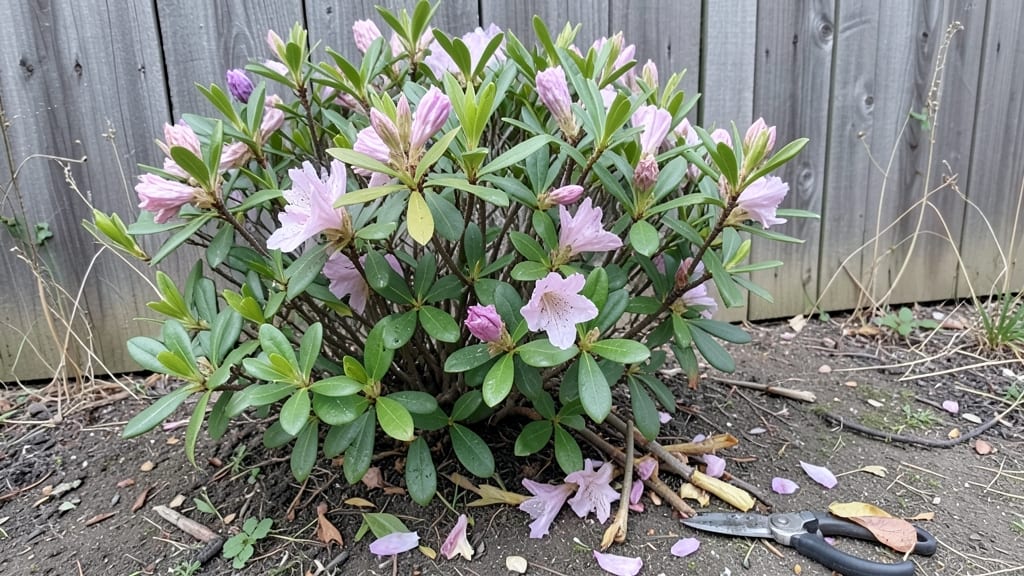
Pruning azaleas after blooming isn’t just about shaping—it’s about waking up your plant for its next spectacular show. 🌸 I’ve learned the hard way that cutting at the wrong time or in the wrong spots can leave your azaleas looking tired instead of thriving.
The secret lies in timing: right after the flowers fade but before new buds form, usually in late May or June, depending on your climate.
You’ll need sharp pruning shears, a clean bucket for clippings, and a steady hand. The goal is to remove only the spent blooms and about a third of the oldest stems—never more than that.
Cut just above a leaf bud or side branch, angled slightly downward to keep water from pooling. This encourages fresh growth while maintaining the plant’s natural shape, and it prevents those leggy, bare stems that ruin the look.
After pruning, give your azaleas a deep drink of water and hold off on heavy fertilizer until new growth appears. The first few weeks are critical—watch for signs of stress like yellowing leaves or wilting, which means you’ve cut too much.
But when done right, you’ll see thick, glossy new foliage by summer and even more vibrant blooms next spring.
This method works for both container and in-ground azaleas, whether you’re dealing with a single bush or a whole hedge. The key is consistency—prune the same way every year, and your azaleas will reward you with lush, healthy growth and showstopping flowers for decades.
📚 In This Guide
- What you need
- Instructions
- Tips and common mistakes
- Wrapping up and next steps
What you need
- ● Pruning shears (bypass or anvil type) – Choose sharp, clean shears (4-6" blade length) for precise cuts. Bypass shears are ideal for clean cuts on woody stems.
- ● Loppers (for thicker branches) – A pair with 8-10" blades for branches up to 2" in diameter.
- ○ Hand pruners (for fine-tuning) – Smaller, ergonomic shears for delicate trimming (optional but helpful).
- ● Garden gloves (cut-resistant) – Protect your hands from thorns and rough stems. Look for nitrile-coated or leather options.
- ● Disinfectant (rubbing alcohol or pruning sealant) – 70% isopropyl alcohol to sterilize tools between cuts and prevent disease.
- ● Sharpie or permanent marker – For marking branches if you’re unsure about cuts (great for beginners!).
- ● Bucket or trash bag – To collect pruned branches and debris.
- ● Hose with nozzle or bucket of water – Keeps tools clean and prevents sap buildup.
- ● Extension pole pruners – For reaching high branches without a ladder.
- ● Pruning saw (for thick, woody stems) – If your azalea has stubborn, mature branches.
- ● Mulch or compost – Refresh the base after pruning to nourish the plant.
- ● Plant food (balanced fertilizer) – A 10-10-10 or 20-20-20 NPK ratio to encourage new growth post-pruning.
- ● Knee pad or stool – For comfort if you’re working close to the ground.
Step-by-step instructions for pruning azaleas after blooming
Here's the method I rely on to keep azaleas lush and blooming year after year.
✂️ Step 1: Wait Until Flowers Fade Naturally
Never prune azaleas while flowers are still open—it signals the plant to stop blooming for the season. Instead, wait until all blossoms have dropped and turned brown. This usually happens 4-6 weeks after peak bloom, depending on your climate. If you prune too early, you'll sacrifice next year's flowers.
Check the stems carefully. You'll see dry, papery seed pods forming where flowers once were—this is your cue. Cutting before this stage removes next year's flower buds hidden in the leaf axils. I always mark the calendar after my azaleas bloom to remember when to prune.
✂️ Step 2: Clean Up Dead and Overcrowded Branches
Start by removing any dead, diseased, or crossing branches first. These compete with healthy growth and block airflow, inviting pests. Look for stems that are brown and brittle when bent—these are dead and must come out. Use sharp pruning shears to make clean cuts just above a leaf bud or lateral branch.
Next, thin out crowded branches to improve airflow. Aim for an open vase shape that lets light reach the center. I like to step back every few cuts to visualize the plant's structure. Remove no more than 25% of the plant's total growth in one session—this prevents stress and maintains vigor.
✂️ Step 3: Shape the Plant for Next Year's Blooms
Azaleas bloom on old wood, so avoid cutting back into last year's growth. Instead, focus on new growth at the tips of branches. Trim these back by about ⅓ of their length to encourage bushier, fuller growth. Make cuts just above a leaf bud angled away from the branch—this directs new growth outward.
For leggy branches, cut back to a strong lateral branch or bud. You'll see small, round buds along the stems—these are where next year's flowers will form. Avoid cutting these off. If a branch is completely bare, remove it entirely to redirect the plant's energy to healthier growth.
✂️ Step 4: Sterilize Tools and Clean Up
After pruning, sterilize your shears with rubbing alcohol to prevent spreading disease. Wipe the blades clean and store them in a dry place. This simple step saves me from fungal issues that can weaken azaleas over time. I also clean up all fallen leaves and debris from beneath the plant—this reduces hiding spots for pests.
Apply a layer of mulch around the base (but not touching the trunk) to retain moisture and regulate soil temperature. Water deeply after pruning to help the plant recover. You'll notice new growth emerging from the leaf buds within 4-6 weeks, signaling the plant is healing well.
Tips & tricks for perfect azalea pruning
Pruning azaleas might seem tricky, but these simple tricks will help you maintain healthy, blooming shrubs for years to come.
Timing is Everything: The 4-6 week window after peak bloom is critical for azalea health. If you're unsure when your azaleas bloomed, check for dry, papery seed pods—this is your visual cue that it's time to prune. I always mark my calendar the day the last flower falls to avoid missing this window. Waiting too long can lead to overgrowth, while pruning too early removes next year's flower buds.
Visual Cues for Healthy Cuts: When shaping your azalea in Step 3, look for those small, round buds along the stems—they're the promise of next year's blooms. Make your cuts just above these buds, angled away from the branch, to encourage outward growth. I like to step back every few cuts to visualize the open vase shape—this improves airflow and prevents disease. Aim to remove no more than 25% of the plant's total growth to avoid stressing it.
Tool Care Matters: Sterilizing your pruning shears with rubbing alcohol after each cut prevents spreading disease between branches. I keep a small bottle of rubbing alcohol in my gardening toolkit for quick clean-ups. Also, always use sharp shears—dull blades crush stems instead of making clean cuts, which can invite infections. A quick wipe-down of the blades with a clean cloth between cuts keeps them in top shape.
Post-Pruning Recovery: After you've finished shaping, water deeply to help the plant recover. The 4-6 week recovery period is when you'll see new growth emerging from those leaf buds. I like to add a layer of mulch around the base (but not touching the trunk) to retain moisture and regulate soil temperature. This simple step can make a big difference in how quickly your azalea bounces back.
Pro Tips for Prune Azaleas After Blooming
- Pruning azaleas might seem tricky, but these simple tricks will help you maintain healthy, blooming shrubs for years to come.
- Timing is Everything: The 4-6 week window after peak bloom is critical for azalea health.
- Visual Cues for Healthy Cuts: When shaping your azalea in Step 3, look for those small, round buds along the stems—they're the promise of next year's blooms.
Frequently asked questions
Got questions about pruning azaleas after they bloom? You’re not alone! Here are some common concerns and answers to help you prune with confidence.
When is the best time to prune azaleas after they’ve finished blooming?
Wait until 4–6 weeks after blooming before pruning. This gives the plant time to recover and ensures you don’t accidentally remove next year’s flower buds. If you prune too early, you risk cutting off blooms for spring!
Can I prune azaleas in the fall?
What about winter?
No—avoid pruning in fall or winter. Azaleas are dormant during these seasons, and cutting now can stress the plant. Stick to late spring or early summer (after blooming) for the best results. If you must trim for shape, do it lightly in early spring (before buds swell).
What if I accidentally prune off flower buds?
Can I save my azalea?
Don’t panic! If you’ve already cut flower buds, focus on light maintenance pruning next year. Azaleas often produce secondary blooms on new growth. For next season, prune only dead or weak branches—never more than 1/3 of the plant’s foliage.
Do I need special tools for pruning azaleas?
Yes! Use sharp, clean pruners (or a small handsaw for thicker branches) to avoid tearing. A disinfectant spray (rubbing alcohol or bleach solution) keeps tools sterile. Avoid dull blades—they crush stems, stressing the plant. Pro tip: Wipe tools between cuts to prevent disease spread!
What if my azalea looks leggy or overgrown after pruning?
Leggy growth happens when azaleas get too much shade or nutrients. After pruning, fertilize lightly with an acid-loving plant food (like azalea/rhododendron mix) in early summer. For shape, prune selectively—cut back only the longest stems to encourage bushier growth. Sunlight matters too: 6+ hours of morning sun helps!
Wrapping up and next steps
Pruning your azaleas after blooming is a simple yet powerful way to keep them thriving for years to come! By following the right techniques—like removing spent flowers, shaping with precision, and avoiding over-pruning—you’ll encourage lush foliage and vibrant blooms next season. Your green thumb is all it takes!
Ready to give your azaleas the care they deserve? Grab your pruners and head outside—your plants (and future blooms) will thank you! 🌸✂️