
Pruning
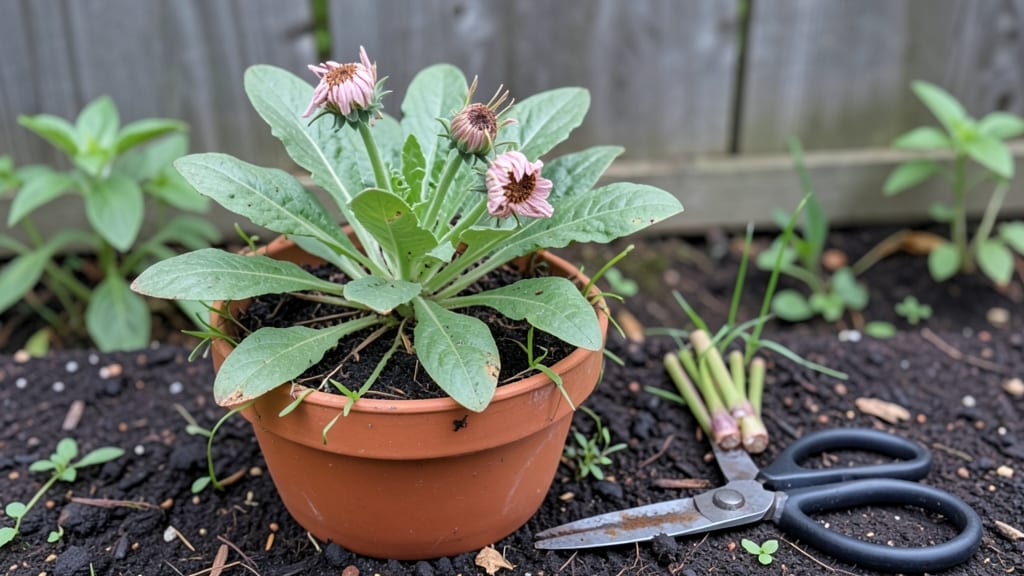
Learn how to trim daisies after blooming—because skipping this step turns your first flush of flowers into sad brown stems, and I made that mistake the hard way. ✨ flush of blooms. The fix? A simple trim that tricks the plant into producing more flowers instead of seeds.
All you need is a clean pair of pruners or sharp scissors and about 10 minutes on a sunny afternoon. The key is cutting just above a leaf node—where new growth emerges—right after the petals drop.
This encourages fresh blooms to form within weeks, not months. Most gardeners overlook this step, but it’s what turns a single burst of color into months of cheerful daisies.
By deadheading regularly, you’ll end up with lush, bushier plants that look like they’re on a never-ending parade of blooms. The stems stay sturdy, the foliage thickens, and you avoid the sad sight of spent flowers turning into seed heads.
Plus, your daisies will rebloom 2-3 times in one season if you keep up with the trimming.
Here’s the catch: don’t cut too late in the season, or you’ll stunt new growth before winter. And if your daisies start looking leggy, a light pruning in early spring gives them a fresh start.
The payoff? A garden that stays vibrant from June through September with almost no extra effort.
📚 In This Guide
- What you need
- Instructions
- Tips and common mistakes
- Wrapping up and next steps
What you need
- ● Pruning shears or hand pruners – Choose sharp, bypass pruners (4-6 inches) for clean cuts. Sterilize with rubbing alcohol before and after use.
- ● Garden gloves – A pair of durable, breathable gloves (size medium/large) to protect your hands from thorns and dirt.
- ○ Garden snips or small scissors – Optional but helpful for delicate trimming in tight spaces (5-inch pair recommended).
- ● Compost bin or bucket – A 5-gallon bucket or wheelbarrow to collect spent blooms and debris.
- ● Watering can or hose – For post-trimming hydration (1-2 gallons of water per session).
- ● Knee pads – For comfort during extended trimming sessions.
- ● Disinfectant spray – To sterilize tools between plants (prevents disease spread).
- ● Pruning saw – For thick-stemmed varieties like Shasta daisies.
- ● Garden journal – To track blooming cycles and trimming schedules.
Step-by-step instructions for deadheading daisies
Keep your daisies blooming all summer with this simple, foolproof method.
✂️ Step 1: Wait for the Right Time to Trim
Don't grab those shears the moment a bloom wilts—wait until the flower head turns completely brown and the petals have fallen away. This tells you the seed head has fully formed and the plant has redirected its energy. I always check my daisies in the morning light when the dew has dried; that's when I can see the true color of the spent blooms.
If you cut too early, you'll remove buds that could still open. If you wait too long, the plant puts unnecessary energy into seed production instead of new flowers. Look for the brown, papery center surrounded by fallen petals—that's your cue to act.
✂️ Step 2: Use Clean, Sharp Pruners for Precision Cuts
Grab your sterilized pruning shears and make your cut about ½ inch above the first set of healthy green leaves below the dead bloom. This ensures you're not leaving any dead tissue that could rot. I like to make a slight upward angle on the cut to help water run off the stem later.
Don't be tempted to use your fingers or scissors—clean pruners prevent disease spread between plants. After each cut, wipe the blades with rubbing alcohol to keep them sterile. You'll notice stronger regrowth when you use sharp tools; dull blades crush stems and invite infection.
✂️ Step 3: Remove Only the Spent Blooms
Focus solely on the dead flower heads—never cut back the entire stem. Daisies bloom along their stems, so removing too much reduces future flowers. I always count the remaining buds: if a stem has 3+ unopened buds, I leave it alone. For stems with only 1-2 buds, I might trim back slightly to encourage bushier growth.
Here's the thing—daisies will keep blooming if you only remove what's finished. The plant knows exactly where to redirect its energy for new flowers. Watch how quickly fresh buds appear after your first few cuts; that's your reward for precise trimming.
🌿 Step 4: Maintain Regular Trimming Through Summer
Make deadheading a weekly habit during peak bloom season. Check your daisies every 5-7 days and trim any browned blooms immediately. I set a reminder on my phone for every Saturday morning—consistency is key. The more you remove, the more your plants will produce.
Don't stop just because flowers slow down in late summer. Keep trimming until the first frost, even if you're only finding a few spent blooms. The plant stays healthier and may surprise you with late-season color. You'll see the most dramatic difference in varieties like Shasta daisies that naturally produce continuously.
Tips & tricks for perfect deadheading daisies
These simple tricks will help you keep your daisies blooming beautifully all summer long.
Timing Secret: The key to deadheading is patience—wait until the flower head is completely brown and petals have fallen away. This ensures the plant has fully redirected its energy. I always check in the morning when dew has dried, as this gives the clearest view of the flower's true condition. Trust me, rushing this step means you'll cut off potential new blooms that could still open.
Tool Technique: Sterilized pruning shears are your best friend for this job. After each cut, wipe the blades with rubbing alcohol to prevent disease spread between plants. I also make a slight upward angle on my cuts—this helps water run off the stem later and reduces the chance of rot. Never use scissors or your fingers, as they can crush stems and introduce bacteria.
Precision Cuts: Always cut about ½ inch above the first set of healthy green leaves below the dead bloom. This ensures you're not leaving any dead tissue that could rot. I like to count the remaining buds on each stem—if there are 3 or more unopened buds, leave it alone. Only trim stems with 1-2 buds to encourage bushier growth. This precision makes all the difference in how quickly your daisies rebound with new blooms.
Consistency Wins: Make deadheading a weekly habit during peak bloom season by checking your daisies every 5-7 days. I set a phone reminder for Saturday mornings—consistency is what keeps those flowers coming. Even in late summer when blooms slow down, keep trimming until the first frost. You'll be amazed at how much healthier your plants stay and how many surprise late-season flowers you'll get.
Pro Tips for Trim Daisies After Blooming
- These simple tricks will help you keep your daisies blooming beautifully all summer long.
- Timing Secret: The key to deadheading is patience—wait until the flower head is completely brown and petals have fallen away.
- Tool Technique: Sterilized pruning shears are your best friend for this job.
Frequently asked questions
Got questions about trimming your daisies after they bloom? You’re not alone! Here are some common concerns—answered simply so you can keep those blooms coming all season long.
How often should I trim my daisies after they bloom?
Trim daisies every 1–2 weeks once they start wilting. This encourages new blooms and keeps your plants looking fresh. Just snip off the faded flowers at the first sign of drooping—no need to wait until they’re completely gone! Consistency is key for nonstop summer color.
Can I cut back daisies too much?
Yes, over-trimming can stress your daisies! Always cut back just above a set of healthy leaves or buds—never leave bare stems. If your plant looks sparse after pruning, wait a few days to see if new growth emerges. For perennials, avoid heavy cuts in late summer to prevent winter damage.
What if I missed deadheading my daisies?
No worries! Even if you skipped deadheading, your daisies will still bloom. Just start trimming faded flowers now, and they’ll bounce back with fresh blooms. If your plant looks leggy, a light trim to encourage bushier growth is a great reset—just avoid cutting more than ⅓ of the foliage at once.
Can I use shears or just my fingers to trim daisies?
For best results, use clean, sharp pruning shears or scissors. Fingers work for small stems, but shears give you more control and prevent crushing delicate stems. Always sterilize your tools with rubbing alcohol before use to avoid spreading disease.
What if my daisies stop blooming after trimming?
If blooms vanish suddenly, check for pests, overwatering, or insufficient sunlight. Daisies thrive in full sun (6+ hours daily) and well-drained soil. If the issue persists, fertilize lightly with a balanced formula and ensure consistent watering. Often, a little patience and proper care bring those blooms back!
Wrapping up and next steps
Trimming daisies after blooming is your secret to a vibrant, long-lasting garden—it’s simple, rewarding, and keeps those cheerful flowers coming back all season! 🌼 By deadheading spent blooms and giving your plants a little TLC, you’ll encourage fresh growth, prevent seed spread, and keep pests at bay. You’ve got this!
Now that you’re armed with the know-how, grab those shears and get pruning. Start with one section at a time, and soon, your garden will be bursting with color—no green thumb required!
For extra flair, try adding mulch or fertilizing lightly to keep your daisies thriving. Happy gardening! 🌿