
Blooming
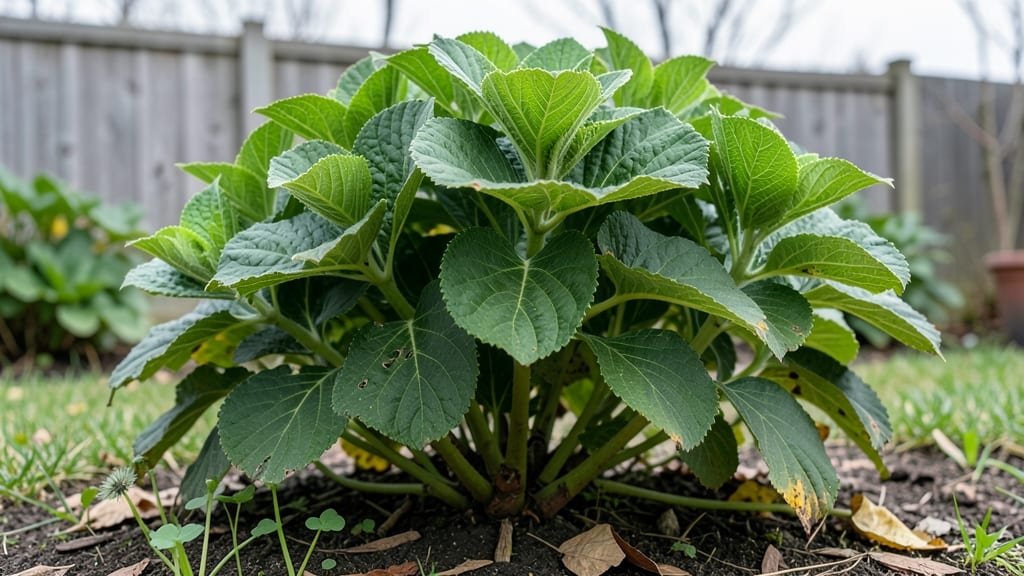
Pruning hydrangeas before bloom is the secret to bigger, showier flowers that steal the show all season.
Your hydrangeas could be hiding their full potential—pruning at the right time before bloom unlocks stunning, larger flowers that last all season. But timing and technique matter more than you think.
Most gardeners wait until after the flowers fade, but that’s actually the wrong time for mophead and lacecap varieties. The key is late winter or early spring, when the plant is still dormant but buds are forming.
In this guide, I’ll walk you through the exact steps to prune for maximum bloom power, plus common mistakes that leave your hydrangeas looking lackluster.
When and how to prune hydrangeas before bloom for maximum flower power
Pruning hydrangeas at the right time before bloom can transform your shrubs from average to showstopping. The key is understanding your hydrangea type—mophead, lacecap, or panicle—and acting during the dormant season.
Late winter or early spring, just as new buds form, is your golden window. Miss this timing, and you might end up with fewer blooms or no flowers at all.
I’ve pruned hydrangeas for years, and the difference between a well-pruned shrub and one left untouched is night and day. With the right tools and technique, you’ll encourage larger flower heads, healthier stems, and longer-lasting blooms.
Let’s dive into the step-by-step process so you can unlock your hydrangeas’ full potential.
Timing is everything when pruning hydrangeas before bloom. Aim to finish by late March in most climates, just as buds begin to swell. If you’re in a warmer zone (USDA Zone 8+), prune in early spring to avoid encouraging too-early growth that could get damaged by late frosts.
After pruning, clean up debris around the base to reduce pests and diseases. This is also the perfect time to apply a balanced fertilizer (like 10-10-10) to give your hydrangeas a nutrient boost for the growing season ahead.
Think of it as a reward for their hard work—they’ll thank you with bigger, brighter blooms all summer long.
One common mistake I see is pruning too late in spring, after buds have formed. This removes next year’s flowers. Always prune before buds swell—they’ll look like tiny green peas or beads on the stems.
If you’re unsure, wait until you see new growth starting at the base of the plant.
For lacecap hydrangeas, which often have smaller, more delicate blooms, be extra gentle. These varieties can be sensitive to heavy pruning, so focus on removing dead wood and thinning out crowded branches rather than aggressive cuts.
The goal is to preserve their natural shape while encouraging longer stems for those stunning lace-like flowers.
If your hydrangeas are younger than 3 years old, hold off on heavy pruning. Let them establish a strong root system first. Lightly shape them by removing dead or weak stems and crossing branches. Patience pays off—you’ll see bigger blooms in just a few seasons.
Finally, don’t forget to water deeply after pruning to help the plant recover. Mulch around the base with 2-3 inches of organic mulch (like shredded bark) to retain moisture and regulate soil
Common pruning mistakes that kill hydrangea blooms (and how to avoid them)
Pruning hydrangeas at the wrong time or with the wrong technique can turn your bloom-filled dreams into bare branches. Many gardeners accidentally stunt growth or eliminate next year’s flowers by making these common errors.
The key is understanding when to cut and what to preserve—especially before those buds form.
Hydrangeas store next year’s flower buds on old wood (for mophead and lacecap varieties) or new wood (for panicle types). Cutting too late or too aggressively can leave your plant flowerless. Let’s fix these mistakes before your hydrangea before bloom becomes a disaster.
⚠️ Hydrangea Before Bloom: Critical Pruning Red Flags
❌ Over-pruning: Cutting more than 1/3 of the plant removes too many flower buds hidden in old wood. Look for thick, woody stems—these hold next year’s blooms.
❌ Wrong season: Pruning after buds form (spring/summer) kills current-year flowers. Wait until late winter/early spring when the plant is dormant.
❌ Cutting old wood: Mophead and lacecap varieties bloom on last year’s growth. Snipping these stems means no flowers next season.
❌ Ignoring plant type: Panicle hydrangeas bloom on new wood, so they need aggressive pruning. Mixing up types leads to confused blooms or none at all.
❌ Jagged cuts: Uneven snips create entry points for disease. Always use clean, sharp pruners and cut at a 45-degree angle just above a bud or node.
Let’s start with the biggest blooming killer: pruning at the wrong time. Many gardeners grab their shears in early spring when buds are already swelling. But for mophead and lacecap hydrangeas, this means slashing next year’s flowers before they even appear.
The fix? Wait until late winter, when the plant is still dormant but before new growth starts.
Next, over-pruning is a silent flower thief. If you trim back more than 1/3 of the plant, you’re likely removing hidden flower buds. Always leave at least 2/3 of the plant intact.
Look for thick, woody stems—these are your bloom factories. For panicle hydrangeas, you can be bolder, but never go below the first set of buds.
Here’s a quick visual cue: healthy stems have smooth bark and small buds along their length. Damaged or diseased stems are cracked, mushy, or discolored. If you see these, remove them entirely—they won’t produce flowers and may spread infections.
Use sterilized pruners and seal cuts with pruning paste to prevent bacterial entry.
Finally, forgetting to fertilize after pruning can leave your hydrangea weak and woody. Once you’ve pruned, apply a balanced fertilizer (like 10-10-10) to encourage strong new growth. Pair this with regular watering and mulch to retain moisture—your hydrangea will thank you with bigger blooms next season.
With these fixes, your hydrangeas will bloom like never before. Just remember: patience and precision are your best tools. Happy pruning! ✂️🌸