
Blooming
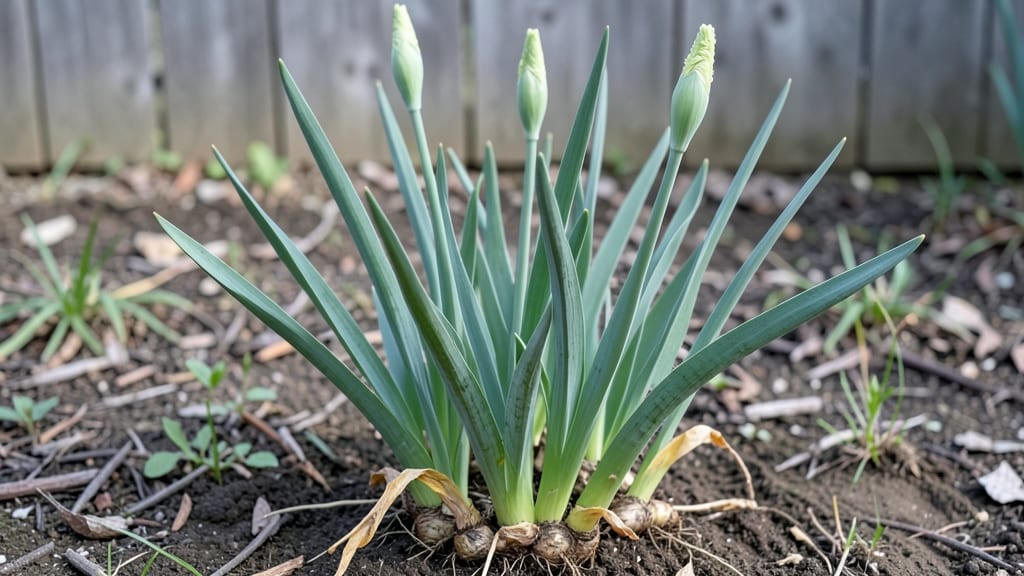
Before your irises bloom, they send out unmistakable signals that most gardeners miss—like leaf color shifts or bud formation—hinting at the vibrant display 🌸 just weeks away.
If your irises are standing tall but still haven’t produced those stunning blooms, you might be missing key signs they’re almost ready to flower. Understanding these subtle cues can help you predict—and even encourage—your irises’ most vibrant display.
Timing is everything with irises, especially in Zone 6a, where a late frost or missed fertilizer window can delay blooms for months.
The right care before those first buds appear—like pruning last year’s foliage or adjusting soil nutrients—makes all the difference between a few weak stems and a garden full of color.
Below, I’ll show you the 5 most reliable pre-bloom signs, how to speed up flowering with simple tweaks, and why some varieties bloom earlier than others. No more guessing—just lush, healthy irises ready to shine.
5 Unmistakable signs your iris is about to bloom
I’ve watched my irises transform from dormant clumps to vibrant blooms over the years, and I’ve learned to spot the subtle clues they give before their flowers emerge.
These signs aren’t always obvious—especially to new gardeners—but once you know what to look for, you’ll be able to predict bloom time with surprising accuracy. The key is paying attention to both leaf changes and growth patterns that happen weeks before those iconic iris blooms appear.
One of the biggest mistakes I see is waiting for visible buds before taking action. By then, you’ve missed the best window to optimize care for larger, healthier flowers. Instead, focus on these early indicators to give your irises the perfect conditions for their spring or fall show.
Trust me, your patience will be rewarded with longer-lasting blooms and more frequent flowering cycles.
Look for purple streaks or a blue-green tint on mature leaves. This happens 3-4 weeks before blooming as the plant shifts energy toward flower production. Check the older leaves first—they’ll show changes before the newer ones.
Tiny pea-sized buds appear where the fan of leaves meets the rhizome. These are often missed because they’re hidden beneath the foliage. Gently lift the leaves to spot them—this happens 2-3 weeks before blooming.
Iris foliage typically grows 6-12 inches early in the season. When it suddenly reaches 12-18 inches, blooming is imminent. Measure from the rhizome base—this spike happens 1-2 weeks before flowers open.
Leaves will feel stiffer and more rigid as they prepare to support the weight of blooms. Run your thumb along the leaf edges—if they don’t bend easily, blooming is within 7-10 days. This is especially noticeable in bearded iris varieties.
Look for tiny shoots emerging from the rhizome’s top. These are the first signs of the plant’s energy shifting toward flower production. This happens 4-6 weeks before blooming, so it’s the earliest indicator.
I once missed these signs with my Siberian iris and ended up pruning too late, cutting off potential buds before they could open. Now, I mark my calendar when I see the purple leaf streaks—it’s my signal to reduce nitrogen fertilizer and increase phosphorus to support blooming.
This small adjustment made a huge difference in my iris’s flower count the following season.
Another pro tip: Morning sunlight is your best friend during this stage. Irises need 6+ hours of direct sun daily to trigger blooming hormones. If your plants are in partial shade, consider relocating them or adding a reflective surface (like a white wall) to bounce more light onto the foliage.
I’ve seen irises in shadier spots bloom 2 weeks later than their sun-soaked counterparts.
Don’t forget to check the underside of leaves for early signs of bud swelling. Sometimes, the first visible changes appear there before the buds push through the foliage.
I use a small hand mirror to inspect hard-to-see areas—it’s saved me from missing signs in my Japanese iris clumps, which tend to have more compact growth.
If you’re growing bearded irises, pay extra attention to the throat of the bud as it forms. The fuzzy texture (where the "beard" develops) becomes more pronounced in the final week before blooming. This is a unique identifier for this variety and helps distinguish it from other iris types.
Timing is everything when it comes to iris care. Once you recognize these pre-bloom signals, you can adjust your watering, fertilizing, and even pest monitoring to protect those delicate buds.
For example, I stop overhead watering when I see the first buds forming to prevent fungal issues like iris borer or leaf spot, which can ruin blooms before they even open.
🌸
How to encourage early iris blooming: pro tips for gardeners
Want your irises to burst into color weeks earlier than usual? The secret lies in understanding their pre-bloom needs and making small adjustments to their care routine.
Irises thrive when given the right balance of sunlight, nutrients, and pruning—but many gardeners accidentally delay blooming with common mistakes. Let’s fix that!
Timing is everything with irises. If you act too late, you might miss the prime blooming window of early spring. The key is to start preparing in late winter, when the plant is already signaling its readiness.
With the right approach, you can push those vibrant blooms forward by 2-3 weeks—or even more!
⚠️ 3 Critical Mistakes Delaying Iris Blooms
Over-fertilizing with nitrogen sends energy to leaves instead of flower buds. Use a high-phosphorus fertilizer (5-10-10) in early spring to encourage blooming.
Neglecting deadheading after blooms fade wastes energy. Remove spent stems immediately to redirect nutrients to next year’s buds.
Planting too deep smothers rhizomes, slowing growth. Keep the top 1/3 visible for optimal air circulation and blooming.
Start with your soil health. Irises need well-draining soil with a pH between 6.0 and 7.0. Test your soil in early spring—if it’s too acidic, amend it with crushed limestone.
Overly compacted soil can suffocate roots, so mix in compost or sand for better aeration. Healthy soil = happier, earlier blooms!
Pruning plays a huge role in encouraging early blooms. After the first blooming cycle, cut back dead foliage by 1/3 in early summer. This prevents energy drain and signals the plant to focus on next year’s flower buds.
Avoid cutting too late—wait until the leaves turn yellow-brown before trimming.
Watering smarter makes a massive difference. Irises are drought-tolerant once established, but they need deep, infrequent watering during active growth. Water at the base of the plant in the morning to reduce fungal risks. Overwatering in late summer can trigger rot or weak growth, pushing back blooming time.
Finally, don’t ignore seasonal triggers. Irises need a period of cool dormancy to set buds for next year. If your winters are too mild, consider lightly mulching in late fall to simulate cooler conditions. This ensures a strong spring bloom without sacrificing next year’s flowers.