
Blooming
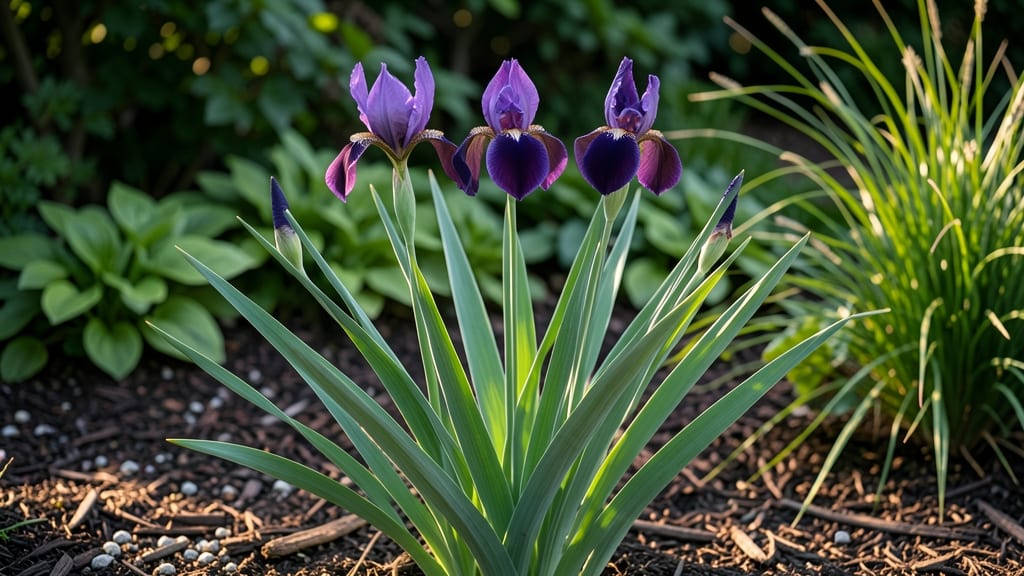
Your irises bloom in spring, typically between April and May, but the exact timing depends on variety, zone, and how you care for them.
Picture this: a crisp morning in Zone 6a, where your garden is just waking up from winter, and suddenly—🌸—your irises burst into color. That moment is pure magic, but getting there requires knowing the right conditions.
Some varieties bloom earlier, while others wait until late spring, and a few even rebloom in summer with the right care.
Climate plays a huge role—cooler zones like mine see blooms earlier, while warmer areas might stretch them into June. But here’s the secret: with a few simple adjustments, you can shift bloom times, extend the season, or even coax a second round of flowers.
Whether you’re a first-time gardener or a seasoned pro, these insights will help you predict—and perfect—your iris bloom time.
Below, I’ll break down bloom times by variety, zone-specific tricks, and five easy tips to control when (and how long) your irises shine. Ready to turn your garden into a springtime showstopper?
Iris bloom time by variety: when to expect flowers
If you're eager to see your iris garden explode with color, timing is everything.
Most iris varieties bloom in spring, but the exact bloom window varies dramatically. Bearded irises typically steal the show from late April to early June, while Siberian irises often bloom slightly later, stretching into mid-June.
Understanding these differences helps you plan for a sequential bloom display that keeps your garden vibrant all season.
The color and height of iris blooms can also hint at their bloom timing. For example, tall bearded irises with deep purple flowers often bloom earliest, while dwarf varieties like Japanese irises may wait until late May or June.
Even the leaf shape can give clues—arching leaves often signal a later-blooming variety.
Here’s a quick guide to help you predict when your irises will burst into bloom based on their type:
| Variety | Typical Bloom Time | Height Range | Color Palette | Visual Cue |
|---|---|---|---|---|
| Bearded Iris | Late April - Early June | 18" - 48" | Purple, blue, yellow, white | Fuzzy "beard" on falls |
| Siberian Iris | Mid-May - Mid-June | 24" - 36" | Blue, purple, white | Slender, grass-like leaves |
| Japanese Iris | Late May - July | 24" - 36" | Purple, white, pink | Thick, sword-like leaves |
| Dwarf Iris | Early May - Late June | 6" - 18" | Yellow, purple, blue | Compact, low-growing |
| Reblooming Bearded Iris | Late April + Late Summer | 18" - 36" | Multi-color mixes | Second flush in August |
If you’re growing reblooming iris varieties, you might spot a second bloom cycle in late summer, usually around August. These varieties are bred to produce two sets of flowers per season, giving you a extended display of color.
Look for varieties like 'Immortality' or 'Florence'—they’re famous for their reliable reblooming.
For early bloomers, focus on tall bearded irises like 'Blue Flag' or 'Black Gamecock', which often push through snow in Zone 5 and warmer. In cooler climates (Zones 3-4), these may wait until late May due to frost delays.
Always plant rhizomes in late summer to give roots time to establish before winter.
Identifying your iris variety by leaf shape can save time. Bearded irises have broad, sword-like leaves with a fuzzy beard on the falls (lower petals), while Siberian irises feature narrower, more flexible leaves. Japanese irises stand out with their thick, leathery leaves and delicate, ruffled blooms
How USDA hardiness zones affect iris flowering seasons
Your USDA hardiness zone plays a surprisingly big role in when your irises bloom. While most gardeners expect spring flowers, the exact timing shifts dramatically from Zone 3 to Zone 9.
In colder zones, irises often wait until late spring to bloom after frost danger passes, while warmer zones may see early spring or even winter blooms in mild climates.
This zone-based timing isn't just about aesthetics—it's critical for protecting your plants. Frost-sensitive buds can be damaged if they emerge too early in colder zones, while heat stress in southern climates can shorten bloom periods.
Understanding these patterns lets you strategically plant, mulch, or even choose varieties that thrive in your specific microclimate.
Here's how your zone affects bloom timing: Northern gardeners (Zones 3-5) typically see blooms in May-June, while southern gardeners (Zones 8-9) often enjoy flowers as early as February-March. The key difference? Chilling requirements for dormancy versus heat tolerance for continuous growth.
To shift bloom timing in your favor, try these zone-specific tricks. In colder zones, apply 2-3 inches of straw mulch in late fall to insulate rhizomes and encourage earlier spring growth. For warmer zones, plant irises in partial shade to delay heat stress and extend the bloom period.
Another game-changer? Planting depth. In Zones 3-5, bury rhizomes slightly deeper (1-2 inches) to protect buds from late frosts. Meanwhile, southern gardeners should plant rhizomes shallower (½ inch) to prevent rot in humid summers. These small adjustments can shift bloom windows by 2-4 weeks!
Remember that reblooming irises (like 'Florence Sullivan') need special care across all zones—they require summer fertilization and consistent moisture to produce second blooms. Whether you're in Zone 3 or Zone 9, understanding these patterns lets you create a year-round iris display with minimal effort.