
Blooming
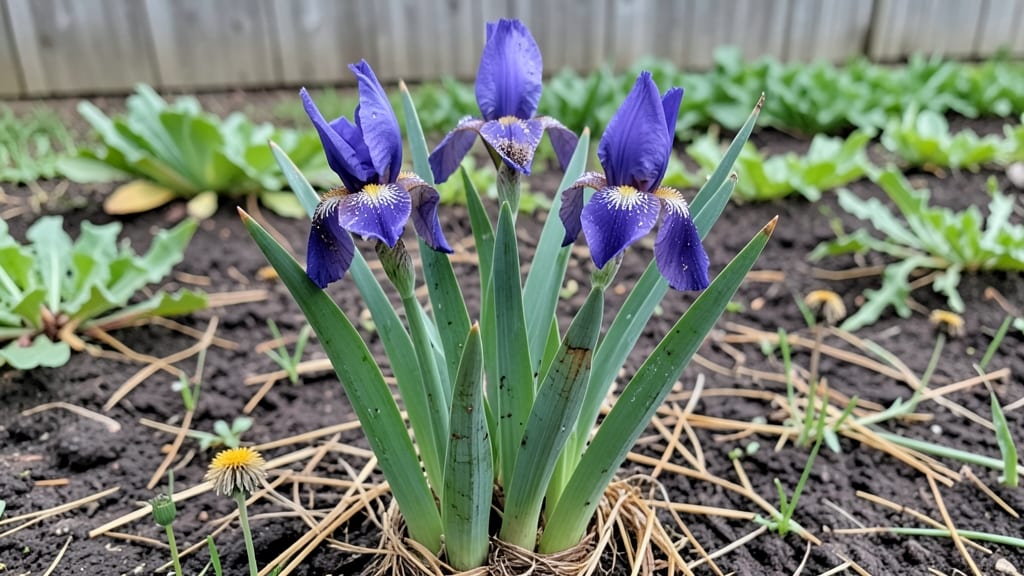
Iris blooming season typically occurs in late spring, with most varieties flowering between April and May, though some early types bloom as early as March and later reblooming hybrids may extend into June. Proper planting in early fall ensures strong root establishment for vibrant spring blooms.
Timing your iris planting isn’t just about the calendar—it’s about giving these hardy perennials the right conditions to thrive. 🌱 The key is planting in early fall (typically September-October in most U.S. zones), which lets roots establish before winter dormancy.
This head start means stronger stems and more abundant blooms come spring, plus it helps avoid transplant shock that can delay flowering.
Did you know some iris varieties actually bloom twice a year? Early spring varieties might pop up in March if winter was mild, while reblooming hybrids can reward you with a second show in late summer if you provide consistent moisture and balanced fertilizer.
The secret to longer blooms? Dividing clumps every 3-5 years prevents overcrowding, which starves out those vibrant flowers.
💡 In This Article
- Factors Influencing Iris Flowering Timing
- Optimal Planting and Care for Longer Iris Blooms
Factors influencing iris flowering timing
Here's what's actually happening beneath the soil: iris flowering is triggered by a combination of chilling requirements and daylight exposure. Most iris varieties need 6-8 weeks of temperatures below 50°F (10°C) to break dormancy and initiate flower buds.
This chilling period mimics winter conditions, signaling the plant that it's safe to bloom. Without adequate cold exposure, irises may produce fewer flowers or bloom later than expected.
The key factor is photoperiodism—the plant's response to daylight length. Irises are long-day plants, meaning they flower when daylight exceeds 12-14 hours. In northern climates (USDA zones 3-5), this typically aligns with April-May, while southern zones (6-8) may see blooms shift to March-April.
Siberian irises, for example, often bloom 2-3 weeks earlier than bearded varieties because they're better adapted to cooler spring temperatures.
Soil temperature plays a surprising role too. When soil warms to 55-60°F (13-15°C), root activity ramps up, delivering nutrients to developing flower stalks. This is why irises planted in well-draining soil bloom more reliably—their roots warm up faster in spring.
In contrast, soggy soils can delay warming by 1-2 weeks, pushing back bloom times significantly.
Variety-specific traits create the biggest variations. Bearded irises, the most common type, typically bloom in late April to early May in most regions. Siberian irises often appear earlier (March-April) because their rhizomes stay cooler longer.
Louisiana irises, native to humid climates, may bloom as late as June due to their tropical origins and different chilling needs.
What most people don't realize is how microclimates affect timing. A south-facing slope can warm 5-10°F faster than a north-facing garden, causing irises there to bloom 1-2 weeks earlier. Even urban heat islands can advance bloom times by 7-10 days compared to rural areas.
This explains why some gardeners see their irises bloom in March while neighbors down the street wait until May.
For reblooming hybrids, the story gets even more complex. These varieties need two chilling periods: one in winter and another after their first bloom. Without proper summer moisture and fertilizer, they skip the second bloom entirely.
The science behind this involves auxin hormone regulation, which controls flower bud formation—think of it as the plant's internal clock resetting after its first show.