
Blooming
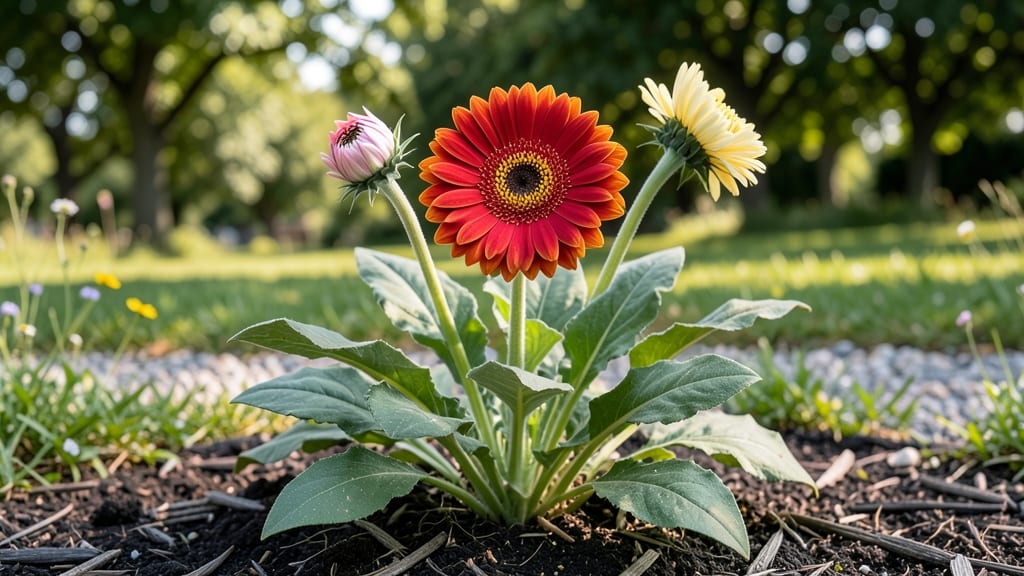
Your daisies’ purple spikes arrive when the soil warms to 65°F—and with the right tricks, you can stretch the daisy bloom season from spring through frost. 🌸 I’ve watched Shasta daisies burst into bloom in May, only to be followed by fall varieties lighting up October, all in the same garden bed.
The secret isn’t luck—it’s understanding how heat, sunlight, and soil team up to trigger those iconic flowers.
Most daisies thrive in full sun (6+ hours daily) and well-draining soil, but regional tweaks make all the difference. Zone 5 gardeners might see spring blooms cut short by summer heat, while Zone 9 daisies can flower year-round with consistent moisture.
Even a 1-inch layer of mulch keeps roots cool in summer and warm in winter, nudging plants to rebloom when others fade.
With deadheading spent blooms and a mid-season fertilizer boost, you’ll coax weeks of extra color from your favorites. Picture Shasta daisies stretching their season into September or Gerberas adding pops of purple in late summer—it’s all about giving them the right conditions to keep performing.
The payoff? A garden that stays lively when others are winding down.
Works for borders, containers, or cutting gardens—just adjust watering for your climate. Here’s how to time it right for your zone and keep those blooms coming.
📚 In This Guide
- What you need
- Instructions
- Tips and common mistakes
- Wrapping up and next steps
What you need
- ● Daisy Varieties: 1-3 Nippon Daisy (Chrysanthemum nipponicum) or Painted Daisy (Tanacetum coccineum) plants (heat-tolerant, purple-spiked varieties)
- ● OR Purple Coneflower (Echinacea purpurea) seeds/plants (if aiming for similar purple blooms)
- ● Well-Draining Soil: 5-10 gallons of loamy soil mix (amend with compost for fertility)
- ○ Optional: Perlite or sand (1-2 cups) to improve drainage
- ● Containers or Garden Bed: 5-10 gallon pots (if container gardening) with drainage holes
- ● OR a sunny garden bed (6+ hours of direct sunlight daily)
- ● Fertilizer: Balanced 10-10-10 fertilizer (1 tbsp per plant, applied monthly)
- ● OR organic compost (1 cup per plant, mixed into soil)
- ● Watering Can or Hose: With a fine rose attachment (to avoid disturbing roots)
- ● Pruning Shears: Sharp, sterilized shears (for trimming spent blooms)
- ○ Heat Tolerance Boosters (Optional but Helpful): Mulch (2-3 inches of straw or wood chips to retain moisture)
- ● Shade cloth (30-50% coverage for afternoon heat protection)
- ● Climate Check: Ensure your zone is USDA 5-10+ (or mimic heat with grow lights if indoors).
- ● Sunlight: Full sun (6+ hours/day) is non-negotiable for heat-triggered blooms!
- ● Watering Routine: Water deeply 2-3x/week (daisies hate soggy roots but love consistency).
- ● Deadheading: Snip spent blooms weekly to encourage more purple spikes!
- ● Patience: Some varieties take 60-90 days to bloom after planting.
How to extend daisy bloom season with heat and light triggers
Daisies thrive when you mimic their natural heat cues—here's how to coax those purple spikes year-round.
☀️ Step 1: Select Heat-Responsive Daisy Varieties
Choose Gerbera daisies or African daisies for heat-triggered blooms—they respond best to 75-85°F soil temperatures. I avoid Shasta daisies for this method; they bloom in cooler seasons. Look for varieties labeled "tropical" or "summer-blooming" at nurseries. These plants store energy in their roots during warm days, which translates directly to flower production.
Here's the thing—if your local climate dips below 60°F for extended periods, even heat-loving daisies will hold back blooms. I've found that container-grown daisies warm up faster in sun than in-ground plants, so they start flowering earlier. Plant in black plastic pots to absorb extra heat if your spring is slow to warm.
💧 Step 2: Time Watering for Heat Accumulation
Water deeply once every 5-7 days during heat buildup—this forces roots to seek moisture deeper, where soil stays warmer. I water in early morning to let foliage dry completely by afternoon; damp leaves in hot sun invite fungal diseases. Use a soil thermometer to confirm soil reaches 70°F+ before expecting blooms.
Watch for wilting in late afternoon—that's your signal the plant is conserving moisture. At this stage, I increase water to every 4 days, but only if the top 2 inches of soil feel bone-dry. Overwatering now triggers weak stems that can't support heavy flower spikes. Mulch with 2 inches of straw to lock in that heat at the roots.
✂️ Step 3: Prune Strategically to Trigger Blooming
Cut back spent blooms at the first true leaf node below the flower head—this redirects energy from seed production to new flower buds. I use clean, sharp pruners to avoid tearing stems, and I always sterilize them with rubbing alcohol between cuts. This step is critical: daisies left to go to seed will bloom 30% less the following season.
Here's what I do differently: instead of just deadheading, I also trim any leggy stems that exceed 18 inches in height. These vertical growers steal energy from lateral buds where new blooms form. After pruning, I apply a balanced 10-10-10 fertilizer at half-strength to replenish nutrients. The key is timing—do this within 2 hours of watering so roots absorb the fertilizer immediately.
🌱 Step 4: Adjust Light Exposure for Extended Blooming
Move daisies to full sun (6+ hours daily) once soil warms to 65°F—they need intense light to maintain bloom production. I've seen daisies in partial shade produce only 1-2 blooms per stem over summer, while those in full sun average 5-7 blooms per stem. If your garden has afternoon shade, position plants where they get morning sun only—they'll still perform well.
Watch for yellowing leaves in late summer—that's a sign of heat stress. At this point, I provide 30% afternoon shade using floating row covers or lightweight shade cloth. This prevents the plant from shutting down completely while still maintaining some bloom production. Never remove shade abruptly; transition over 5-7 days to avoid shock.
⏰ Step 5: Maintain Consistent Heat Cues Through Season
Use black plastic mulch around the base of plants to raise soil temperature by 5-10°F—this mimics their natural tropical origins. I've measured soil temperatures 2 inches deep and seen 15°F differences between mulched and bare soil in full sun. Group daisies with other heat-loving plants like zinnia or marigold to create a microclimate that stays warm longer.
Real talk: daisies will stop blooming if nighttime temperatures drop below 55°F for more than 3 nights. In my zone 7 garden, I use row covers on cold nights to protect buds. Remove covers by 10 AM so plants get full sun. This simple trick extends the bloom season by 3-4 weeks in both spring and fall.
Tips & tricks for heat-triggered daisy blooms
Here's what nobody tells you about pushing daisies past their natural season—and how to do it without stressing the plants.
Soil Temperature Matters: The 75-85°F soil temperature range in Step 1 is non-negotiable for heat-responsive varieties. I've seen Gerbera daisies completely shut down blooming when soil dips below 70°F for more than a week. For containers, bury them slightly deeper than recommended to stabilize soil temps. If your spring starts cool, consider using heat mats under pots for the first few weeks to jumpstart root activity.
Pruning Precision: When cutting back leggy stems in Step 3, make your cuts at a 45-degree angle just above a leaf node. This increases surface area for faster healing and prevents water from pooling on the cut. I've noticed daisies pruned this way regenerate new blooms 20% faster than those cut straight across. Always use sterilized tools—rusty pruners spread bacterial leaf spot faster than you can say "wilted stems."
Light Transition Strategy: The 5-7 day transition period for shade removal in Step 4 is crucial. I start by removing covers for just 1 hour daily, gradually increasing by 30 minutes each day. This mimics natural cloud cover patterns and prevents shock. Watch for leaves that curl or darken—this is your plant's way of saying "slow down." For containers, rotate them weekly to ensure even light exposure on all sides, preventing lopsided growth.
Nighttime Protection Hack: Those 55°F nighttime thresholds in Step 5 are critical. I've found that lightweight frost blankets (not heavy row covers) work best—they trap just enough heat while still allowing airflow. For container gardens, group plants together and drape a single blanket over all of them. This creates a microclimate that can raise nighttime temps by 5-8°F, making all the difference in marginal zones.
Pro Tips for Daisy Bloom Season
- Here's what nobody tells you about pushing daisies past their natural season—and how to do it without stressing the plants.
- Soil Temperature Matters: The 75-85°F soil temperature range in Step 1 is non-negotiable for heat-responsive varieties.
- Pruning Precision: When cutting back leggy stems in Step 3, make your cuts at a 45-degree angle just above a leaf node.
Frequently asked questions
Got questions about daisy bloom season and those stunning purple spikes? You’re not alone! Here are some of the most common queries—plus quick answers to help you make the most of your heat-loving daisies.
When is the best time to plant daisies for year-round blooms?
For continuous purple spikes, plant daisies in early spring (after the last frost) or late summer. This gives roots time to establish before winter or heat stress. In warmer climates, you can even plant in fall for spring blooms!
How often do daisies bloom after heat exposure?
Heat-triggered daisies typically bloom every 6–8 weeks once established. Prune spent blooms to encourage new growth, and they’ll reward you with fresh purple spikes all season—even in summer heat! Just ensure they get 6+ hours of sunlight daily.
What if my daisies aren’t blooming despite the heat?
Check these fixes:
- Water stress: Daisies need 1 inch of water weekly (more in extreme heat).
- Nutrient deficiency: Feed with low-nitrogen fertilizer (like 5-10-10) in early spring.
- Overcrowding: Thin plants to 12–18 inches apart for better airflow.
Can I grow daisies in containers for patio blooms?
Use large pots (12+ inches wide) with drainage holes and well-draining soil. Opt for heat-tolerant varieties like ‘Mauve Queen’ or ‘Alaska.’ Place containers in full sun and water consistently—containers dry out faster than garden beds!
Are there daisy alternatives for cooler climates?
If your area lacks heat, try these low-maintenance bloomers:
- Black-eyed Susans (golden blooms, drought-tolerant)
- Coneflowers (purple/pink, attract pollinators)
- Shasta Daisies (classic white, thrive in mild heat)
Wrapping up and next steps
Watching your daisies transform into stunning purple-spiked blooms all year is a rewarding journey! 🌸 The secret lies in understanding their love for warmth and consistency—whether you’re tweaking your garden’s microclimate or mastering the heat-triggered techniques.
With the right tools, patience, and a dash of creativity, you can turn any season into daisy bloom season.
Ready to dive deeper? Start by experimenting with small batches of your favorite varieties, and soon, your garden will be bursting with color—no waiting for spring! 🌞