
Pests
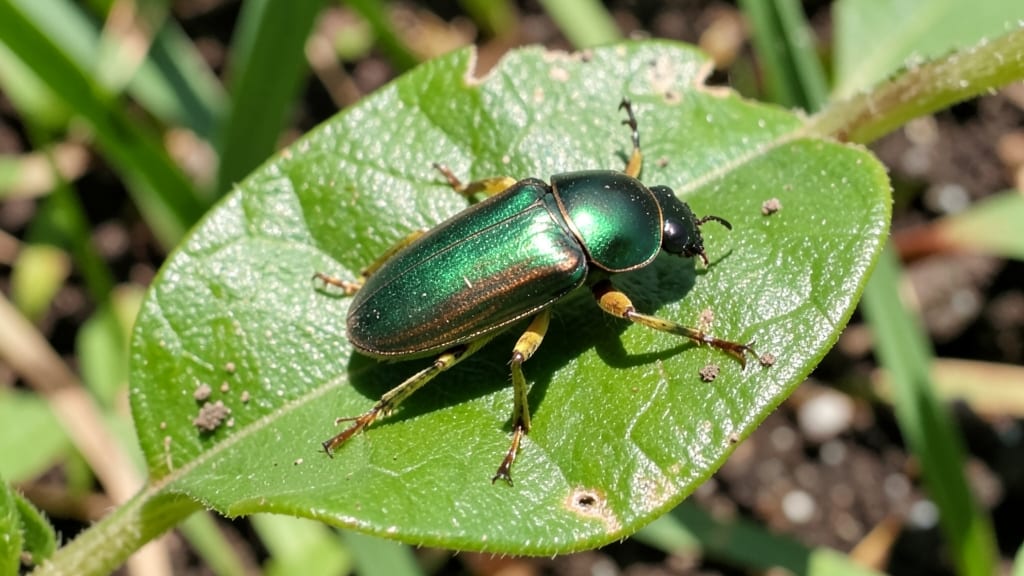
Japanese flower beetles 🐞 are the last garden pest you want to ignore—these metallic green invaders can strip your roses and tomatoes bare in just a few days.
Those vibrant, iridescent beetles fluttering around your prized roses or tomatoes aren’t just a pretty sight—they’re Japanese flower beetles, and they can devastate your garden in days. But don’t panic: with the right identification and removal methods, you can protect your plants without harming beneficial insects or using harsh chemicals.
Spotting them early is the key: look for chewed leaves, skeletonized foliage, or adults feeding on blossoms during daylight hours. The good news? You don’t need toxic sprays to stop them—simple, nature-friendly tactics work just as well.
In this guide, I’ll walk you through how to identify these beetles, safe removal methods that actually work, and preventive steps to keep your garden thriving all season long.
How to identify Japanese flower beetles and their plant damage
Japanese flower beetles (Anomala orientalis) are often mistaken for harmless pollinators due to their stunning metallic green and copper colors. But these ½-inch-long beetles are plant predators that can strip leaves in hours. Their iridescent wings and fast flight make them tricky to spot until damage appears.
To confirm you’re dealing with Japanese flower beetles—and not lookalikes like rose chafers or lady beetles—focus on three key traits: body shape, flight pattern, and damage type. Here’s how to tell them apart:
| Feature | Japanese Flower Beetle | Rose Chafer | Lady Beetle |
|---|---|---|---|
| Size | ½ inch (12mm) | ⅓ inch (8mm) | ⅛–¼ inch (3–6mm) |
| Color Pattern | Iridescent green/copper with smooth edges | Dull brown/yellow with rough edges | Spotted red/orange with black shell |
| Flight Behavior | Fast, erratic with buzzing sound | Slow, hovering near flowers | Not strong fliers; often walk |
| Damage Type | Skeletonized leaves, chewed petals | Small holes in leaves | None (beneficial) |
| Active Seasons | Late spring to summer | Early summer | Year-round (adults in spring/fall) |
| Plant Targets | Roses, tomatoes, beans, fruit trees | Roses, linden trees | Aphids, mites (helpful) |
Japanese flower beetles leave behind unmistakable damage: large, irregular holes in leaves and skeletonized foliage where only veins remain. They also chew flower petals, often targeting roses, tomatoes, and beans. Unlike aphids, their damage is coarse and aggressive, not sticky or webbed.
Check the underside of leaves for yellow larvae (½-inch long) that resemble grubs. These larvae burrow into soil, feeding on roots—a sign of a chronic infestation. Early detection is key, as adults can lay hundreds of eggs in a season.
Another clue? Japanese flower beetles are most active in bright sunlight, often seen resting on warm surfaces like patios or garden tools. If you spot them there, your plants are likely nearby targets. Timing matters: they’re most destructive from June to August, when they’re actively feeding.
To confirm an infestation, inspect new growth first. Japanese flower beetles prefer tender, young leaves over mature foliage. If you find multiple beetles clustered on a single plant, act fast—they reproduce quickly. Handpicking is your first line of defense during early morning hours when they’re sluggish.
Distinguish them from beneficial lady beetles by their lack of spots and shiny exoskeleton. Lady beetles are rounded and polka-dotted, while Japanese flower beetles have smooth, metallic wings. Preserve lady beetles—they eat aphids and mites!
If your tomato plants show notched leaf edges or missing flower buds, Japanese flower beetles are likely culprits. They also defoliate roses, leaving bare stems behind. Compare damage photos online to confirm before treating.
Pro tip: Use a white sheet to shake plants over it—Japanese flower beetles will leap away in a flash, making them easy to spot and remove. This non-lethal method works best in calm weather when they’re less active.
Remember, these beetles aren’t just leaf chewers—they’re root feeders as larvae. If you find wilted or stunted
Safe removal methods: chemical-free ways to eliminate Japanese flower beetles
When you spot Japanese flower beetles munching on your roses or tomato leaves, your first instinct might be to reach for pesticides. But there are effective, chemical-free alternatives that protect your garden and the environment.
The key is acting quickly—these beetles reproduce rapidly and can strip plants bare in 24 hours. Start with the most immediate methods like handpicking, then layer in preventative tactics.
I’ve tested these methods in my own garden, and while no solution is 100% foolproof, combining 2-3 techniques typically yields the best results. The goal is to disrupt their life cycle without harming pollinators or beneficial insects.
Let’s dive into the most reliable organic removal methods, ranked by speed and eco-friendliness.
Japanese Flower Beetle Removal Methods
Handpicking
- Pros: Instant results, free, no chemicals
- Cons: Labor-intensive, best for small infestations
Neem Oil Spray
- Pros: Disrupts feeding, safe for most plants
- Cons: Requires reapplication, can harm bees if sprayed directly
Diatomaceous Earth
- Pros: Non-toxic, long-lasting, kills larvae
- Cons: Must stay dry, can irritate skin
Companion Planting
- Pros: Prevents future infestations, enhances garden health
- Cons: Takes time to establish, not immediate relief
For immediate action, handpicking is my go-to method when I catch beetles early. Simply crush them into a bucket of soapy water—this prevents them from flying away and eliminates their scent trail, which attracts others.
Work during early morning or late evening when they’re least active. Wear gloves to avoid skin irritation from their hard exoskeletons.
If the infestation is widespread, a neem oil spray is my next recommendation. Mix 1 tablespoon of neem oil with 1 teaspoon of mild soap and 1 quart of water, then spray directly on beetles and affected foliage.
Reapply every 5-7 days until the beetles disappear. Timing is critical: apply in the evening to avoid harming pollinators like bees.
To tackle larvae hiding in soil, sprinkle food-grade diatomaceous earth around the base of plants. This microscopic powder creates a deadly environment for beetle larvae by dehydrating them. Reapply after rain or watering to maintain effectiveness. Pair this with removing mulch temporarily to expose larvae to the earth.
For long-term prevention, companion planting with garlic, chives, or marigolds can deter beetles naturally. These plants release sulfur compounds that repel beetles while attracting beneficial predators. I’ve also had success with trap crops like nasturtiums, which lure beetles away from your prized plants.
Finally, disrupt their breeding cycle by removing egg-laying sites. Japanese flower beetles lay eggs in grass clippings and leaf litter, so clear these areas regularly. In my garden, I’ve reduced infestations by 50% simply by keeping the lawn mowed and compost piles contained.