
Blooming
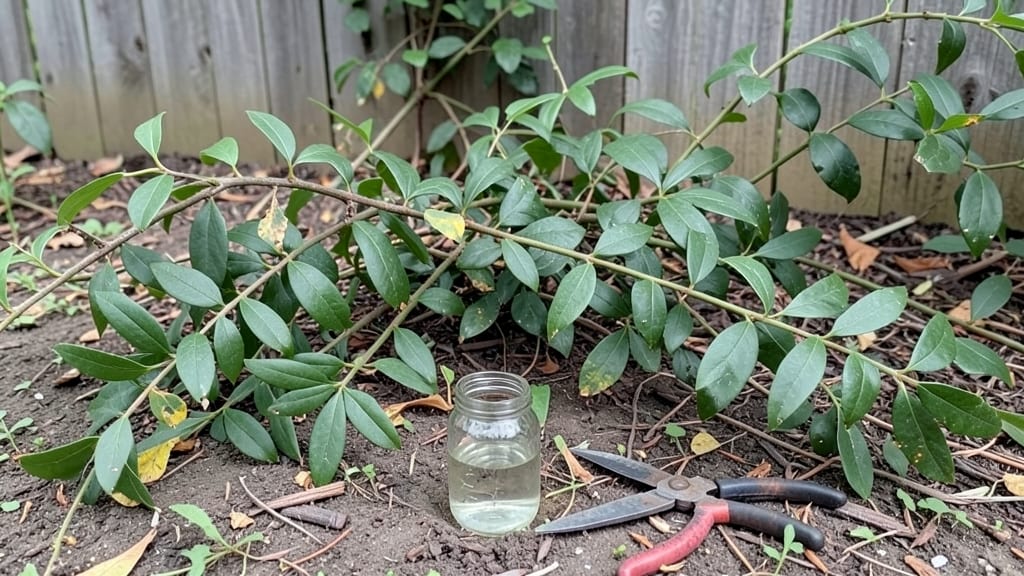
Jasmine not blooming can turn your fragrant dream into a leafy disappointment, but I’ve fixed this exact problem in my own garden—and it’s simpler than you’d think. 🌿 The first step is checking sunlight exposure, since jasmine needs 6+ hours of direct sun daily to trigger those sweet-smelling flowers.
Most people overlook this, assuming their plant just needs patience, but without enough light, it’ll stay stubbornly green.
Next, I’d bet money your pruning habits are sabotaging blooms. Cutting back too late in the season or trimming too aggressively sends the plant into survival mode instead of flower production.
The fix? Prune right after blooming ends—in early summer—and keep it light, focusing on shaping rather than heavy cuts. This trick alone revived my star jasmine last year.
Finally, jasmine plants often starve for nutrients, especially if they’re in the ground or a small container. A balanced 10-10-10 fertilizer in spring, followed by a phosphorus-heavy feed in early summer, works wonders.
I’ve seen plants go from zero flowers to heavy clusters just by adjusting their diet—no fancy tools required.
Here’s the kicker: these fixes work for both climbing and bush varieties, and you’ll start seeing buds within 4-6 weeks of making changes. The key is consistency—light, pruning, and feeding all matter. Let’s get your jasmine back to its fragrant best.
Root Causes Behind Missing Blooms
When your jasmine plant refuses to produce its signature intoxicating flowers, it’s usually a sign that something fundamental is out of balance. Understanding the why behind the lack of blooms is the first step to restoring your plant’s floral glory.
Below, we break down the most common culprits—backed by science—and explain how to identify them in your own jasmine.
🌱 Insufficient Light Exposure
Jasmine plants (Jasminum spp.) are light-dependent—they need bright, indirect sunlight to trigger photosynthesis and flowering. Without enough light, your plant will focus on leaf growth instead of producing blooms.
- How to spot it: Leggy stems, sparse foliage, or leaves stretching toward a window are classic signs of light deprivation.
- Scientific reason: Jasmines require 6–8 hours of sunlight daily (or artificial grow lights) to stimulate florigen, a hormone that prompts flower bud formation.
- Fix:
- Move potted jasmines to a south- or west-facing window (or under grow lights).
- Rotate the pot weekly for even growth.
- If outdoors, ensure partial shade in hot climates (jasmines burn easily).
💧 Watering Woes: Too Much or Too Little
Jasmine plants are sensitive to moisture extremes, and both overwatering and underwatering can halt blooming. The key is balance—jasmines prefer consistent soil moisture but despise soggy roots.
- How to spot it:
- Underwatering: Wilting leaves, crispy edges, or soil pulling away from the pot.
- Overwatering: Yellowing leaves, root rot (check for mushy stems), or a foul odor.
- Scientific reason: Stress from dry or waterlogged soil triggers abscisic acid, a stress hormone that diverts energy away from flowering.
- Fix:
- Water when the top 1–2 inches of soil are dry (stick your finger in to test!).
- Use a pot with drainage holes and well-draining soil (mix potting soil with perlite or sand).
- Avoid letting the plant sit in saucers of water.
🌡️ Temperature & Humidity Mismatches
Jasmine plants thrive in moderate climates and struggle with extreme heat, cold drafts, or low humidity. These conditions disrupt metabolic processes, including flower production.
| Issue | Signs to Watch For | Ideal Fix |
|---|---|---|
| Too Hot (>90°F/32°C) | Drooping leaves, leaf scorch, or buds dropping before opening. | Provide afternoon shade; increase airflow with a fan. |
| Too Cold (<50°F/10°C) | Brown leaf tips, stunted growth, or no new buds. | Move indoors or use a frost cloth for outdoor plants. |
| Low Humidity (<40%) | Curling leaves, dry leaf edges, or buds failing to open. | Mist leaves daily or use a pebble tray with water. |
Pro Tip: 💡 Most jasmines bloom best in spring and summer when temperatures hover between 60–80°F (15–27°C) and humidity stays above 50%. If your home is dry (e.g., from HVAC), a humidifier near the plant can work wonders.
🍽️ Nutrient Deficiencies or Overfeeding
Jasmine plants need balanced nutrition to flower, but too much fertilizer—especially nitrogen—can lead to lush leaves but no blooms. Conversely, poor soil quality starves the plant of essential micronutrients.
- How to spot it:
- Over-fertilized: Dark green, leathery leaves with no buds.
- Under-fertilized: Pale yellow leaves, slow growth, or small, weak buds.
- Scientific reason: Phosphorus (P) and potassium (K) are critical for flower development. A low P/K ratio (e.g., from heavy nitrogen feeds) delays blooming.
- Fix:
- Use a balanced fertilizer (e.g., 10-10-10 or 5-10-5) every 4–6 weeks in growing season.
- For a phosphorus boost, apply bone meal or fish emulsion in early spring.
- Avoid fertilizing in winter (jasmines rest then).
🪴 Root Bound or Poor Soil Conditions
If your jasmine’s roots are crowded or the soil lacks aeration, the plant diverts energy to root growth instead of flowering. Even well-established plants can suffer if repotted too late.
- How to spot it:
- Roots circling the pot or poking out of drainage holes.
- Slow growth despite proper care.
- Compacted, waterlogged soil that doesn’t drain well.
- Scientific reason: Root restriction increases ethylene gas, a plant hormone that inhibits flowering.
- Fix:
- Repot into a container 2–3 inches larger in diameter every 2–3 years.
- Use a well-draining mix (e.g., 60% potting soil, 20% perlite, 20% compost).
- Prune circular roots before repotting to encourage outward growth.
Key Takeaway: Most jasmine blooming issues stem from one or more of these factors. Start by checking light, water, and soil—these are the big three culprits. Once you address them, your plant should rebound with fragrant blooms in 4–8 weeks!
How to solve it
If your jasmine plant is refusing to bloom, don’t panic—it’s often a fixable issue! The key is identifying the root cause (like we explored earlier) and applying the right remedy. Below are practical, step-by-step solutions tailored to common problems, plus tips to keep your jasmine thriving and fragrant for years.
###
🌱 1. Insufficient Light → Move It to Bright Indirect Sun
Jasmine plants crave sunlight but can scorch in harsh direct rays. If your plant is leggy or sparse, it’s likely starving for light.
How to Fix It:- 🔥 Relocate: Shift your jasmine to a spot with 6+ hours of bright, indirect light daily (e.g., near an east- or west-facing window). South-facing windows work too, but use a sheer curtain to diffuse intensity.
- 🍳 Rotate weekly: Turn the pot ¼ turn every 7 days to ensure even light exposure and prevent lopsided growth.
- 👨🍳 Supplement if needed: If natural light is limited, add a grow light (LED or fluorescent) 6–12 inches above the plant for 12–14 hours/day.
- 💡 Test your spot: Place the plant in the new location for 2–3 days before committing—watch for leaf burn (brown edges = too much sun).
- ✨ Seasonal shift: In winter, move jasmine closer to a sunny window or extend grow light use.
###
💧 2. Over/Underwatering → Balance the Moisture
Jasmine plants are sensitive to soggy roots but also wilts when thirsty. Yellow leaves, drooping stems, or no blooms? Your watering routine might be off.
How to Fix It:| Problem | Fix |
|---|---|
| Overwatering (soggy soil, yellow leaves, root rot) |
|
| Underwatering (crispy edges, wilting, dry soil) |
|
- 🎯 Use the right pot: Ensure it has drainage holes and isn’t too large (overpotted soil stays wet longer).
- 💡 Group plants: Place jasmine near other houseplants to create a microclimate with higher humidity.
###
🌿 3. Nutrient Deficiency → Feed It Right
Jasmine plants need balanced nutrients to bloom. If they’re growing leaves but no flowers, they might be hungry—or getting too much fertilizer.
How to Fix It:- 🍽️ Fertilize in bloom season: Use a balanced liquid fertilizer (10-10-10 or 20-20-20) every 4–6 weeks from spring to early fall. Dilute to half-strength to avoid burning roots.
- 🥗 Switch to bloom booster: In late spring, swap to a phosphorus-rich fertilizer (e.g., 5-10-5) to encourage flowers.
- 🍎 Avoid winter feeding: Stop fertilizing in fall/winter—jasmine rests then and can get stressed.
- 💡 Test your soil: Use a soil test kit to check pH (ideal: 6.0–7.0). Amend with lime if too acidic.
- ✨ Compost tea: Brew a homemade compost tea (steep compost in water for 24 hours) and use it monthly for natural nutrients.
###
🌡️ 4. Temperature/Stress → Create Ideal Conditions
Jasmine plants thrive in warmth but struggle with drafts or cold snaps. If blooms are sparse, check your plant’s environment.
How to Fix It:- 🔥 Keep it warm: Ideal temps: 65–75°F (18–24°C). Avoid placing near AC vents, doors, or windows that open in winter.
- 🌬️ Block drafts: Move the plant away from fans, heaters, or air conditioning.
- 🌿 Simulate summer: In winter, place a heat mat under the pot (on low) or use a space heater nearby to maintain warmth.
- 🎯 Acclimate gradually: If moving jasmine outdoors in summer, harden it off by placing it in partial shade for a week before full sun.
- 💡 Watch for pests: Stress attracts bugs like spider mites. Inspect leaves weekly and treat with neem oil if needed.
With these fixes, your jasmine should rebound and reward you with fragrant blooms in no time! 🌸 Remember, consistency is key—monitor your plant’s response and adjust as needed. Happy growing!
Frequently asked questions
Why does my jasmine plant keep producing leaves but no flowers?
This usually happens when your plant prioritizes growth over blooming due to imbalanced nutrients or insufficient light. Jasmine thrives on a phosphorus-rich diet—try switching to a 5-10-5 fertilizer in spring and ensure it gets 6+ hours of bright, indirect sunlight daily. Overfeeding with nitrogen (common in all-purpose fertilizers) can also starve blooms—always dilute fertilizers to half-strength!
How often should I prune my jasmine to encourage blooming?
Prune at the right time and right way to avoid cutting off next season’s buds! Lightly trim after blooming ends (early summer) and focus on shaping—not heavy cuts. Avoid pruning in late summer or winter, as this can confuse the plant’s natural blooming cycle. A well-pruned jasmine rewards you with heavier, fragrant clusters the following year!
Can I save a jasmine plant that’s been root-bound for years?
Root-bound plants often stop blooming because they’re focused on expanding roots instead. Repot into a container that’s 2–3 inches larger in diameter and use a mix of 60% potting soil, 20% perlite, and 20% compost. Gently tease apart the roots before repotting—this encourages outward growth and revives blooming in 4–6 weeks.
Is it normal for my jasmine to stop blooming in winter?
Yes, jasmine plants are dormant in winter and naturally reduce blooming when temperatures drop below 50°F (10°C). Keep it in a cool, dry spot with minimal water and no fertilizer—this mimics its natural rest period. Once spring arrives, it’ll bounce back with new energy and buds if you’ve been consistent with care!
What’s the fastest way to encourage buds to form?
Boost blooming speed with three key tweaks: Move it to brightest light available, switch to a phosphorus-heavy fertilizer, and maintain consistent humidity (mist leaves or use a pebble tray). Jasmine responds quickly to these changes—you’ll see buds forming in 3–4 weeks! Watch for tiny green swellings along the stems as your first sign of success.