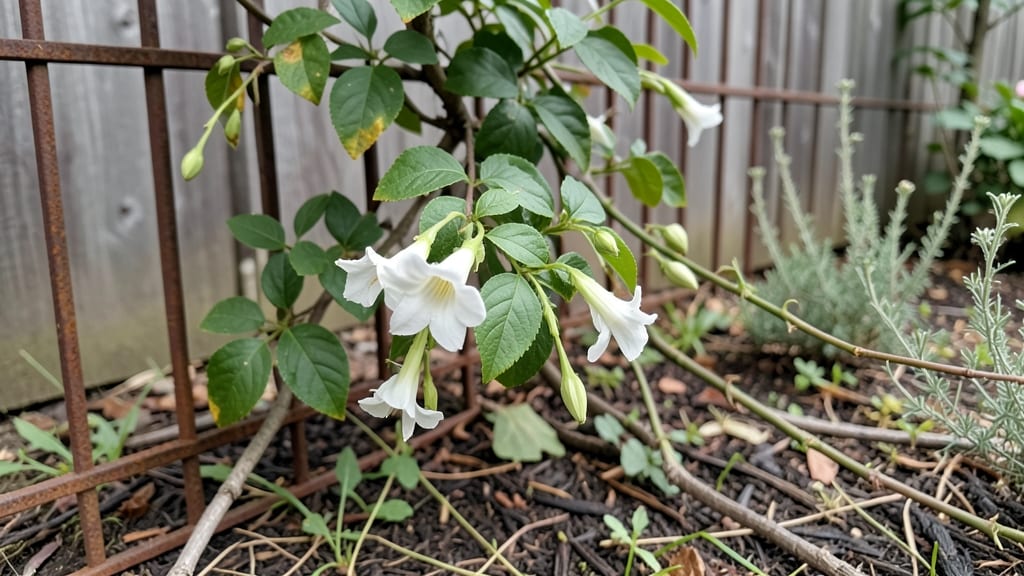
The jasmine blooming time varies by variety, but most thrive between late spring and early summer, with peak flowering in May through July—though night-blooming types may linger into fall. Warm climates and consistent sunlight trigger optimal blooming, while cooler regions may see delayed or shorter seasons.
Jasmine’s fragrance isn’t just tied to timing—it’s deeply connected to its environment. In regions with mild winters, like Southern California or Florida, jasmine often blooms year-round, while northern climates may only see sporadic bursts in summer.
The key is sunlight: jasmine thrives with 6+ hours of direct light daily, but too much heat can stress the plant, shortening its bloom cycle. 🌿 Varieties like star jasmine adapt better to cooler zones, making them a favorite for gardeners in zones 7-10.
💡 In This Article
- Climate Factors Affecting Jasmine Flowering Seasons
- Pruning and Care Tips for Year-Round Jasmine Blooms
Climate factors affecting jasmine flowering seasons
Jasmine flowering cycles are primarily governed by temperature thresholds and photoperiod—daylight exposure patterns. Most varieties require consistent temperatures between 65°F and 85°F to trigger blooming, with cooler nights (55-60°F) actually enhancing flower production.
This is why tropical climates like Hawaii or Southern Florida see near-continuous blooms, while temperate zones experience seasonal bursts. The plant's internal clock, called photoperiodism, activates when daylight exceeds 12-14 hours, which typically occurs in late spring.
Humidity plays a surprising role too—jasmine thrives in 40-60% humidity ranges, where moisture levels prevent flower buds from drying prematurely. In arid regions like Arizona, supplemental misting or mulching can extend blooming by 2-3 weeks.
The scent production itself is also humidity-dependent: higher moisture levels amplify the volatile oils that create jasmine's signature fragrance, making blooms in coastal areas like Charleston or Miami particularly potent. 💫
Frost acts as a natural dormancy trigger for many jasmine varieties, halting blooming until temperatures rise again. In USDA zones 5-6, where winters dip below 20°F, jasmine may enter a 3-4 month dormancy period, delaying spring blooms until late May or June.
Night-blooming jasmine (Cestrum nocturnum) is an exception—it evolved to thrive in warmer climates and can tolerate brief frosts (28°F), allowing it to bloom sporadically into fall.
Regional variations create dramatic differences in bloom duration. In Mediterranean climates like those in California's Central Valley, jasmine often blooms in two distinct waves: a spring flush (March-April) and a fall revival (September-October) after summer heat subsides.
Meanwhile, in subtropical zones like the Carolinas, the blooming season stretches from April through November due to milder winters and extended growing seasons.
What most gardeners overlook is how soil temperature affects root activity. Jasmine roots need to reach 60°F before active growth begins, which can delay blooming by 2-4 weeks in cooler springs.
This is why container-grown jasmine often blooms earlier—pots warm up faster than in-ground plantings. The science here involves root respiration rates: cooler soil slows metabolic processes that trigger floral initiation.
For those in transitional climates (zones 7-8), strategic placement matters. Planting jasmine near south-facing walls captures reflected heat, potentially extending the blooming season by up to 6 weeks.
This microclimate manipulation works because the wall absorbs daytime heat and radiates it slowly, creating a 5-10°F warmer environment around the plant—just enough to push blooming later into fall. 🌿
Pruning and care tips for year-round jasmine blooms
Timing your pruning is the secret to coaxing jasmine into prolonged blooming. The best time to prune is immediately after flowering, typically in late summer (August-September) for most varieties. This encourages new growth that will develop flower buds for next season.
For container-grown jasmine, you can do a light trim in early spring (March) to shape the plant and remove any dead growth, but avoid heavy pruning then—it can delay blooming by 3-4 weeks.
When it comes to fertilization, jasmine responds best to a balanced approach. Use a 10-10-10 or 20-20-20 fertilizer every 4-6 weeks during the growing season (spring through early fall). The key is consistency—jasmine needs steady nutrients to produce abundant blooms.
I always recommend mixing in 1 tablespoon of compost around the base monthly for extra organic matter, which improves soil structure and moisture retention. Over-fertilizing can lead to lush foliage but fewer flowers, so follow the package instructions precisely.
Watering techniques make a surprising difference in bloom duration. Jasmine prefers deep, infrequent watering—about 1 inch per week—rather than daily shallow watering. This encourages strong root development, which supports more flowers.
For container plants, check soil moisture by sticking your finger 2 inches deep; if it feels dry, water thoroughly until it drains from the bottom.
Mulching with 2-3 inches of organic mulch helps retain moisture and regulate soil temperature, which is especially helpful in hot climates where evaporation is rapid. 💧
Choosing between container and in-ground planting can extend your blooming season significantly. Container-grown jasmine often blooms 2-3 weeks earlier in spring because pots warm up faster.
If you live in a cooler climate, move containers to a sunny spot during the day and bring them indoors (or to a garage) at night when temperatures drop below 50°F
For in-ground planting, select a location with afternoon shade in hot climates—this prevents stress from intense sun, which can shorten the blooming period.
One often-overlooked trick for prolonging blooms is deadheading. As soon as flowers fade, pinch them off with your fingers or trim the stem just above a leaf node. This redirects the plant's energy toward producing new blooms instead of seed development.
For climbing varieties, regularly trim back the longest vines to encourage bushier growth, which typically results in more flowers. The goal is to keep the plant compact and well-aerated—this reduces disease risk and allows sunlight to reach all parts of the plant, promoting even blooming.
If you want jasmine to bloom into fall, give it a little extra care in late summer. Reduce watering slightly in August to signal the plant that cooler weather is coming, which can trigger a second flush of blooms.
In regions with mild winters, you might even see sporadic blooms throughout winter if the plant stays healthy. The key is to avoid shocking the plant with sudden changes—gradual adjustments work best. With these strategies, you can enjoy jasmine's intoxicating fragrance for months longer than the typical spring/summer window! ✨
★★★★★4.5(6 reviews)