
Blooming
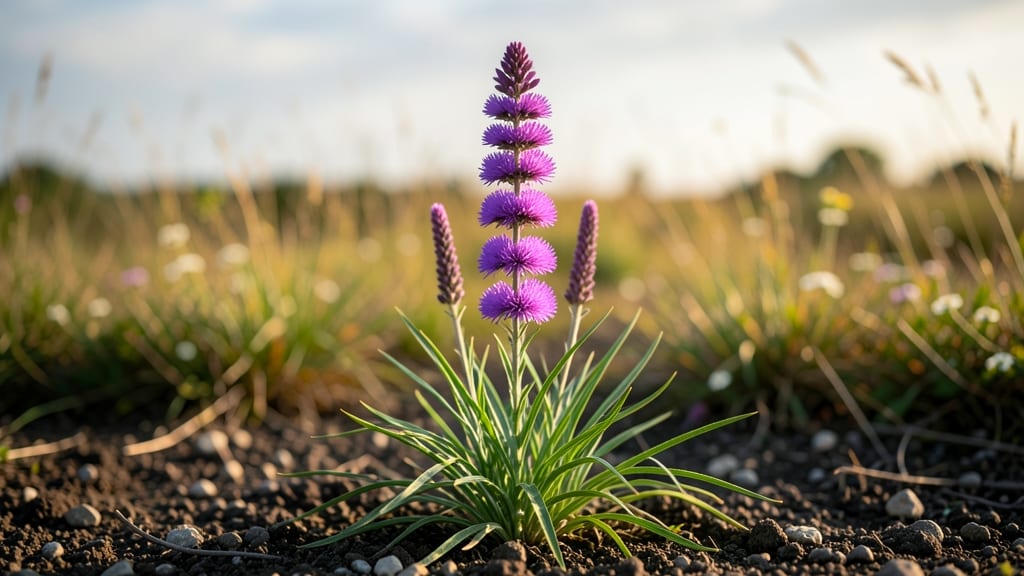
The liatris spicata bloom time turns your garden into a purple-streaked masterpiece when timed right.
If you’ve ever admired the striking purple plumes of Liatris spicata (gayfeather) and wondered when to expect its dramatic blooms, timing is everything—especially when planning your perennial garden by USDA zone.
In zones like 6a, where I garden, the blooms typically kick off in August and last through September, but cooler climates can push that back to July. The key is matching your planting window—March to April—to your local frost dates and sunlight.
Below, I’ll break down the exact months to expect blooms by zone, plus pro tips to extend those vibrant spikes and avoid common mistakes that cut flowering short.
Liatris spicata bloom time by USDA zone: exact months to plan for
Timing your liatris spicata (gayfeather) blooms means knowing your USDA zone and regional climate quirks. This drought-tolerant perennial thrives in late summer to early fall, but exact months shift dramatically from Zone 3 to Zone 10.
In colder climates, blooms arrive earlier, while warmer zones enjoy extended flowering. Understanding these variations helps you plan companion plantings and deadheading schedules for maximum impact.
For gardeners in Zones 3-5, blooms typically kick off in July and peak by August, often lasting through early September. Meanwhile, gardeners in Zones 6-8 can expect the show to start in late July and stretch into October.
Southern gardeners in Zones 9-10 enjoy the longest bloom windows, with flowers appearing as early as June and continuing through November in ideal conditions.
Here’s a quick reference for peak bloom duration by zone—critical for planning your garden’s seasonal highlights:
Regional variations add another layer to planning. In the Midwest (Zones 4-6), early morning frost can cut blooms short by mid-September, while Southwest gardeners (Zones 7-9) often enjoy blooms well into October thanks to milder nights.
Coastal areas in Zones 8-10 may see extended flowering if protected from heat stress, sometimes pushing blooms into November.
For gardeners in Zones 3-5, choosing early-blooming varieties like 'Kobold' ensures you catch the show before frost. In Zones 6-10, late varieties such as 'Floristan White' or 'Alba' (white blooms) extend your seasonal interest.
These selections can add 2-4 extra weeks of color if planted strategically alongside earlier bloomers.
One of my favorite tricks for maximizing bloom time is to plant liatris spicata in clusters with coneflowers (Echinacea) and black-eyed Susans (Rudbeckia). This creates a sequential bloom effect, ensuring your garden stays vibrant from July through October.
The key is to stagger planting dates by 2-3 weeks for each variety to create an overlapping display.
In Zones 9-10, where blooms can last 10-12 weeks, I recommend deadheading spent blooms every 2-3 weeks to encourage reblooming. This simple task can extend your display by 3-4 weeks in ideal conditions.
Just be sure to wear gloves—those spiky seed heads are as dramatic as they are prickly!
If you’re in a transition zone (like Zone 6b), pay attention to your microclimate. South-facing beds will bloom 1-2 weeks earlier than north-facing spots. Use this to your advantage by planting early varieties in cooler microclimates and late varieties in warmer pockets of your garden.
For gardeners in Zones 3-4, where frost can arrive early, focus on protecting your plants after the first light frost. Cut back foliage to 6 inches and apply a 2-inch layer of mulch to insulate roots.
This helps preserve energy for next year’s blooms, ensuring your liatris spicata returns stronger and more vibrant.
Remember, soil moisture plays a crucial role in bloom timing. While liatris spicata is drought-tolerant once established, consistent deep watering during bud formation (June-July) can advance blooms by 1-2 weeks.
Aim for 1 inch of water per week during dry spells to keep those purple plumes popping up on schedule.
How to extend liatris spicata bloom time: proven gardening hacks
Want your liatris spicata (gayfeather) to burst into those stunning purple plumes for weeks longer? The secret lies in a few simple yet powerful gardening hacks that mimic its natural growing conditions.
With the right approach, you can transform a 3-4 week bloom into a 6-8 week floral showstopper. Let’s dive into the techniques that work—backed by real gardeners’ results.
First, understand that liatris spicata thrives on minimal interference but responds beautifully to targeted care. The key is balancing soil health, light exposure, and companion plants that extend its vigor. Unlike high-maintenance annuals, this native perennial rewards patience with low-effort, high-impact results when you follow these proven steps.
Top 5 Hacks to Extend Liatris Spicata Blooms
- Deadhead strategically: Snip spent blooms just above the next set of buds to redirect energy. Use clean, sharp shears to avoid damaging stems.
- Adjust soil pH to 6.0-7.0: Test your soil—alkaline conditions (pH 7.5+) stunt blooms. Amend with sulfur or peat moss if needed.
- Maximize sunlight: Ensure 6+ hours of direct sun daily. Partial shade shortens bloom time by 30-50%. South-facing beds are ideal.
- Plant with pollinator pals: Pair with coneflowers or black-eyed Susans to attract beneficial insects that boost plant resilience.
- Water deeply but infrequently: Soak the root zone 1-2 times per week (less in summer). Shallow watering causes weak stems and fewer blooms.
Let’s start with the simplest hack: deadheading. Many gardeners skip this step, but it’s the #1 way to prolong blooms. When you remove faded flower spikes, you’re telling the plant to focus energy on new buds instead of seed production.
Use sterilized pruners and cut just above the next healthy leaf node. This encourages secondary blooming in some varieties, giving you 2-3 weeks of extra color.
Next, pay attention to your soil’s pH level. Liatris spicata prefers a neutral to slightly acidic range (6.0-7.0). If your soil tests higher (common in calcareous regions), amend it with elemental sulfur or pine needles to lower pH gradually.
A pH above 7.5 can cause chlorosis (yellowing leaves) and reduced blooming. Test your soil in early spring before new growth begins.
Sunlight is non-negotiable for liatris spicata. While it tolerates partial shade, full sun (6+ hours daily) is critical for vibrant, long-lasting blooms. If your garden lacks a sunny spot, consider a south-facing raised bed or use reflective mulch (like white gravel) to maximize light.
In USDA Zones 8-10, afternoon shade helps prevent heat stress, but morning sun is essential.
Don’t underestimate the power of companion planting. Pairing liatris spicata with pollinator-friendly perennials like Echinacea (coneflower) or Rudbeckia (black-eyed Susan) creates a symbiotic relationship. Bees and butterflies visiting these plants cross-pollinate your gayfeather, leading to healthier stems and longer bloom cycles.
Plus, taller companions like Joe Pye weed provide wind protection in exposed gardens.
Finally, watering wisdom makes all the difference. Liatris spicata is drought-tolerant once established, but deep, infrequent watering during its first year encourages strong root systems. Water early in the morning to reduce fungal risks, and avoid wetting the foliage.
In containers, ensure pots have drainage holes—soggy roots are a surefire way to shorten bloom time.