
Blooming
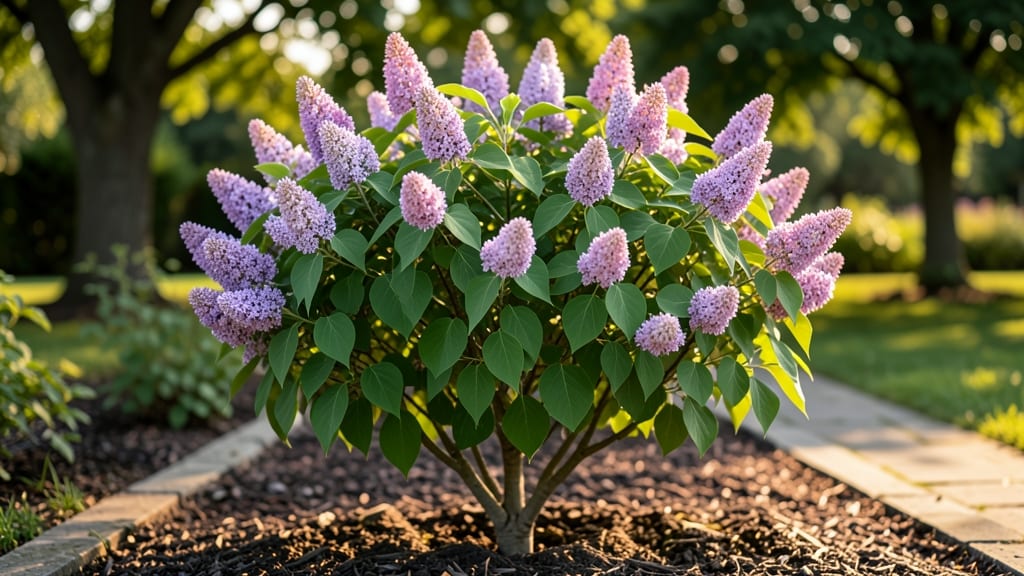
The lilac bush bloom time varies anywhere from late April to June, but your zone’s first flowers depend on more than just the calendar. 🌸 I’ve watched my own lilacs bloom in mid-May one year and late April the next—same bush, same care, just a shift in winter temperatures.
The secret isn’t guessing the date; it’s understanding how sunlight, pruning timing, and even last year’s growth affect when those iconic purple clusters appear.
Most lilacs need full sun (6+ hours daily) and well-drained soil to bloom reliably, but early varieties like ‘Sensation’ or ‘Bloomerang’ can flower weeks before standard types. Late bloomers like ‘Katherine Havemeyer’ often wait until mid-to-late May, giving you a longer show.
The trick is matching your pruning to your lilac’s natural rhythm—cutting too early can delay blooms, while waiting too long risks missing the best flowers.
With the right timing, you’ll get vibrant clusters that perfume the air for weeks, and the bush stays compact and healthy. I’ve even seen lilacs rebloom in summer if you prune correctly after their first flush.
The key is patience: lilacs reward careful gardeners with decades of fragrance, not just one season’s show.
Plan your garden tasks around lilac bloom time—mulch after flowers fade to protect roots, and avoid heavy pruning until after blooming to preserve next year’s buds. Whether you’re in Zone 4 or 8, these secrets will turn your lilacs into the fragrant centerpiece of your spring garden.
📚 In This Guide
- What you need
- Instructions
- Tips and common mistakes
- Wrapping up and next steps
What you need
- ● Pruning shears: Bypass pruners (sharp, clean, and disinfected—think of them as your lilac’s tiny surgeons!). Spec: 6-8" blades for precision.
- ● Loppers: For thicker branches (½"–1" diameter). Look for ratcheting or bypass types for ease.
- ● Gloves: Heavy-duty gardening gloves (cut-resistant, long sleeves to protect from thorns).
- ● Disinfectant: 70% isopropyl alcohol or a commercial pruning spray (1–2 sprays per tool). Pro tip: Wipe blades before and after each cut!
- ○ Pruning sealant: Optional but helpful for large cuts (½" or wider). Use a tree wound paint or beeswax-based sealant.
- ● Know your lilac’s age: Mature bushes (3+ years) need rejuvenation pruning; younger ones just need light shaping.
- ● Timing: Prune right after blooming (late spring/early summer) for next year’s flowers. Avoid pruning in fall/winter!
- ● Weather check: Choose a dry, overcast day—no pruning in rain or extreme heat.
- ● Safety gear: Safety glasses (to shield from debris) and a sturdy ladder (if your bush is >6' tall).
- ● Garden twine: For tying branches out of the way during pruning (1–2 rolls).
- ● Trash bags: Heavy-duty contractor bags (2–3) for debris cleanup.
- ● Notebook + pen: To sketch your bush’s shape before pruning—great for visual planning!
- ● Compost bin: For repurposing pruned branches into mulch or compost.
Step-by-step guide to pruning lilacs for perfect bloom time
Here’s how to time your cuts for vibrant blooms every spring—no guesswork, just results.
⏰ Step 1: Identify Your Lilac’s Flowering Cycle
Lilacs bloom on old wood, meaning last year’s growth produces this year’s flowers. Prune too late, and you cut off next season’s buds. Watch for bud swell in late winter—those plump, purple-tinged buds signal it’s time to act. In colder zones (3-5), wait until after the last frost when buds are still tight but ready to burst.
In warmer zones (6-9), prune right after blooming (late May to early June) to shape the bush before summer growth begins. If you miss this window, wait until early fall—just don’t prune after mid-August, or you’ll risk weak next-year blooms. I always mark my calendar with the first lilac bloom date in my area; that’s my cue to prune within 2 weeks after flowers fade.
✂️ Step 2: Remove Dead or Weak Wood First
Start by cutting out any dead, diseased, or crossing branches—these compete with healthy growth. Use clean, sharp pruners to make 45-degree cuts just above a bud or lateral branch. If a branch is larger than ½ inch thick, use loppers and cut ¼ inch above a bud to prevent water from pooling and rotting the wound.
I never skip this step—it’s like giving your lilac a fresh start. Look for branches that are gray, brittle, or oozing sap; these are clear candidates for removal. Also, trim any branches growing toward the center of the bush, as they’ll create a tangled mess. Thin out 10-20% of the oldest stems at the base to encourage younger, more vigorous growth.
🌿 Step 3: Shape the Bush for Airflow and Light
Lilacs thrive with open, airy canopies—this prevents fungal diseases like powdery mildew. Step back and visualize the bush’s natural shape. Cut back overgrown branches by ⅓ to open up the center. For a rounded look, trim outer branches to just above a strong lateral bud facing outward.
Here’s the thing—lilacs hate being sheared like a hedge. Instead of hacking off the top, focus on selective pruning to maintain an upright, vase-like shape. If your bush looks leggy, prune older stems back to the ground—they won’t bloom again, but new shoots will emerge from the base. I like to prune on a dry, overcast day to reduce stress on the plant.
🌱 Step 4: Time Your Final Prune for Next Year’s Blooms
After shaping, give your lilac a light trim in late summer (August) to encourage next year’s flower buds. Remove only new growth that’s longer than 12 inches, cutting back to a leaf bud or side branch. Avoid heavy pruning now—you’re signaling the plant to focus on bud formation, not leafy growth.
If you missed summer pruning, don’t worry—just avoid any major cuts after September. Lilacs need time to harden off before winter. I always fertilize lightly after pruning with a balanced 10-10-10 to support new growth. Water deeply at the base, keeping the soil 2-3 inches moist but never soggy. Within 4-6 weeks, you’ll see fresh shoots forming—those are your future blooms.
☀️ Step 5: Monitor and Adjust for Your Climate Zone
Lilacs in cold zones (3-5) bloom earlier, so prune just as buds swell (late winter). In warmer zones (6-9), prune after blooming to avoid heat stress. Watch for bud break timing—if buds swell in March, prune by mid-April; if they wait until May, delay until June. I keep a journal of my lilac’s bloom dates to refine my timing each year.
If your lilac isn’t blooming well, it might be overpruned or underfed. Older bushes sometimes need a rejuvenation cut—prune ⅓ of the oldest stems to the ground every few years to keep it productive. Mulch with 2-3 inches of organic matter (like shredded bark) to protect roots and retain moisture. With the right cuts, your lilac will reward you with fragrant, abundant blooms for decades.
Tips & tricks for perfect lilac bloom timing
Timing your lilac pruning is everything—get it right, and you'll have a bush bursting with fragrant blooms. Here's how to avoid common mistakes and get the most out of your pruning efforts.
Watch for Bud Swell: The key to perfect timing is watching for those plump, purple-tinged buds in late winter. These buds form on last year's growth and will become this year's flowers. In colder zones (3-5), wait until after the last frost when buds are still tight but ready to burst. In warmer zones (6-9), prune right after blooming (late May to early June) to shape the bush before summer growth begins. I always check my local frost date calendar and mark the first lilac bloom date in my area—this helps me stay on schedule.
Prune for Airflow: Lilacs thrive with open, airy canopies that prevent fungal diseases like powdery mildew. When shaping in Step 3, focus on cutting back overgrown branches by ⅓ to open up the center. For a rounded look, trim outer branches to just above a strong lateral bud facing outward. Remember, lilacs hate being sheared like a hedge—selective pruning maintains their natural vase-like shape. I like to visualize the bush's natural form before making any cuts, which helps me achieve that balanced look.
Late Summer Light Trim: After your main pruning, give your lilac a light trim in late summer (August) to encourage next year's flower buds. Remove only new growth longer than 12 inches, cutting back to a leaf bud or side branch. This signals the plant to focus on bud formation rather than leafy growth. I always use clean, sharp pruners for this step to avoid damaging the plant. This light trim is crucial for maintaining consistent blooms year after year.
Zone-Specific Adjustments: Lilacs in cold zones (3-5) bloom earlier, so prune just as buds swell in late winter. In warmer zones (6-9), prune after blooming to avoid heat stress. Watch for bud break timing—if buds swell in March, prune by mid-April; if they wait until May, delay until June. I keep a simple garden journal to track my lilac's bloom dates each year, which helps me refine my timing. This attention to detail makes all the difference in bloom quality.
Pro Tips for Lilac Bush Bloom Time
- Timing your lilac pruning is everything—get it right, and you'll have a bush bursting with fragrant blooms.
- Watch for Bud Swell: The key to perfect timing is watching for those plump, purple-tinged buds in late winter.
- Prune for Airflow: Lilacs thrive with open, airy canopies that prevent fungal diseases like powdery mildew.
Frequently asked questions
Got questions about lilac bloom time?
You’re not alone! Here are answers to the most common queries—from timing tricks to troubleshooting tips—so you can enjoy those fragrant blooms year after year.
When do lilac bushes typically bloom?
Lilacs usually bloom in late spring, between April and May, depending on your hardiness zone (USDA Zones 3–7). Early varieties like 'Sensation' may flower as soon as March, while later types like 'Katherine Haviland' peak in June. Cold winters trigger blooming, so avoid heavy mulch in fall if you want earlier flowers!
How do I know if my lilac bush is blooming late?
If your lilac blooms are 3+ weeks past the usual time, check these factors:
- Zone mismatch: Lilacs in Zones 8+ may bloom sporadically or not at all.
- Pruning timing: Cutting after June 1st delays next year’s flowers.
- Stress signs: Wilting leaves or sparse blooms could mean overwatering, pests, or nutrient deficiency.
Can I prune a lilac bush after it blooms?
Yes! Prune immediately after flowering (but before June 1st) to shape the bush and encourage next year’s blooms. Remove dead, crossing, or weak branches first, then trim 1/3 of the oldest stems to the base. Never prune in fall or winter—this cuts off flower buds for the next season!
Why aren’t my lilac flowers fragrant?
Fragrance fades due to:
- Over-fertilizing: Too much nitrogen = leafy growth, fewer blooms.
- Old age: Lilacs over 20 years old often lose scent. Rejuvenate with rejuvenation pruning (cutting 1/3 of stems yearly for 3 years).
- Variety choice: Some modern hybrids (like 'Miss Canada') are less fragrant than heirlooms like 'Common Lilac'.
Are there lilac alternatives with longer bloom times?
If you love lilacs but want extended blooms, try these:
- Mock Orange (Philadelphus)
- Weigela (bright pink/yellow blooms, Zone 4–8)
- Deutzia (spring/summer flowers, Zone 5–8)
- Abelia (reblooms in fall, Zone 6–9)
Wrapping up and next steps
Watching your lilac bush bloom is a rewarding experience, and with the right pruning techniques, you can ensure vibrant flowers year after year! Remember, timing and precision are key—whether you’re shaping for aesthetics or encouraging healthy growth.
Now that you’re armed with zone-specific tips and pruning secrets, it’s time to roll up your sleeves and give your lilac the care it deserves.
🌸 Next step: Grab your pruners, mark your calendar for late spring or early summer, and transform your lilac into a fragrant, flourishing centerpiece! Happy gardening! 🌿