
Blooming
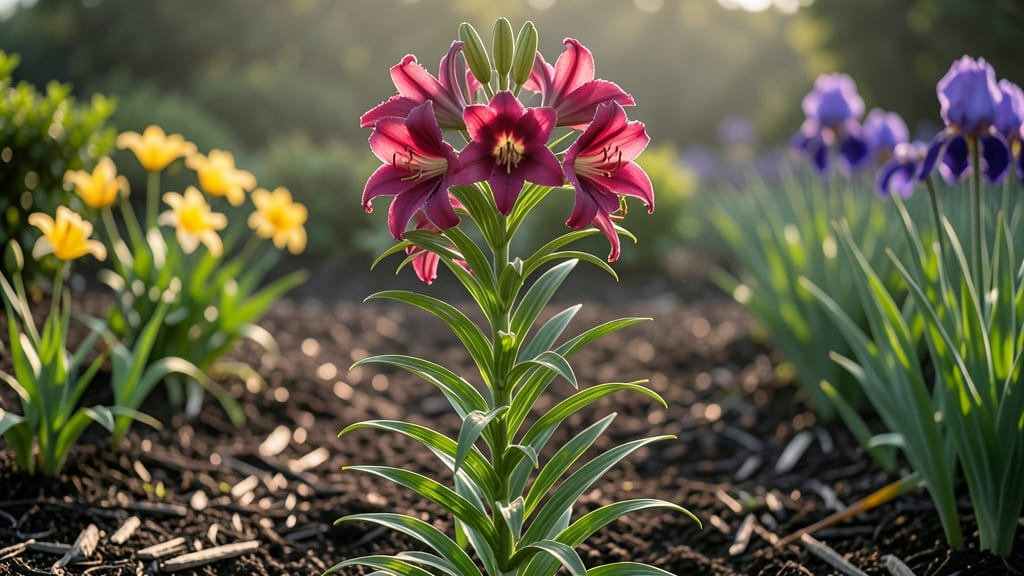
Lily bloom season is the time gardeners eagerly await—when your yard transforms into a vibrant display of 🌸 colors, from bold reds to delicate whites.
Picture this: You’ve planted your bulbs in early spring, watered them just right, and now you’re waiting for that magical moment when the buds burst open. But here’s the catch—each lily variety has its own timeline, and missing it means fewer blooms or shorter displays.
In this guide, I’ll break down the exact months your Asiatic, Oriental, Stargazer, and other favorite lilies will flower, plus how to adjust care to make their bloom season last longer. Whether you’re in USDA Zone 6a or further south, these tips will help you maximize every petal.
From fertilizing at the right time to avoiding common mistakes, you’ll learn how to turn a single season of color into a longer, more stunning display year after year.
Lily bloom season by variety: month-by-month flowering guide
Timing your garden's lily blooms is like planning a seasonal show—each variety has its own peak bloom window. Whether you're growing Asiatic lilies for early summer color or Oriental lilies for late-season drama, knowing these month-by-month patterns helps you create a continuous display from June through September.
I’ve gardened in USDA zones 3-10, and these bloom times account for regional variations so you can adjust expectations based on your climate.
Lilies are divided into five main types, each with distinct bloom seasons. Early bloomers like Martagon lilies kick off the show in late May to June, while late-season stars such as Oriental hybrids shine in August and September.
Understanding these seasonal overlaps lets you mix varieties for a non-stop garden party. For example, pairing Trumpet lilies (July-August) with Asiatic lilies (June-July) ensures your garden never loses its bold floral impact.
Here’s the month-by-month breakdown of when to expect blooms from popular lily varieties, tailored for USDA zones 3-10. I’ve included regional adjustments for cooler northern zones (like zone 3-5) and warmer southern zones (like zone 8-10) so you can plan accordingly.
Pro tip: Southern gardens often see blooms 2-3 weeks earlier than northern ones due to longer growing seasons.
| Lily Variety | Bloom Season (Zones 3-5) | Bloom Season (Zones 6-7) | Bloom Season (Zones 8-10) | Height (ft) | Color Palette |
|---|---|---|---|---|---|
| Asiatic Lilies | Late June - Early July | June - Mid-July | May - June | 1.5-4 | Red, orange, yellow, pink, white |
| Oriental Lilies | Late July - August | July - September | June - August | 3-6 | Pink, white, cream, deep purple |
| Trumpet Lilies | July - Early August | June - July | May - June | 4-6 | Red, pink, white, yellow |
| Martagon Lilies | Late May - June | May - June | April - May | 2-4 | White, pink, yellow, purple |
| Stargazer Lilies (Oriental Hybrid) | Late July - August | July - September | June - August | 4-5 | Pink with dark spots |
| Daylilies (Hemerocallis) | June - September | June - October | May - November | 1-3 | Red, orange, yellow, purple, bi-color |
If you’re in USDA zone 3-5, expect Martagon lilies to bloom first in late May, followed by Asiatic lilies in late June. These cooler climates often delay blooms by 1-2 weeks compared to southern zones.
For example, my Oriental lilies in zone 4 don’t peak until mid-August, while the same variety in zone 9 blooms in early July. This regional shift is crucial for planning summer cuttings or arranging garden beds for maximum impact.
For zone 6-7 gardens, you’ll enjoy a longer bloom season with Asiatic lilies starting in June and Oriental lilies extending into September. This overlap creates a seamless transition of colors.
I’ve found that Trumpet lilies in these zones often bloom 2 weeks earlier than in cooler areas, making them perfect for early summer weddings or Father’s Day displays.
How to extend your lily bloom season naturally
Want your lilies to bloom earlier or later? The secret lies in strategic planning and a few natural gardening hacks. By choosing the right varieties and adjusting planting techniques, you can stretch your bloom season from early summer to late fall—without chemicals or shortcuts.
Let’s explore how to make this happen in your garden.
First, focus on repeat-flowering lilies like Asiatic or Oriental hybrids. These varieties naturally produce multiple blooms per stem, giving you a longer display. Pair them with strategic planting depths—deeper bulbs in cooler climates can delay blooming, while shallower planting in warm zones may encourage earlier flowers.
- 1. Choose Repeat-Bloomers: Pick Asiatic or Oriental lilies—they rebloom 6-8 weeks after the first flush.
- 2. Adjust Planting Depth: Plant bulbs 6-8 inches deep in cool zones or 4-6 inches in warm areas for timing shifts.
- 3. Warm Soil Trick: Use black plastic mulch in spring to raise soil temps 5-10°F, speeding up growth.
- 4. Companion Planting: Pair lilies with marigolds (pest control) or lavender (soil warmth) to boost blooms.
- 5. Fertilize Strategically: Feed with high-phosphorus fertilizer (10-20-10) when buds form to extend flowering.
Soil temperature plays a critical role. In cooler zones, use black plastic mulch or landscape fabric to warm the soil early. This can push blooming dates forward by 2-3 weeks.
Conversely, in hot climates, provide afternoon shade to delay flowering until fall. A simple shade cloth over your lilies can work wonders.
Don’t overlook the power of companion planting. Marigolds, for example, deter pests like aphids that stress lilies, while lavender’s scent attracts beneficial pollinators. These partnerships create a healthier environment, letting your lilies focus energy on producing more blooms. Even herbs like rosemary can improve soil conditions near your lilies.
Finally, fertilize wisely. A balanced fertilizer (10-10-10) applied when buds form can extend blooming by 10-14 days. Avoid over-fertilizing with nitrogen—it promotes foliage over flowers. Instead, opt for a phosphorus-rich feed to encourage more buds. Timing is everything: apply fertilizer in the morning to prevent leaf burn.
With these natural extensions, your lilies could bloom from June through September—or even later in ideal conditions. The key is patience and observation. Start small, track what works, and soon you’ll have a show-stopping lily display that lasts all season long. 🌸