
Trees
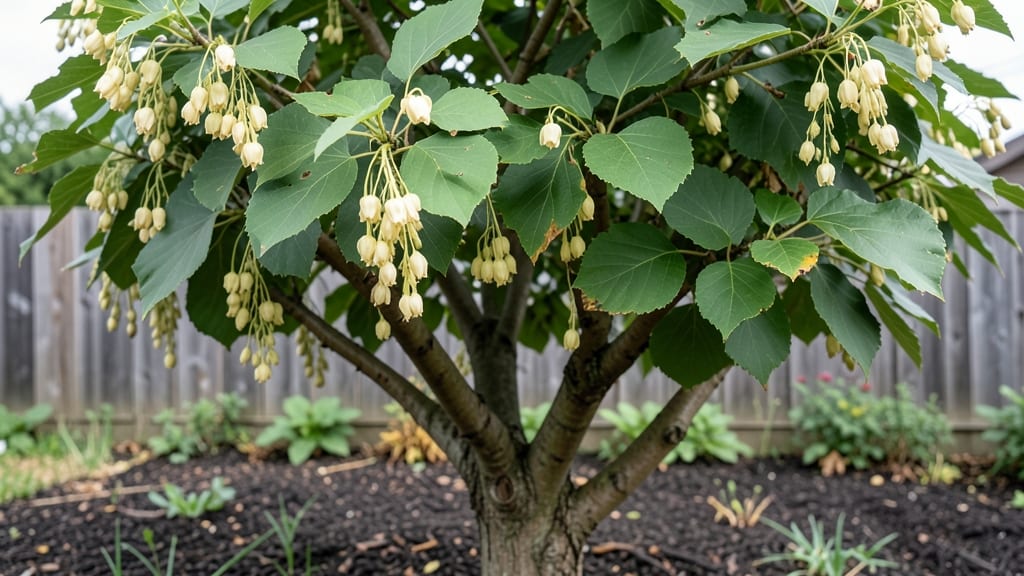
Your lime tree blooming season is the moment you’ve been waiting for—those delicate white flowers signal the start of a fruitful harvest 🌳, but timing it right means knowing exactly when to expect them.
Watching your lime tree bloom for the first time is a thrilling milestone—but when should you expect those fragrant white flowers and eventual fruit? Timing depends on your tree’s age, climate, and care, and understanding these factors can help you plan for a bountiful harvest.
Young trees may take 1-3 years to bloom, while mature ones in USDA Zone 9b can flower as early as late winter or spring, depending on winter chill exposure. In warmer regions, blooms might appear year-round, but cooler winters often trigger synchronized flowering.
Below, I’ll break down the exact blooming windows by tree age, the care tweaks that encourage flowers, and how to tell if your tree is on track—or what might be holding it back.
Lime tree blooming timeline: when to expect flowers by age and variety
If you’ve planted a lime tree and are eagerly waiting for those signature fragrant white flowers, timing is everything. Most lime trees—like the popular Persian lime or Key lime—take 1-3 years to produce their first blooms, but this varies by variety, care, and climate.
Understanding your tree’s age-based blooming window helps set realistic expectations and prepares you for a fruitful harvest.
Climate plays a huge role: Lime trees thrive in USDA zones 9-11, where warm winters and long growing seasons accelerate blooming. In cooler zones, flowering may be delayed or sporadic. Even within the same zone, dwarf varieties (like Mexican lime) often bloom earlier than their standard-sized counterparts.
For example, a 3-year-old Persian lime tree in Zone 10 might flower as early as late winter or early spring, while a 1-year-old Key lime in Zone 9 could take until spring of its second year.
Patience is key—your tree’s first blooms may be sparse, but with proper care, productivity ramps up significantly by year 5 or 6.
Here’s a quick breakdown of what to expect based on your lime tree’s age and type:
| Age | Variety | First Blooms | Peak Productivity | Climate Note |
|---|---|---|---|---|
| 1-2 years | Dwarf (Mexican, Key) | Late winter-early spring (Year 2) | Years 4-5 | Faster in Zones 10-11 |
| 2-3 years | Persian (Standard) | Spring (Year 3) | Years 6-8 | Slower in Zone 9 |
| 3+ years | Bearss (Dwarf Hybrid) | Early spring (Year 3) | Years 5-7 | Cold-sensitive |
| 4+ years | Kaffir (Ornamental) | Spring (Year 4) | Years 7-10 | Needs warm winters |
Notice how dwarf varieties like the Mexican lime or Bearss lime tend to bloom earlier than their larger counterparts. This is because their compact size allows them to allocate energy more efficiently to flowering and fruiting.
If you’re growing a standard Persian lime, expect a longer wait—these trees often prioritize height growth over reproduction in their early years.
Climate also dictates timing. In Zone 10 or 11, lime trees may bloom as early as January or February, while those in Zone 9 might not see flowers until late spring.
A sudden cold snap can shock young trees, causing them to drop buds or delay blooming entirely. To mitigate this risk, mulch heavily around the base of your tree in winter months to insulate roots.
Age isn’t the only factor—tree health and care practices play a critical role. Over-fertilizing with high-nitrogen products, for example, can stunt flowering by encouraging leafy growth instead.
Similarly, underwatering or overwatering can stress the tree, pushing back blooming by months. Aim for consistent moisture and a balanced fertilizer (like 6-6-6 NPK) to encourage healthy flowering.
Once your lime tree reaches peak productivity (typically 5+ years), you’ll see a dramatic increase in blooms and fruit. A mature Persian lime tree can produce hundreds of flowers in a single season, though not all will turn into fruit.
Factors like pollination success, pest pressure, and nutrient availability will determine your final harvest.
If your lime tree is past 3 years old but hasn’t bloomed yet, don’t panic—it might just need a little encouragement. Try light pruning in late winter to remove dead wood and open the canopy for better sunlight penetration.
You can also apply a phosphorus-rich fertilizer (like bone meal) in early spring to boost flowering.
Remember, every lime tree has its own pace. While some may surprise you with early blooms, others take their time. The key is to provide the right care and conditions so your tree can focus its energy on producing those beautiful, fragrant flowers—and eventually, juicy limes. 🌳
How to speed up lime tree blooming: pruning, fertilizing, and care tips
If your lime tree seems slow to bloom, don’t worry—with the right care, you can encourage those fragrant white flowers to appear sooner. The key lies in understanding your tree’s needs, from pruning techniques to soil pH and nutrient balance.
Many gardeners overlook these details, but small adjustments can make a big difference in blooming timing. Let’s dive into actionable strategies to help your lime tree thrive and flower faster.
First, recognize that lime trees are sensitive to their environment. A well-timed pruning in late winter or early spring can remove dead or overcrowded branches, allowing more energy to focus on flowering. Pair this with the right fertilizer ratios, and you’ll create the perfect conditions for blooms.
But be cautious—too much nitrogen can delay flowering by encouraging leafy growth instead. Let’s break down the essential steps to speed up the process.
- 1 Prune in late winter—Remove dead or crossing branches to improve airflow and sunlight exposure. Avoid heavy pruning in summer, as this can stress the tree and delay blooming.
- 2 Adjust soil pH to 6.0–7.5—Lime trees thrive in slightly acidic to neutral soil. Test your soil and amend with lime or sulfur as needed. Poor pH can stunt growth and delay flowering.
- 3 Use a balanced fertilizer with an NPK ratio of 6-6-6 or 8-3-9. Avoid high-nitrogen fertilizers, which promote leafy growth at the expense of flowers. Apply in early spring and summer only.
- 4 Water deeply but infrequently—Lime trees hate soggy roots. Water once a week in summer and reduce to bi-weekly in fall/winter. Mulch around the base to retain moisture and regulate soil temperature.
- 5 Avoid winter fertilization—Lime trees enter dormancy in winter. Fertilizing during this time can shock the tree and disrupt blooming cycles. Wait until early spring to resume feeding.
One common mistake gardeners make is over-pruning during the growing season. Heavy summer pruning can stress your lime tree, diverting energy away from flower production. Instead, focus on light shaping cuts in late winter to encourage new growth and blooms.
Pair this with consistent watering—lime trees need deep, infrequent watering to develop strong roots, which support better flowering.
For potted lime trees, container size matters. If your tree is root-bound, it will struggle to bloom. Repot into a slightly larger container every 2–3 years and use a well-draining citrus mix.
Ensure the pot has drainage holes to prevent root rot, a silent killer that can delay blooming. With the right container and care, even dwarf varieties can produce flowers and fruit more reliably.
Finally, monitor for pests like aphids or scale insects, which can weaken your tree and reduce flowering. Use a hose to blast off pests or apply neem oil for organic control.
A healthy tree is a blooming tree, so stay vigilant and enjoy the sweet scent of those first lime blossoms!