
Blooming
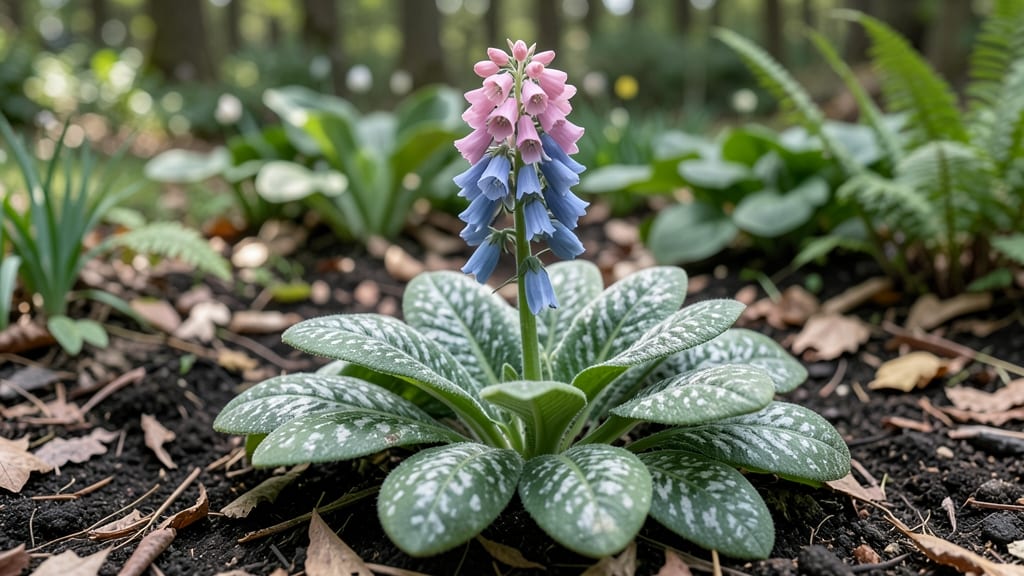
The lungwort bloom time arrives when soil warms to 50°F—earlier than most perennials. 🌿 I’ve watched mine push through snow in Zone 5, while friends in Zone 7 see blooms by late February.
The timing varies by species: Pulmonaria officinalis often flowers first, followed by P. saccharata’s showier spikes. The secret to reliable blooms? Consistent moisture in late winter. Lungwort roots shallow, so mulch heavily to prevent drying. I’ve seen plants bolt in hot summers—shade helps extend their season.
Even the spotted foliage (that’s why it’s called lungwort!) stays vibrant when watered right. You’ll get 4-6 weeks of those velvety purple flowers, followed by seed heads that birds adore. Prune spent blooms to encourage a second flush in cooler climates.
The foliage alone makes it a star, but the blooms? Pure magic in early spring. Works in partial shade or dappled sun, from Zones 3-8. Perfect for woodland gardens, cottage borders, or even container plantings. Here’s how to coax those spikes year after year!
📚 In This Guide
- What you need
- Instructions
- Tips and common mistakes
- Wrapping up and next steps
What you need
- ● Lungwort plants (Pulmonaria spp.) – Choose Pulmonaria officinalis or Pulmonaria longifolia for reliable blooms. Quantity: 1-3 plants per 2-3 sq ft of garden space (or 1 plant per 1-gallon container for pots).
- ● Well-draining soil mix – A blend of 50% garden soil, 30% compost, and 20% perlite/sand (for aeration). pH preference: 6.0–7.0 (slightly acidic to neutral).
- ● Organic mulch – 2–3 inches of shredded bark, straw, or leaf mold to retain moisture and regulate soil temp.
- ● Balanced fertilizer – 5-10-5 or 10-10-10 (organic options like fish emulsion or worm castings work too). Dosage: ½ tsp per plant at planting + monthly during active growth.
- ● Watering can or hose with gentle spray nozzle – Lungwort prefers consistent moisture but hates soggy roots.
- ● Garden trowel or transplant spade – For digging holes (depth: 2x the root ball; spacing: 12–18 inches apart).
- ● Pruners (sterilized) – To trim dead foliage post-bloom or shape plants.
- ○ Heat-tolerant companion plants (optional) – Pair with heuchera, hostas, or ferns for shade-friendly pairings.
- ● Shade cloth (30–50%) – If your zone gets hotter than 85°F (29°C), use this to protect plants during peak summer.
- ● Seed-starting kit (if growing from seed) – Includes seed trays, grow lights, and seedling heat mat (for indoor starts). Note: Lungwort seeds need stratification (cold treatment) to germinate!
- ● Zones 3–5 (Cold Climates) – Plant in early spring (March–April) to establish roots before summer heat. Pro tip: Use a thick mulch layer to protect roots in winter!
- ● Zones 6–8 (Mild/Warm Climates) – Plant in fall (September–October) or early spring to avoid summer drought stress.
How to time lungwort blooms for stunning purple spikes
Lungwort’s vibrant purple blooms arrive when soil warms—here’s how to predict and encourage them.
🌱 Step 1: Understand Your Hardiness Zone’s Heat Trigger
Lungwort typically blooms in late spring to early summer, but exact timing depends on your USDA hardiness zone. In zones 3-5, expect blooms in May to June when soil temperatures reach 55-60°F. Warmer zones (6-8) see flowers April to May as winter’s chill lifts.
Here’s the rule I follow: Wait until nighttime lows stay above 40°F consistently—that’s lungwort’s signal to push up those iconic purple flower spikes. If your zone runs cooler, blooms may arrive later, but the plant rewards patience with 3-4 weeks of vibrant color.
☀️ Step 2: Monitor Soil Temperature for Peak Blooming
Use a soil thermometer (or your finger—damp but not cold soil is ideal) to track when temperatures hit 55°F. Lungwort’s roots need warmth to break dormancy, but don’t rush it with heat mats—this perennial thrives on natural seasonal cues. If your spring is unusually cold, blooms may delay by 1-2 weeks.
Watch for new basal leaves emerging in early spring—that’s your first clue the plant is waking up. Once leaves reach 2-3 inches tall, count 4-6 weeks until buds form. In my zone 5 garden, I’ve seen blooms arrive as early as late April in warm years or as late as mid-June after a chilly April.
💧 Step 3: Adjust Watering to Encourage Strong Flower Stems
Lungwort blooms best when soil stays consistently moist but not soggy during the 6 weeks before flowering. Water deeply once a week (more in drought) until the top 2 inches of soil feel damp. Too little water stresses the plant, while overwatering can rot the crown and delay blooms.
I like to water at the base in the morning to avoid fungal issues. If your area has hot, dry winds, increase frequency to every 3-4 days—wilting leaves mean the plant’s energy goes to survival, not flowering. A healthy lungwort will send up 3-6 sturdy flower spikes per mature plant.
✂️ Step 4: Deadhead and Prune for Next Year’s Blooms
Once the purple spikes fade, snip them back to the base (but leave the basal rosette intact). This redirects energy to next year’s growth. I use clean, sharp shears to avoid damaging the leaves, which store nutrients for dormancy. If you skip this step, the plant may produce fewer blooms the following season.
After flowering, reduce watering slightly but keep soil lightly moist until fall. Lungwort’s thick leaves help retain moisture, but a thin layer of mulch (like the 2 inches of shredded bark I use) protects roots through winter. In zones 3-4, a light frost blanket can extend blooms into early summer.
⏰ Step 5: Plan for Long-Term Bloom Reliability
Lungwort matures over 3-4 years, with the most dramatic blooms appearing after year 2. To ensure consistent purple spikes, divide clumps every 3-4 years in early spring or fall. Simply dig up the plant, separate the rosettes, and replant—each division will bloom within 1-2 seasons.
Here’s the thing—I’ve seen lungwort thrive in partial shade to full sun, but morning sun + afternoon shade produces the most robust blooms. If your garden runs hot, dappled shade prevents leaf scorch while still triggering flowering. With patience, a single plant can spread into a stunning ground cover with years of purple spikes.
Tips & tricks for perfect lungwort bloom timing
These practical insights will help you coax out those stunning purple spikes with confidence.
Zone-Specific Watch List: Pay attention to your local weather service's nighttime lows—consistent temperatures above 40°F trigger lungwort's blooming cycle. In my zone 5 garden, I've noticed that when nighttime lows dip below 40°F for more than 3 nights in a row, the buds often fail to open properly. Keep a simple garden journal noting these temperature fluctuations alongside your observations of new leaf growth.
Soil Temperature Secret: The 55°F soil temperature threshold is your golden number, but don't rely solely on a thermometer. Press your finger into the soil—it should feel warm like a freshly baked loaf of bread, not cold like a refrigerator shelf. This tactile check helps you verify the reading without needing equipment, especially useful when you're out in the garden and don't have your thermometer handy.
Watering Wisdom: Those 6 weeks before flowering are critical for building strong stems capable of supporting the purple spikes. I've found that using a moisture meter (the kind that looks like a pencil) helps me gauge when to water—aim for readings between 30-40% moisture in the top 2 inches of soil. This prevents both underwatering stress and overwatering that can delay blooms. In drought conditions, I increase my watering frequency to every 3-4 days while still maintaining that same moisture level.
Pruning Precision: When deadheading those faded purple spikes, make your cuts clean and precise right at the base where the stem meets the rosette. I use small floral scissors for this task—they give me better control than shears and leave a cleaner cut. The key is to remove only the spent flower stems while leaving the basal leaves intact. These leaves are the plant's energy storage system for next year's blooms, so protect them carefully.
Pro Tips for Lungwort Bloom Time
- These practical insights will help you coax out those stunning purple spikes with confidence.
- Zone-Specific Watch List: Pay attention to your local weather service's nighttime lows—consistent temperatures above 40°F trigger lungwort's blooming cycle.
- Soil Temperature Secret: The 55°F soil temperature threshold is your golden number, but don't rely solely on a thermometer.
Frequently asked questions
Got questions about lungwort’s bloom time and those stunning purple spikes? You’re not alone!
Here are answers to the most common queries—from timing tricks to troubleshooting tips.
When does lungwort typically bloom?
Lungwort (Pulmonaria) usually blooms in early to mid-spring, often between March and May, depending on your hardiness zone (Zones 3–8). The flowers emerge before the foliage fully unfurls, creating a striking contrast. Cooler climates may see blooms earlier, while warmer zones might delay them slightly.
How long does lungwort stay in bloom?
Expect 3–6 weeks of vibrant color! Lungwort’s flowers fade gradually, but the foliage remains attractive year-round. For extended blooms, deadhead spent spikes (gently snip with scissors) or choose varieties like Pulmonaria ‘David Ward’, which often rebloom in fall under ideal conditions.
Why isn’t my lungwort blooming?
Common culprits include:
- Too much shade: Lungwort thrives in partial shade but needs 4–6 hours of light for blooms.
- Over-fertilizing: Rich soil can boost foliage but reduce flowers. Use a low-phosphorus fertilizer (like 5-10-5) in early spring.
- Crowded roots: Divide clumps every 3–4 years to refresh growth.
Can I force lungwort to bloom earlier?
While you can’t guarantee an earlier bloom, these tricks may help:
- Move pots to a sunny windowsill in late winter for a 2–3 week head start.
- Apply a thin layer of compost in early spring to wake up roots.
- Avoid heavy mulch in Zone 5+—it can delay spring warmth.
What’s a good alternative if lungwort blooms late?
Pair lungwort with early spring bloomers like:
- Crocus (February–March)
- Hellebore (Lenten Rose) (March–April)
- Bleeding Heart (Dicentra) (April–May)
Wrapping up and next steps
Watching lungwort burst into vibrant purple blooms is a rewarding experience for any gardener! 🌸 Whether you're in Zone 3-9, understanding its heat-triggered bloom time helps you create the perfect conditions for this stunning perennial.
With the right soil, sunlight, and care, you’ll enjoy its striking spikes year after year.
Ready to level up your garden? Start by marking your lungwort’s location and observing its growth patterns. Next season, adjust your care routine based on what you’ve learned—whether it’s adding mulch for moisture retention or providing afternoon shade. Happy gardening! 🌱