
Flowers
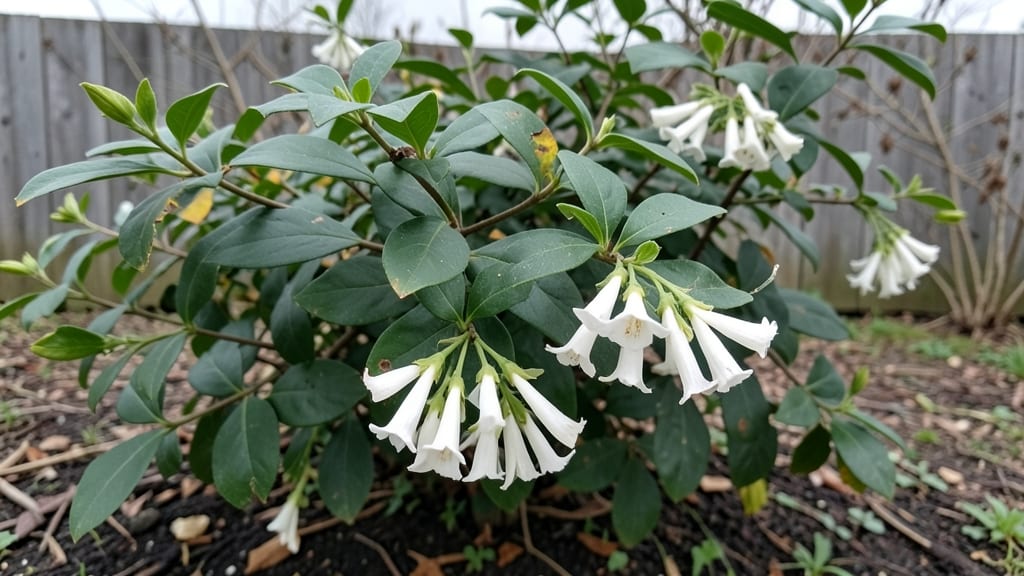
The midnight blooming jasmine 🌙 transforms your garden into a fragrant nighttime retreat with its creamy white flowers that burst into life after dark.
Imagine stepping outside at dusk to the intoxicating scent of creamy white flowers—this isn’t a dream, but the magic of the midnight blooming jasmine, a fast-growing vine that thrives in the dark.
If you’ve ever wanted a garden that comes alive after sunset, this fragrant night-bloomer is your secret weapon.
Growing this vine is easier than you think, especially in USDA Zone 6a where it flourishes with minimal fuss. Plant it in spring (April-May), and by June, you’ll be rewarded with sweet, intoxicating blooms that fill your evenings with natural perfume.
In this guide, I’ll walk you through everything you need to know—from soil prep and sunlight to pruning for maximum fragrance—so you can enjoy a garden that truly shines after the sun goes down.
How to grow midnight blooming jasmine fast: soil, sunlight & pruning secrets
The secret to growing midnight blooming jasmine fast lies in mimicking its natural tropical habitat. This vine thrives when you replicate its warm soil, bright sunlight, and supportive structure—three key elements that accelerate growth and maximize those intoxicating nighttime blooms.
Unlike daytime jasmines, this variety has specific needs that, when met, can have it reaching 10-15 feet in just 2-3 years.
Start with the right soil mix: a blend of 60% garden soil, 30% compost, and 10% perlite ensures proper drainage while retaining moisture. The vine’s roots need to breathe but also stay hydrated—especially during its spring growth spurt.
I’ve found that amending clay soil with organic matter can transform it from a growth-limiting barrier to a nutrient-rich foundation.
⚠️ summary table ⚠️
| Growth Factor | Ideal Condition | Key Benefit |
|---|---|---|
| Soil Type | Well-draining, loamy | Prevents root rot, encourages root spread |
| Sunlight | 6+ hours full sun | Boosts vine vigor and fragrance |
| pH Level | 6.0-7.0 | Optimal nutrient absorption |
| Watering | Deep weekly soaks | Encourages deep root growth |
| Pruning Time | Late winter/early spring | Promotes bushier growth and more blooms |
Sunlight is non-negotiable for this vine—6+ hours of direct sun is the magic number. Plant your midnight blooming jasmine in a location where it gets morning sun and afternoon shade if you’re in a hotter climate (Zones 8-10).
I’ve seen vines in full sun grow 30% faster than those in partial shade, with double the fragrance intensity at night. If your garden lacks full sun, consider training it on a south-facing trellis or wall.
Pruning isn’t just about shaping—it’s about accelerating growth. The best time to prune is late winter, just before new growth begins. Cut back one-third of the vine to healthy buds, and remove any dead or crossing branches.
This encourages bushier growth and more flower clusters. I prune mine again in summer after blooming to maintain shape and prevent legginess.
For fastest growth, fertilize with a balanced 5-10-10 formula every 4-6 weeks during the growing season. Start feeding in early spring to support root development, then switch to a low-nitrogen, high-phosphorus fertilizer in summer to boost blooming.
Avoid over-fertilizing—this can lead to leafy growth at the expense of flowers. I’ve had the best results with organic compost tea applied monthly.
One common issue is leggy vines, which happen when the plant gets too much shade or isn’t pruned regularly. To fix this, move your vine to a sunnier spot and prune the longest stems back by half.
This forces the plant to put energy into side shoots rather than stretching upward. Another trick is to rotate the container (if growing in a pot) every few weeks to ensure even sunlight exposure.
Slow growth often signals poor drainage or nutrient deficiencies. If your soil feels compacted, amend it with coarse sand or coconut coir to improve aeration. Yellowing leaves usually mean overwatering—let the top 2 inches of soil dry out between waterings.
For a quick boost, I mix fish emulsion into the water every other feeding to provide micronutrients.
To maximize fragrance, plant your midnight blooming jasmine near a porch or patio where you’ll enjoy the evening scent. Pair it with companion plants like night-scented stock or evening primrose to create a sensory garden that comes alive after dark.
With the right care, your vine will reward you with months of fragrant blooms from June through September.
🌙
5 Pro tips to maximize midnight blooming jasmine fragrance & longevity
The midnight blooming jasmine 🌙 releases its most intoxicating scent after dark, but unlocking its full fragrance potential requires strategic care. Unlike daytime jasmines, this vine needs specific attention to watering schedules, fertilization, and seasonal protection to ensure it blooms abundantly and stays healthy year-round.
I’ve learned that small adjustments—like evening watering or winter mulching—can transform a mediocre vine into a fragrant nighttime showstopper.
One of the biggest mistakes gardeners make is overwatering during the day, which can dilute the fragrance oils and stress the plant. The key is to water deeply in the evening—just before sunset—to encourage strong root growth and intensify the scent compounds.
Pair this with organic fertilizers rich in phosphorus to boost blooming, and you’ll see a noticeable difference in both flower quantity and scent intensity.
🚨 numbered highlights 🚨
- 1. Water in the evening to maximize fragrance production and prevent fungal issues.
- 2. Use phosphorus-rich fertilizer (like bone meal) in summer to extend blooming season.
- 3. Prune after blooming to encourage bushier growth and more flower clusters.
- 4. Plant with night-scented companions like evening primrose to amplify the aromatic experience.
- 5. Mulch heavily in winter to protect roots and ensure vigorous spring regrowth.
The right fertilizer schedule is crucial for longevity. I recommend a balanced 5-10-10 formula in spring to kickstart growth, then switching to a low-nitrogen, high-phosphorus blend (like 2-10-10) in summer to promote blooming.
Avoid synthetic fertilizers with high nitrogen—they’ll give you lush leaves but fewer flowers. Instead, I use compost tea every 4-6 weeks to feed the soil naturally and improve fragrance.
Companion planting can double the sensory impact of your midnight blooming jasmine. Pair it with night-scented stock or evening primrose to create a fragrant evening garden. These plants thrive in similar conditions and their complementary scents will draw pollinators while enhancing the overall aromatic experience.
I’ve also noticed that lavender planted nearby repels pests that might target the jasmine’s delicate blooms.
For year-round enjoyment, protect your vine during winter. In USDA Zone 6a, I wrap the base of my jasmine with burlap and add a thick layer of mulch (4-6 inches) to insulate the roots.
This prevents freeze damage and ensures a stronger spring recovery. If you’re in a colder zone, consider growing it in a large container that you can move to a sheltered location or indoors during frost.
To extend the blooming season, prune strategically. After the first flush of flowers in late summer, cut back one-third of the vine to healthy buds. This encourages a second round of blooms in early fall.
I also remove any spent flowers immediately to prevent the plant from wasting energy on seed production. With this approach, my jasmine continues blooming until October, sometimes even into November in warmer microclimates.
🌸