
Flowers
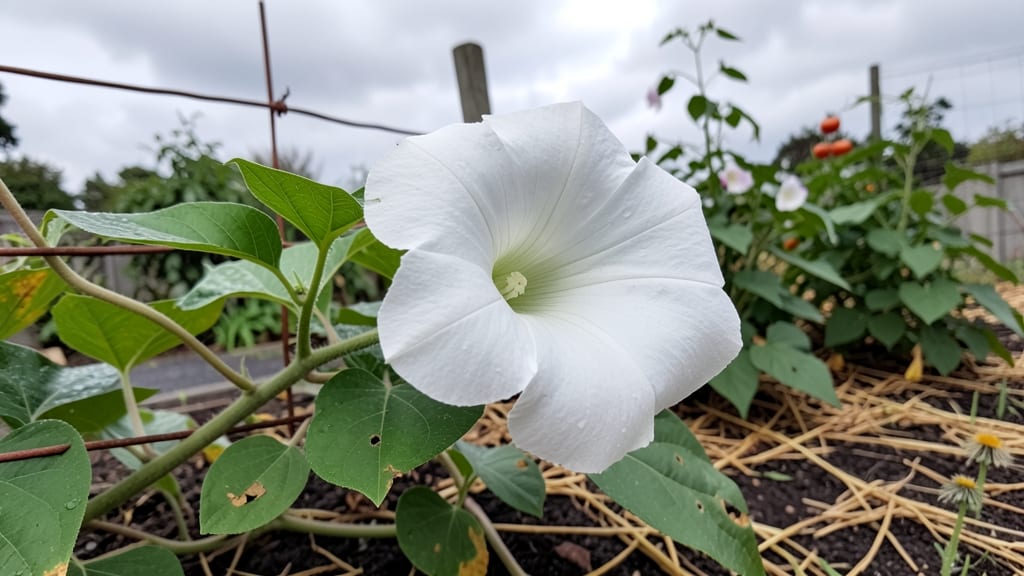
Moon flower blooming transforms your garden into a nighttime spectacle, with silvery petals unfurling only after dark.
Watching your 🌙 moon flower bloom under the moonlight is a magical experience—but timing is everything. If you’ve ever planted seeds in spring only to wait months for those first nocturnal blooms, you know how frustrating it can be.
This guide reveals the exact months moon flowers bloom in USDA Zone 6a, how moonlight and temperature trigger their cycles, and simple care tweaks to coax earlier—and longer—blooming seasons.
You’ll discover the ideal planting window for your climate, how to read your plant’s signals, and even which companion plants keep the show going all summer long.
When do moon flowers bloom? Exact months by climate Zone
Moon flowers (Ipomoea alba) are famous for their nocturnal blooming habit, unfurling their silvery-white petals only after sunset. But their exact blooming windows depend heavily on your USDA climate zone, temperature shifts, and daylight exposure.
In warmer zones like 7-11, you might see blooms as early as June, while cooler zones like 7-8 often wait until July or August. Understanding these patterns helps you plan for the most magical evening displays in your garden.
The moon flower’s blooming cycle is triggered by longer nights and warmer temperatures, which vary dramatically across regions. For example, in Zone 11, blooms may appear year-round, while Zone 7 gardeners should expect a summer-to-fall show.
Even within the same zone, microclimates—like urban heat islands or coastal breezes—can shift blooming by 2-4 weeks. Let’s break down the exact months and triggers for each zone to help you anticipate (and extend!) your moon flower’s nocturnal spectacle.
🌱
| USDA Zone | Primary Blooming Window | Secondary Blooming Window | Key Trigger | Regional Notes |
|---|---|---|---|---|
| 7a-7b | Late July - Early September | Occasional blooms in June (if warm) | Nighttime temps >70°F | Cooler mornings delay opening |
| 8a-8b | June - August | September (if mild) | Daylight <14 hours | Humidity extends blooming |
| 9a-9b | May - September | April (early varieties) | Consistent 75°F+ nights | Drought stress shortens season |
| 10a-10b | April - October | Year-round in sheltered spots | Minimal temperature swings | Prune to encourage fall rebloom |
| 11 | March - November | None (continuous) | Tropical humidity triggers blooms | Needs afternoon shade to prevent stress |
In USDA Zones 7-8, moon flowers typically bloom in late summer, aligning with the longest nights of the year. The primary trigger is nighttime temperatures consistently above 70°F, which signals the plant to open its buds after dark.
If your summer is unusually cool—like in Zone 7b—blooms may push into early September. Conversely, Zone 8a gardeners often see blooms start as early as June if daytime highs reach 85°F+, creating the ideal day-night temperature contrast.
For Zones 9-11, the blooming window expands dramatically. In Zone 9, you’ll likely see two distinct waves: an early spring bloom (April-May) followed by a summer-to-fall show (June-September).
The secondary blooms in fall occur because the plant responds to shorter daylight periods, mimicking its natural tropical origins. In Zone 10b and 11, moon flowers can bloom year-round if conditions are ideal, though they may take a brief pause during monsoon seasons or extreme heat waves.
🌙
One critical factor across all zones is daylight length. Moon flowers are short-day plants, meaning they bloom in response to 12 hours or less of daylight.
This explains why spring varieties (like those in Zone 9) may bloom earlier—they’re adapted to longer nights in their native habitats. To extend your blooming season, consider pruning spent blooms in early fall.
This removes the energy drain from seed production, encouraging the plant to focus on new flower buds for a second flush of blooms.
Regional variations also play a role. For example, coastal Zone 9 gardens may experience delayed blooming due to cooler ocean breezes, while inland areas in the same zone might see blooms 2-3 weeks earlier.
Similarly, urban heat islands in Zone 7 can push blooming into early July, while rural areas may wait until mid-August. Pay attention to your local microclimate—even a 5°F difference can shift blooming by 10-14 days.
💧
If you’re in a cooler zone (7-8) and want to advance blooming, try mulching heavily in early summer to retain soil heat. A 3-inch layer of straw or wood chips can raise soil temps by 5-10°F, creating the ideal conditions for earlier bud formation.
Conversely, in hot zones (10-11), provide afternoon shade during peak summer to prevent bud drop from heat stress. A lightweight shade cloth (30-50%) can make a huge difference in maintaining consistent blooming throughout the year.
Finally, moonlight itself plays a subtle but important role. While moon flowers don’t require moonlight to bloom, clear nights with a full moon can enhance fragrance and prolong petal life. This is why gardeners in low-light-pollution areas often report more vibrant displays on moonlit evenings.
If you’re in a city with heavy light pollution, consider strategic lighting (like warm LED uplights) to mimic natural conditions and boost nocturnal beauty.
How to trigger moon flower blooming: light, water & soil secrets
Moon flowers (Ipomoea alba) are nighttime stars that rely on precise conditions to bloom. While they naturally open under moonlight, you can accelerate and extend their flowering with the right care.
The key lies in mimicking their natural nocturnal triggers—light exposure, hydration, and soil balance. Let’s unlock the science-backed secrets to coax your moon flowers into spectacular evening displays.
First, understand that moon flowers are photoperiod-sensitive, meaning their blooming cycle responds to daylight length. In USDA zones 7-11, they typically bloom from June through September, but with the right adjustments, you can push this window earlier or later.
Start by ensuring your plants receive 6+ hours of sunlight daily, even if they bloom at night.
⚠️ Critical Mistake: Overwatering at Night
Moon flowers detest soggy roots when blooming. Watering after sunset increases fungal risks like powdery mildew, which can stunt blooms. Instead, water deeply in the morning (500-750ml per plant) to give roots time to dry slightly before evening. Never let soil stay waterlogged—this triggers stress and delays flowering.
Next, focus on soil pH and nutrients. Moon flowers thrive in slightly acidic to neutral soil (pH 6.0-7.0).
Test your soil—if it’s too alkaline (pH 7.5+), amend with peat moss or sulfur to lower pH. During the active growing season (April-September), feed with a balanced fertilizer (5-10-10) every 4-6 weeks. Avoid high-nitrogen fertilizers, which promote foliage over flowers.
Pruning plays a surprising role in extending blooms. Deadhead spent flowers immediately after sunrise to redirect energy to new buds. Additionally, trim back overly vigorous vines in early summer to encourage secondary flowering.
Use clean, sharp pruners and sterilize them with rubbing alcohol to prevent disease. This simple step can add 2-3 weeks to your blooming season.
For nighttime light exposure, avoid artificial lights near your plants after dark. Moon flowers rely on natural moonlight cues—bright porch lights or street lamps can confuse their blooming cycle.
If you’re growing in low-light conditions (e.g., partial shade), supplement with a red-light LED grow bulb for 2-3 hours in the evening to mimic dusk. This trick works especially well in USDA zone 6 or cooler climates where nights are shorter.
Finally, monitor temperature fluctuations. Moon flowers prefer warm evenings (70-80°F) but can tolerate brief dips to 55°F. If nights drop below 50°F, protect plants with frost cloth or move potted vines to a sheltered spot.
Cold stress delays blooming, so mulch heavily around the base in late summer to insulate roots. With these adjustments, your moon flowers will reward you with longer, more frequent nocturnal displays.