
Blooming
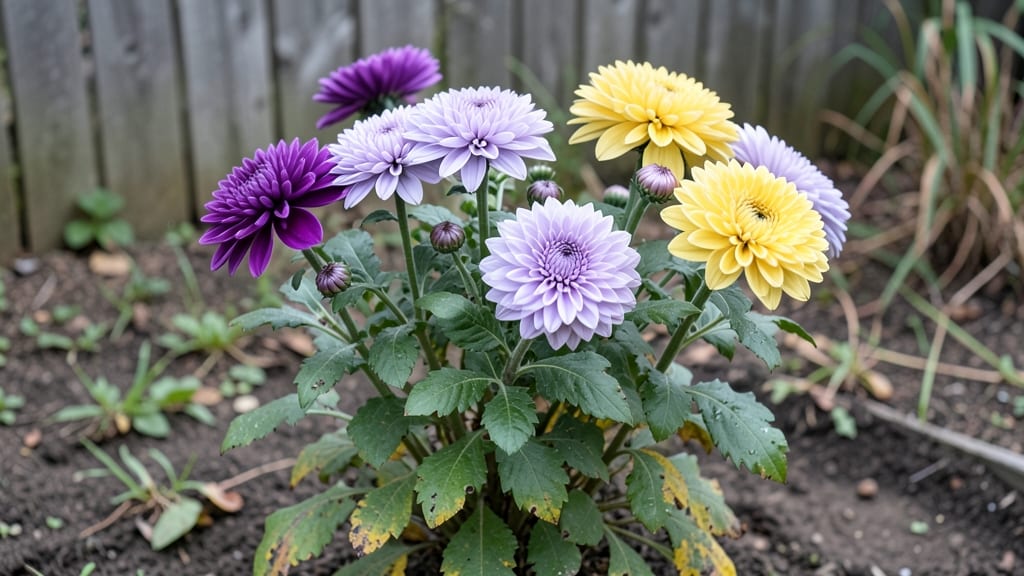
Mums bloom season typically runs from mid-autumn through early winter, peaking in October and November in most U.S. regions, though cooler climates may extend blooms into December. Proper sunlight and temperature shifts trigger their vibrant fall displays.
These hardy perennials rely on cooler temperatures and shorter daylight hours to kickstart their flowering cycle—think of it like their biological clock reset for fall. 🌿 In regions with milder winters, like Zone 9, you might even catch late blooms in December, while northern areas (like Zone 5) see their peak earlier in October.
The key? A mix of 60-70°F daytime temps paired with crisp nights—too much heat delays the show, while early frost can cut blooms short.
💡 In This Article
- Climate Factors That Trigger Mum Flowering
- Best Mum Varieties for Extended Fall Color
Climate factors that trigger mum flowering
Here's what's actually happening in your garden: mums use a process called vernalization—a cold-dependent flowering response—to time their blooms. When daytime temperatures hover around 65-75°F but nights drop to 50-55°F, it sends a signal to the plant's meristem (growth points) to transition from vegetative growth to flower production.
This temperature range is critical because it mimics the natural shift from summer to autumn, tricking the plant into thinking it's time to reproduce. 🌡️ Most varieties need about 4-6 weeks of these cooler conditions to fully trigger blooming.
The length of daylight also plays a starring role—mums are short-day plants, meaning they flower best when days shorten to 10-12 hours of sunlight. In Zone 5 (like Minnesota), this happens by early October, while Zone 9 (like Florida) might not see these shorter days until November.
What's fascinating is that artificial light can delay blooming if left on too long at night—this is why gardeners in warm climates often use shade cloth to reduce daylight hours artificially and encourage flowering.
Soil conditions act as the final piece of the puzzle. Mums thrive in soil with a pH of 6.0-6.5 (slightly acidic), which helps them absorb essential nutrients like phosphorus that fuel flower development. Moisture levels matter too—consistent dampness (but not soggy soil) ensures the plant can transport these nutrients efficiently.
A 1-inch layer of mulch helps maintain even moisture and protects roots from temperature swings that could stress the plant before it blooms. 🌱
Frost is the wildcard that can either extend or cut short the show. A light frost (28-32°F) often enhances color intensity by slowing metabolism, while a hard freeze (below 28°F) can damage buds and shorten the season.
In Zone 6, for example, gardeners might see blooms last until Thanksgiving, but a sudden cold snap could trim that to early November. The key is to plant in locations with afternoon sun protection (like near buildings) to delay heat buildup during the day while still allowing cool nights.
Regional variations create stunning differences in bloom timing. In Zone 7 (like Virginia), you'll typically see peak color in late October, while Zone 8 (like Texas) might stretch blooms into December. The secret to longer displays?
Choose varieties bred for your climate zone—'Autumn Joy' thrives in cooler areas, while 'Purple Dome' handles heat better. Even a 5°F difference in average nighttime temps can shift bloom windows by 2-3 weeks. 🌿
What most people don't realize is how humidity affects bloom quality. High humidity (like in the Southeast) can lead to fungal issues that weaken plants before they flower, while dry conditions (like in the Southwest) might cause buds to dry out.
The sweet spot is 40-60% humidity—this keeps petals crisp and vibrant. For gardeners in challenging climates, strategic watering (deep but infrequent) and proper spacing (12-18 inches apart) create microclimates that optimize these conditions.
Here's your actionable takeaway: To maximize mum blooms, monitor your local 10-day forecast for temperature drops and adjust care accordingly. If nights stay warm, provide afternoon shade with 30-50% shade cloth to mimic autumn conditions.
And remember—healthy soil is your best investment. A simple soil test can reveal if your garden's pH or nutrient levels need adjustment before planting season. 💫