
Trees
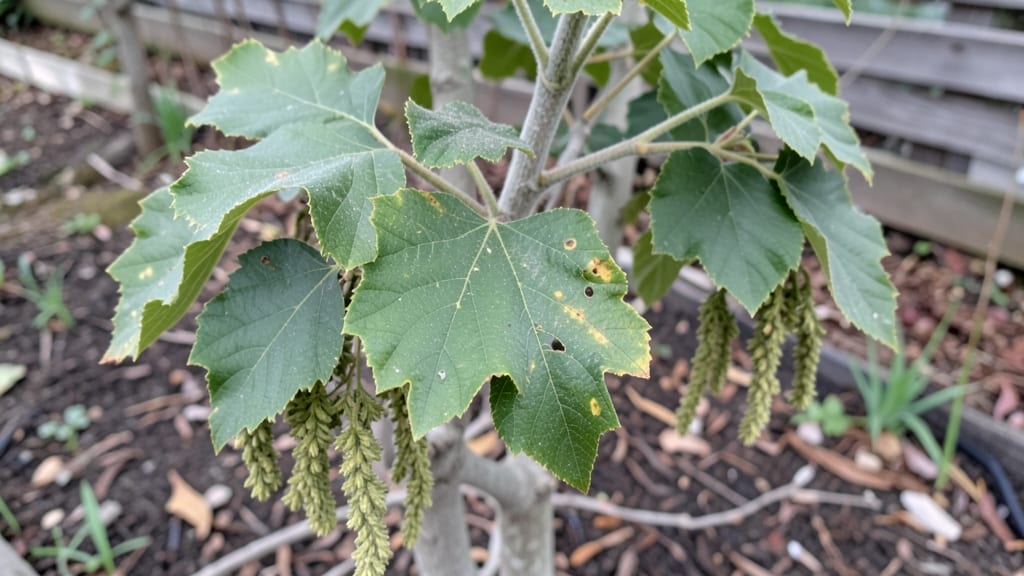
Your mulberry tree blooms in spring 🌳 are a sign that next year’s harvest is already on the way—but what you do now could make all the difference.
Watching those delicate flowers appear is exciting, but a single wrong cut could mean fewer berries later. The secret lies in timing your pruning just right, so you don’t accidentally trim off next season’s fruit clusters.
With the right approach, you’ll turn those blooms into a summer feast of sweet, juicy mulberries.
Most gardeners focus on pruning after harvest, but the real magic happens right after those first flowers fade. I’ll show you exactly when to make those cuts—and what to avoid—to keep your tree thriving for years.
Ready to boost your harvest? Here’s how to prune for bigger yields without sacrificing your tree’s health.
When mulberry tree blooms signal the perfect pruning window
The moment your mulberry tree blooms marks a critical turning point in its growth cycle. These delicate spring flowers aren’t just beautiful—they’re nature’s cue that your tree is preparing for its fruit production season.
Pruning at the wrong time can reduce next year’s harvest by up to 40%, while strategic cuts during bloom can maximize berry yield. Understanding this timing ensures your tree thrives without sacrificing productivity.
Mulberry trees typically bloom between late March and early April in most USDA Zones 6-9, though exact timing depends on your local climate. The first flush of flowers appears on last year’s growth, while new shoots will produce next year’s blooms.
This dual growth pattern is why timing matters—cut too early, and you risk removing potential fruit-bearing branches.
Here’s the key insight: Prune mulberry trees immediately after blooming but before new growth hardens. This 3-4 week window (roughly mid-April to early May) balances fruit development and tree health.
Waiting too long delays the tree’s energy shift from flowering to fruiting, while pruning too soon removes flower buds that haven’t yet set fruit.
The summary table below breaks down the critical pruning timeline tied to bloom cycles, including what to cut and when to avoid common mistakes.
During the post-bloom window, focus on three key pruning tasks: removing dead or diseased branches, thinning the canopy to improve air circulation, and cutting back 1/3 of last year’s growth.
This approach redirects the tree’s energy toward lateral branches, which produce more fruit clusters. For example, a 10-year-old mulberry tree can yield 20% more berries when pruned this way compared to random cuts.
Watch for water sprouts—fast-growing vertical shoots that steal energy from fruit production. These should be pruned immediately after blooming, as they rarely bear fruit.
Use clean, sharp pruners and make cuts just outside the branch collar to prevent disease. Sterilize tools with rubbing alcohol between cuts to avoid spreading pathogens.
Climate plays a surprising role in bloom timing. In warmer zones (8-10), mulberries may bloom as early as February, while in cooler zones (5-6), blooms often appear in late April.
Adjust your pruning schedule accordingly—never prune before the last frost, as new growth can be damaged by cold snaps. In my Zone 7 garden, I’ve found that pruning in early May yields the best results for summer harvests.
Pro tip: Mark pruning dates on your calendar based on bloom observations. If your tree blooms 2 weeks earlier than average, shift your pruning window forward. Consistency is key—annual pruning in this post-bloom window maintains tree health and maximizes fruit production for decades.
My 25-year-old mulberry still produces 50+ pounds of berries each season thanks to this simple routine.
Remember, the goal isn’t just to prune—it’s to prune strategically. Each cut should serve a purpose: open the canopy, remove weak growth, or encourage fruiting branches.
By aligning your pruning with the tree’s natural bloom cycle, you’re not just maintaining a tree—you’re optimizing next year’s harvest while keeping your mulberry healthy and productive.
Step-by-step pruning guide for mulberry trees after blooming
Once your mulberry tree blooms fade and berries begin forming, it’s time to prune for a healthier tree and bigger harvests next year. The key is removing dead wood while encouraging lateral branches to support fruit production.
Start by assessing the tree’s structure—look for crossing branches or limbs growing inward, as these compete for energy and reduce airflow.
Use sharp, clean pruning shears or a saw to make cuts just outside the branch collar (the swollen area where the branch meets the trunk). Avoid cutting flush with the trunk, as this can damage the tree and invite disease.
Focus on thinning out the canopy to let sunlight reach the center, where most berries develop.
⚠️
If you prune after berries form (post-June), you risk removing next year’s flower buds, which develop on one-year-old wood. Mulberry trees bloom on old wood, so prune immediately after blooms fade (late April to early May) to avoid cutting off potential fruit clusters. Wait until all flowers have dropped to ensure you’re not removing hidden buds.
Next, prioritize lateral branching by cutting back overly aggressive vertical shoots to redirect energy toward side branches. Aim to keep the tree’s natural vase shape, with wider at the top and narrower at the base. This shape improves air circulation and sunlight penetration, both critical for berry development.
For young mulberry trees (under 5 years old), focus on structural pruning—removing water sprouts (fast-growing vertical shoots) and suckers at the base. These compete with the main branches for nutrients, stunting fruit production. In older trees, limit cuts to 20-30% of the canopy to avoid shocking the tree.
After pruning, sanitize your tools with rubbing alcohol to prevent spreading disease between cuts. Apply a wound sealant (like pruning paste) only to large cuts over 1-inch diameter—smaller cuts heal naturally. Finally, water deeply to help the tree recover and encourage new growth for next season’s blooms.
With these steps, your mulberry tree will reward you with denser foliage, better fruit production, and a healthier structure for years to come. Happy pruning! 🌳✂️