
Blooming
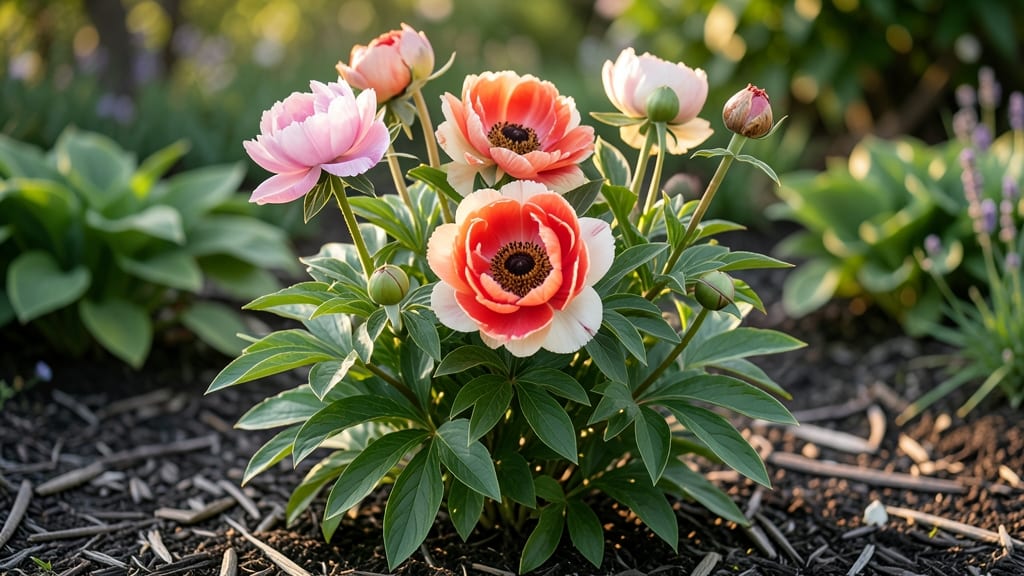
Understanding peony bloom stages unlocks the secret to longer, showier flowers every spring. 🌸 These heat-triggered phases—from tight buds to fading blooms—happen in precise order, and knowing each one means you can extend the season by weeks.
My first year growing peonies, I missed the critical window for pruning spent blooms and lost half my next year's flowers. Don't let that happen to you.
The journey starts in early spring when plump buds form, their fuzzy coats still snug against the cold. By late May, those buds swell dramatically—a sure sign they'll burst into color within days.
The real magic happens when heat triggers the final expansion: petals unfurl over 3-5 days, revealing their full glory. This is when peonies demand your attention—water deeply but avoid wetting the foliage to prevent disease.
Once blooms fade, cut stems back to the first healthy leaf (never the crown) to redirect energy into next year's buds. I learned this the hard way after snipping too late and watching my plants struggle.
The reward? Stronger stems and even bigger blooms the following season. With this knowledge, you'll transform a single season of beauty into a decade of peony perfection—year after year.
Works for both herbaceous and tree peonies, in zones 3-8. The same stages apply whether you're growing in full sun or partial shade, though timing shifts slightly with climate. Here's how to recognize each phase and keep your peonies thriving through every step.
📚 In This Guide
- What you need
- Instructions
- Tips and common mistakes
- Wrapping up and next steps
What you need
- ● Peony plants: Healthy, established peonies (herbaceous or tree types) in full sun (6+ hours/day). Pro tip: Look for varieties like 'Sarah Bernhardt' or 'Bowl of Beauty' for vibrant blooms! 🌡️
- ● Garden journal/notebook: For recording bloom stages, weather notes, and growth observations.
- ○ Digital camera or smartphone: With a macro lens (optional) for close-up shots of buds and blooms.
- ● Pruning shears: Sharp, clean shears (sterilized with rubbing alcohol) for trimming spent blooms.
- ○ Thermometer (optional): Soil or air thermometer to monitor heat triggers (ideal bloom temps: 60–75°F).
- ○ Gloves (optional):strong> Heavy-duty gardening gloves to protect hands from thorns.
- ● Growth charts or bloom stage guides: Printed or digital references for comparing your peonies’ progress.
- ● Stakes or supports: For tree peonies to prevent flopping in wind or rain.
- ● Mulch (compost or straw): To retain soil moisture and regulate temperature.
- ● Pest control (neem oil or insecticidal soap): For aphids or spider mites that may target buds.
- ● Weather app or station: To track heatwaves, rain, and humidity—key factors in bloom timing!
Understanding peony bloom stages: from bud to full bloom
Peonies don’t just bloom—they put on a dramatic, heat-driven show. Here’s how to recognize each phase so you can time your garden’s best moments.
🌱 Step 1: Bud Formation (Late Summer to Early Fall)
Peony buds begin forming in late summer, often in August, when days grow shorter and temperatures drop slightly. You’ll notice small, fuzzy green buds swelling at the base of last year’s stems. These buds are actually flower buds for next year—yes, peonies prepare now for next spring’s show.
This is the phase where peonies store energy. They convert sunlight into carbohydrates, which they’ll use to fuel next year’s blooms. If you see buds forming but your peony looks weak, it’s a sign the plant needs more nutrients—add a balanced fertilizer now to support this critical phase.
Real talk: Don’t prune anything yet. Wait until after the first frost to clean up foliage. The leaves are still working to feed those buds.
☀️ Step 2: Bud Swelling (Late Winter to Early Spring)
As temperatures rise above 40°F in late winter, your peony’s buds will begin swelling noticeably. They’ll grow from a dime-sized bump to a golf-ball-sized round shape over 4-6 weeks. This is when peonies need consistent moisture—dry spells can cause buds to split or dry out.
Here’s the thing—don’t rush to prune dead foliage. Those brown stems are protecting the buds from cold snaps. Once buds reach 1 inch in diameter, you can trim back last year’s stems to about 2 inches above the ground, but only on warm, dry days.
Watch for bud rot if you live in a damp climate. If buds feel mushy or ooze liquid, remove them immediately to prevent spreading.
🌿 Step 3: Color Development (2-3 Weeks Before Bloom)
About 2-3 weeks before opening, peony buds will develop color. Pinks turn deeper, whites stay bright, and reds intensify. This is your first visual cue that bloom time is near. Buds may also feel slightly firmer as they prepare to open.
Peonies need full sun (6+ hours daily) now to trigger the final heat push. If your garden gets afternoon shade, move potted peonies to sunnier spots. You’ll see buds opening faster in warm, sunny conditions—sometimes within 3-5 days of color development.
This is also when you should stop fertilizing. Too much nitrogen now will delay blooming. Focus on watering deeply once a week if rainfall is light.
💧 Step 4: Full Bloom (Spring, Heat-Dependent)
Peonies bloom when daytime temperatures hit consistently above 60°F for 3-5 days. Buds will open from the bottom up, revealing layers of petals like a floral onion. A fully open peony has 5-7 layers, and the process takes 5-7 days per bloom.
Here’s where it gets fun—watch for bees and butterflies. Peonies are magnetically attractive to pollinators during this phase. If you’re growing for cut flowers, harvest when 2-3 outer petals drop but the center is still tight. This ensures the longest vase life.
Don’t cut stems too short. Leave 3-4 inches of stem to support next year’s buds. And resist the urge to deadhead immediately—let the seed pods form if you want more peonies long-term.
⏰ Step 5: Post-Bloom Care (Summer Maintenance)
After blooming, peony stems will turn brown and flop. This is normal—don’t prune yet. The plant is still feeding the roots. Wait until after the first frost to cut stems back to 1-2 inches above ground. This gives the plant time to store energy for next year’s buds.
This is the moment that matters: Mulch now with 2-3 inches of organic mulch to protect next year’s buds from winter cold. Peonies are hardy, but consistent care here ensures they’ll return bigger and better every year.
I know it seems weird, but don’t fertilize after mid-summer. Peonies go dormant in late summer, and feeding now can encourage weak, late-season growth that won’t survive winter.
Tips & tricks for perfect peony bloom timing
Here's how to maximize your peony's potential through each heat-sensitive phase.
Temperature Matters: Those 40°F and 60°F thresholds aren't just numbers—they're the triggers for your peony's drama. At 40°F, buds begin their dramatic swelling act, but they need consistent moisture to avoid splitting. Think of it like a slow-motion dance: too dry and the buds crack under pressure. In damp climates, I've seen buds literally explode if not monitored closely. The 60°F threshold for blooming is your cue to stop fertilizing—too much nitrogen now delays the show.
Visual Cues for Timing: The 2-3 weeks before bloom color development phase is your first real preview. Pinks deepen, whites brighten, and reds intensify like a painter's palette. Here's the trick: press gently on the bud—if it feels slightly firmer than before, bloom is imminent. I've timed my garden parties perfectly by watching for this subtle texture change. And remember, those 5-7 petal layers take 5-7 days to fully unfurl, so plan accordingly if you're counting on cut flowers.
Pruning Precision: The 2 inches above ground rule for trimming stems when buds reach 1 inch diameter is non-negotiable. I learned this the hard way—cutting too early can expose buds to cold snaps. Wait for warm, dry days (above 40°F) and use clean, sharp shears. For post-bloom care, that 1-2 inches above ground trim after first frost is your insurance policy for next year's buds. Think of it as giving your peony a haircut that protects its future.
Sunlight Strategy: Those 6+ hours of daily sun aren't optional—they're the difference between a modest display and a showstopper. If your garden gets afternoon shade, move potted peonies to sunnier spots during the 2-3 weeks before bloom phase. I've seen buds open 3-5 days faster in full sun versus partial shade. For cut flowers, harvest when 2-3 outer petals drop—this gives you the longest vase life while still leaving enough stem to support next year's buds.
Pro Tips for Peony Bloom Stages
- Here's how to maximize your peony's potential through each heat-sensitive phase.
- Temperature Matters: Those 40°F and 60°F thresholds aren't just numbers—they're the triggers for your peony's drama.
- Visual Cues for Timing: The 2-3 weeks before bloom color development phase is your first real preview.
Frequently asked questions
Got questions about peony bloom stages? You’re not alone! Here are some of the most common inquiries—plus quick, practical answers to help you enjoy every phase of your peonies’ stunning transformation.
When do peonies typically start blooming, and how long does it last?
Peonies usually bloom in late spring to early summer (May–June in most U.S. zones), triggered by consistent warmth after winter dormancy. A single bloom lasts 5–7 days, but the plant may produce multiple buds over 2–3 weeks. Early varieties (like ‘Sarah Bernhardt’) often bloom first, followed by later types.
Why did my peony buds open too early or fail to bloom at all?
Early blooming can happen if winter wasn’t cold enough (peonies need chill hours to break dormancy). No blooms? Check for over-fertilizing (too much nitrogen = leaves, not flowers), immature plants (wait 2–3 years for established roots), or disease (black spot or botrytis). Prune dead foliage in fall to encourage next year’s buds!
Can I force peonies to bloom earlier or later by adjusting heat or light?
While you can’t force peonies to bloom out of season, you can extend their display by deadheading spent blooms (cut stems to a leaf node) and providing consistent moisture. For late blooms, plant late-season varieties like ‘Bowl of Beauty’ or move potted peonies to a slightly cooler spot in peak summer heat.
What should I do with peony blooms after they fade?
Deadhead only after the petals fully wilt to prevent seed formation (which drains energy). Cut stems to just above a leaf node with clean shears. Don’t prune foliage until fall—it photosynthesizes nutrients for next year’s buds! For cut flowers, change water daily and trim stems at an angle to prolong vase life (5–10 days).
Are there peony varieties that bloom in different stages for a longer display?
Plant a mix of early, mid-, and late-season varieties for continuous blooms. Try ‘Duchesse de Nemours’ (early), ‘Coral Charm’ (mid), and ‘Bartzella’ (late). Interplanting with daylilies or irises also extends your garden’s seasonal interest while peonies recharge underground.
Wrapping up and next steps
Watching peonies unfold through their heat-triggered bloom stages is like witnessing nature’s own masterpiece! From tight buds to vibrant petals, each phase reveals the beauty of patience and care. 🌸 Whether you’re a seasoned gardener or a curious beginner, understanding these stages helps you nurture healthier, more stunning blooms.
Ready to dive deeper? Plan your next gardening session—adjust watering, prune spent blooms, or even experiment with heat-loving varieties to extend your peony season. Happy gardening! 🌱