
Flowers
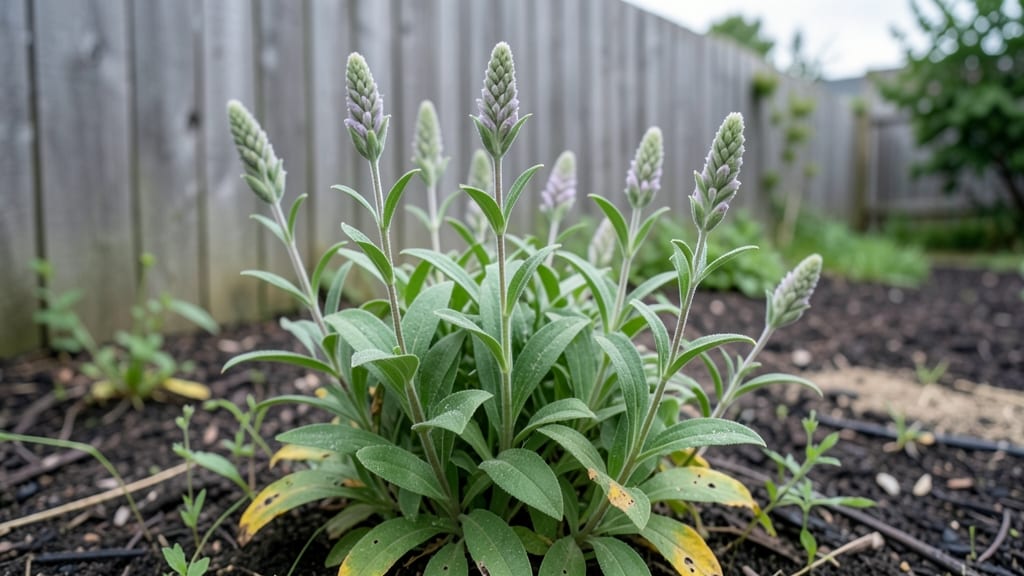
Preparing your 🌸 phlox before bloom is the game-changer for next year’s showstopping flowers.
Struggling to get your phlox to thrive year after year? The secret to vibrant blooms lies in what you do before those colorful spikes even appear—pruning at the right time and in the right way.
Too many gardeners wait until after the flowers fade, but the real magic happens in late summer when you can shape the plant and remove spent stems. This isn’t just about looks—it’s about healthier roots, fewer pests, and blooms that last longer.
In this guide, I’ll walk you through the exact steps to prune your phlox so it bursts with color next season—no guesswork, just proven results.
When and how to prune phlox before bloom for maximum growth
If your phlox plants are struggling to produce the vibrant blooms you love year after year, the solution might be simpler than you think: pruning before bloom.
This often-overlooked step is your secret weapon for encouraging bushier growth, preventing disease, and setting the stage for next year’s showstopping flowers.
The key lies in knowing when and how to prune—typically in late summer to early fall—when your phlox has finished flowering but before hard frost arrives.
Pruning at this time removes spent stems and dead foliage while allowing the plant to redirect energy into root development and new growth for the following season.
Without this step, your phlox can become overcrowded, vulnerable to disease, or even flop over under the weight of too many weak stems. Let’s dive into the exact steps to transform your phlox into a bloom powerhouse.
Step-by-Step Guide to Pruning Phlox Before Bloom
- Step 1: Wait for the Right Time
Prune your phlox 4-6 weeks after flowering, typically in late August to early October. Look for spent flower spikes that have turned brown and seed heads that are fully mature. Avoid pruning too early—you want to preserve next year’s flower buds, which form on current-year growth.
- Step 2: Gather Your Tools
Use clean, sharp pruners or bypass shears to make precise cuts. Sterilize your tools with rubbing alcohol or a 10% bleach solution to prevent spreading disease. Wear gloves to protect your hands from sap and sharp stems.
- Step 3: Remove Spent Stems
Cut back dead or dying stems to 1-2 inches above the ground. Focus on stems that are brown, woody, or completely devoid of leaves. Avoid cutting into green growth, as this signals new flower buds forming for next season.
- Step 4: Thin Out Crowded Foliage
If your phlox is overcrowded, select the healthiest stems and trim back 25-30% of the plant’s total volume. This improves air circulation, reducing the risk of powdery mildew and fungal infections. Aim for a balanced shape rather than a perfectly uniform look.
- Step 5: Clean Up Debris
Rake up and dispose of all pruned material from your garden. Leaving dead stems or diseased foliage on the ground can harbor pests and pathogens that may reinfect your phlox. Consider composting healthy, disease-free debris separately.
- Step 6: Apply a Light Fertilizer
After pruning, feed your phlox with a balanced, low-nitrogen fertilizer (e.g., 10-10-10) to encourage root growth and new shoots. Apply it in the early morning to avoid leaf burn from evening moisture. Water thoroughly to help nutrients absorb into the soil.
- Step 7: Mulch for Protection
Spread a 2-3 inch layer of mulch around the base of your phlox, keeping it 2 inches away from the stems. Use organic mulch like shredded bark or straw to retain moisture, regulate soil temperature, and suppress weeds.
This also protects roots from freezing temperatures in winter.
Pruning phlox before bloom isn’t just about neatening up your garden—it’s a proactive investment in next year’s flowering potential. By removing weak stems and encouraging new growth, you’re giving your phlox the best chance to rebound stronger and bloom more abundantly in spring.
Think of it as a reset button for your plants, clearing out the old to make room for the new.
One common misconception is that pruning too aggressively will harm your phlox. However, phlox is resilient and can handle moderate pruning as long as you leave enough healthy foliage to support photosynthesis. The goal is to stimulate bushier growth, not to strip the plant bare.
If you’re unsure, err on the side of caution and remove only the most obviously dead or damaged stems.
For tall garden phlox varieties like ‘David’, you might need to stake remaining stems after pruning to prevent them from flopping over in wind or rain. Use soft ties or flexible stakes to support the plant without restricting growth.
This is especially important if your phlox is planted in a windy location or receives heavy rainfall.
After pruning, keep an eye out for new shoots emerging from the base of the plant. These are a sign of healthy regrowth and indicate that your phlox is preparing for next season.
If you notice yellowing leaves or stunted growth, it could signal nutrient deficiencies or pest issues. In this case, conduct a soil test and adjust your fertilizer regimen accordingly.
Finally, remember that phlox pruning is a year-round commitment. While late summer to early fall is the ideal time for major pruning, you’ll also want to deadhead spent blooms throughout the flowering season to encourage continuous blooming.
This small but critical step ensures your phlox doesn’t waste energy producing seeds when it could be focusing on more
Common mistakes to avoid when pruning phlox before bloom
Pruning phlox at the wrong time or with the wrong technique can turn your vibrant blooms into a sad, leggy mess. Many gardeners accidentally stunt growth or invite disease by cutting too late, too much, or at the wrong angle.
The key is timing—late summer to early fall is your golden window for post-bloom pruning, but even small mistakes can weaken your plants for next season.
One of the most common errors is over-pruning—trimming back more than one-third of the plant. This shocks the root system and leaves little energy for next year’s buds.
Another frequent blunder is ignoring deadheading during the blooming season, which forces the plant to waste energy on seed production instead of new flower growth. Let’s fix these mistakes before they derail your phlox’s potential.
⚠️ Critical Pruning Mistakes That Kill Phlox
- Cutting too late: Pruning after mid-fall removes next year’s flower buds already forming.
- Using dull shears: Ragged cuts invite fungal infections like powdery mildew.
- Skipping deadheading: Letting spent blooms go to seed exhausts energy needed for new growth.
- Pruning in wet weather: Damp conditions spread disease through open wounds.
Fix these errors now to ensure healthier roots and bigger blooms next season.
Another big mistake is pruning at the wrong angle. Always cut just above a leaf node or bud at a 45-degree angle to encourage new growth. A flat cut leaves a stub that can rot, while a jagged cut invites pests.
I’ve seen gardeners accidentally decapitate their phlox by cutting too close to the base—this leaves no room for new shoots to emerge in spring.
Don’t forget to sterilize your tools between cuts! Using the same shears on dead foliage and healthy stems spreads pathogens like wildfire. A quick wipe with rubbing alcohol or a 10% bleach solution keeps your phlox disease-free.
I once lost half my phlox patch to powdery mildew because I skipped this step—don’t make the same mistake!
Finally, avoid the temptation to prune for aesthetics rather than health. If your phlox looks ragged after blooming, resist the urge to shear it into a perfect shape. Instead, focus on removing only the dead or diseased stems and thinning out crowded areas to improve air circulation.
This keeps your plants stronger and more resilient to pests.
By avoiding these common mistakes, your phlox will reward you with fuller blooms, healthier foliage, and longer-lasting color next season. Start with a sharp pair of shears, a clear plan, and the right timing—and watch your phlox thrive like never before! 🌸