
Plants
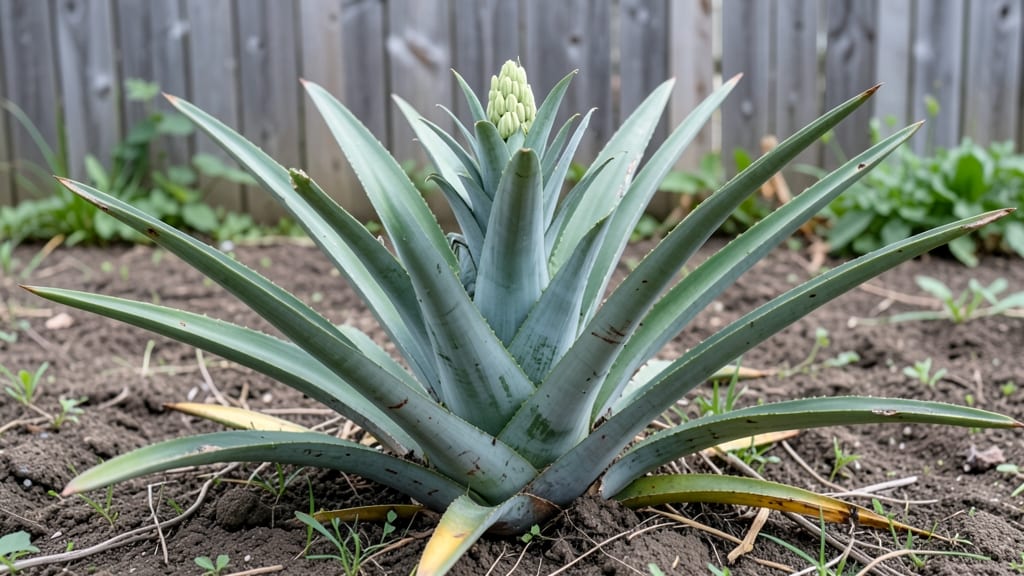
Seeing your pineapple plant in bloom is the first step toward that sweet, golden reward—but the real question is what comes next.
Watching your pineapple plant bloom is exciting—but when will you finally get that sweet, tropical fruit? The wait can feel endless, but understanding the stages of flowering and fruiting helps set realistic expectations.
This is where most gardeners get stuck: they see the stunning 🍍 flower, but don’t know whether to expect fruit in months or years. The truth?
With the right care, you can go from bloom to harvest in as little as 18 months, but only if you know how to support your plant through each stage.
In this guide, I’ll break down exactly what to expect after that first bloom—from pollination to ripening—and share the proven tricks to maximize your chances of a juicy harvest. Let’s turn that flower into fruit!
How long does it take for a pineapple plant to fruit after blooming?
Seeing your pineapple plant bloom is thrilling, but the real question is: how long until fruit? The timeline from flowering to harvest depends on several factors, including temperature, sunlight, and soil conditions.
On average, it takes 4-6 months from bloom to a ripe pineapple, but this can vary widely. Understanding the stages helps you set realistic expectations and troubleshoot delays.
First, the flowering stage itself lasts about 2-4 weeks before the flower head begins to develop into a fruit. During this time, the plant focuses energy on pollination and fruit initiation. After the flower wilts, a small pineapple will start forming, growing slowly at first.
The most critical factors during this period are consistent moisture and warm temperatures, ideally between 70-85°F.
| Stage | Duration | Key Actions |
|---|---|---|
| Flowering | 2-4 weeks | Ensure pollination (hand-pollinate if needed), maintain moisture, and protect from pests. |
| Fruit Initiation | 4-6 weeks | Apply balanced fertilizer, keep soil well-draining, and provide full sun. |
| Fruit Development | 12-16 weeks | Monitor for pests/diseases, reduce fertilizer slightly, and maintain consistent watering. |
| Ripening | 4-8 weeks | Check for harvest readiness, reduce watering slightly, and protect from extreme heat. |
| Total Time | 18-24 weeks (4.5-6 months) | Patience and optimal care conditions are key! |
The fruit initiation phase is where most of the waiting happens. During these 4-6 weeks, the tiny pineapple starts forming, but growth is slow. This is when you’ll notice the flower head turn into a small, green fruit.
If your plant is struggling, check for yellowing leaves or stunted growth, which could signal nutrient deficiencies or poor drainage. Adjust your care routine immediately to avoid delays.
Temperature plays a huge role in speeding up or slowing down development. Pineapples thrive in warm climates (70-85°F), but they can still fruit in cooler zones if given extra care. If temperatures drop below 60°F, growth slows dramatically, extending the timeline by weeks or even months. Use a greenhouse or move pots indoors during cold snaps to protect your plant.
Another critical factor is sunlight exposure. Pineapples need 6+ hours of direct sun daily to develop properly. If your plant isn’t getting enough light, the fruit may grow slowly or develop poorly.
Place your pineapple in the sunniest spot in your garden or near a south-facing window if growing indoors. Lack of sunlight can also lead to leggy growth or weak stems, which may affect fruit quality.
Soil conditions also impact how quickly your pineapple fruits. Pineapples prefer well-draining, slightly acidic soil (pH 4.5-6.5). If your soil is too dense or retains too much moisture, roots can suffocate, slowing fruit development.
Amend your soil with compost or peat moss to improve drainage. Overwatering is another common mistake—water deeply but infrequently, allowing the top inch of soil to dry between waterings.
Once the fruit enters the development phase (12-16 weeks), you’ll start seeing noticeable growth. The pineapple will grow larger, and its color will shift from green to its mature hue (yellow, gold, or red, depending on the variety).
During this time, reduce fertilizer applications to half-strength to avoid overfeeding, which can lead to excessive foliage growth at the expense of fruit development. Focus on pest control and disease prevention to keep your plant healthy.
The final stage is ripening (4-8 weeks), where the pineapple reaches full size and sweetness. This is when you’ll notice the fruit becoming heavier, the base turning yellow or brown
Signs your pineapple flower will develop into fruit (and when to worry)
When your pineapple plant finally sends up that vibrant flower spike, it’s a thrilling moment—but the real question is whether that bloom will turn into fruit. The first 2-3 weeks after flowering are critical, as subtle changes in the flower and plant signal whether pollination was successful.
Watch for the flower buds to open fully, revealing the bright pink or red bracts at the center, which are the true flowers where pollination happens.
Successful pollination often starts with the flower buds swelling slightly and changing color from green to pale pink or white.
This color shift indicates the plant is ready for pollination, though it won’t happen automatically—you may need to hand-pollinate with a soft brush or cotton swab to transfer pollen between flowers. Without intervention, some tropical pineapples may not set fruit due to lack of natural pollinators in home gardens.
Once pollination occurs, the flower bracts will begin to curl inward and eventually shrink slightly as the fruit starts forming. Look for a small, green bump where the flower was—this is the developing fruit.
Over the next 4-6 weeks, this bump will grow rapidly, and the spike may start to droop under the weight. A healthy fruit will feel firm but slightly soft when gently squeezed, unlike an unripe one that’s hard and hollow-sounding.
If the flower spike dries up completely without any fruit forming, it could mean failed pollination or nutrient deficiency. Check your plant’s fertilizer levels—pineapples need a balanced 10-10-10 NPK fertilizer during flowering to support fruit development.
A lack of potassium (the last number in NPK) is a common culprit for poor fruit set, so consider a banana peel tea (rich in potassium) as a natural boost.
Patience is key—even with successful pollination, it takes 3-4 months for a pineapple fruit to change from green to golden-yellow and reach maturity. Keep an eye out for pests like mealybugs, which love to infest stressed plants.
A neem oil spray applied every 2 weeks during fruiting can prevent infestations that might stunt growth. The final test? A ripe pineapple will slip easily from the plant when gently twisted at the base—no tugging required!
Remember, not every bloom guarantees fruit, but these visual cues will help you diagnose issues early and give your pineapple the best chance to thrive. With the right care, that single flower spike could turn into a juicy, homegrown harvest in just a few months! 🍍