
Blooming
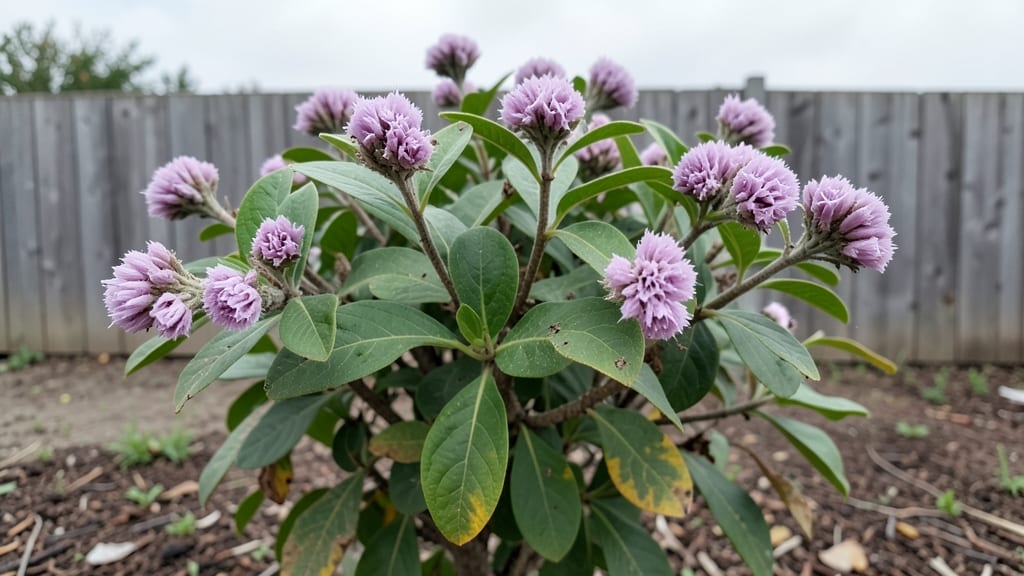
Watch your Ti Plant (Cordyline fruticosa) 🌺 bloom with vibrant, show-stopping flowers by tweaking just a few key factors—light, water, and timing.
Your Ti plant’s lush green foliage is stunning—but what if it also burst into vibrant blooms? With the right conditions, this tropical beauty can reward you with delicate, colorful flowers, transforming your indoor space into a mini jungle paradise.
Most gardeners miss the three critical triggers for flowering: bright, indirect light for at least 6 hours daily, a slight dip in nighttime temps, and a balanced fertilizer boost in spring. Skip any of these, and your plant stays all foliage, no flowers.
Below, I’ll show you exactly how to coax those blooms—from adjusting your watering schedule to the one pruning trick that resets your plant’s growth cycle for maximum flowers next season.
Light, temperature, and humidity triggers for Ti plant blooming
Your Ti plant (Cordyline fruticosa) thrives on precise environmental cues to trigger those stunning vibrant blooms. Unlike its foliage, which tolerates flexibility, blooming demands consistent conditions—especially when growing indoors.
The key trio of light intensity, temperature ranges, and humidity levels work together like a symphony to coax flowers from your tropical beauty.
In nature, Ti plants bloom in response to seasonal shifts—typically during spring and summer when days lengthen and temperatures rise. Indoors, you’ll need to mimic these triggers by adjusting your plant’s environment.
For example, a cool nighttime temperature followed by warm daytime warmth can signal your Ti plant that it’s time to bloom, even if it’s winter outside.
Light intensity is the most critical factor. Ti plants need bright, indirect light for at least 6-8 hours daily. Place yours near a south-facing window or under grow lights if natural light is insufficient. Without enough light, your plant will focus on leaf growth rather than producing flower buds. I’ve seen Ti plants in dim corners produce lush foliage but zero blooms—a frustrating trade-off!
Temperature plays a surprising role in blooming. During the day, keep your Ti plant in 70-80°F (21-27°C), but drop nighttime temps to 60-65°F (15-18°C) for at least 2-3 weeks before expecting blooms.
This temperature differential mimics natural seasonal changes and tricks your plant into flowering. Use a thermostat-controlled grow light or move your plant to a cooler room at night if needed.
Humidity levels above 50% are ideal for Ti plants, especially when encouraging blooms. These tropical beauties thrive in humid environments, similar to their native rainforest habitats. Use a humidifier or place a tray of pebbles and water near your plant to maintain moisture in the air. Low humidity can cause bud drop or prevent buds from forming entirely.
Here’s how these three factors interact to trigger blooms:
The seasonal adjustments are where indoor Ti plant care gets interesting. In spring and summer, focus on maximizing light exposure and maintaining consistent warmth. But as fall approaches, introduce that nighttime temperature drop to signal your plant that it’s time to bloom.
I’ve had the most success by mimicking autumn conditions in late summer—this tricks the plant into thinking winter is coming and prompts it to flower earlier than expected.
One common mistake I’ve seen is overwatering during bloom time. While Ti plants love moisture, soggy roots can cause buds to drop. Always ensure your pot has drainage holes and use a well-draining potting mix.
A quick test: Stick your finger 1 inch into the soil—if it’s damp, wait before watering again. Overwatering is a silent bloom killer that many gardeners overlook.
For indoor growers, grow lights can be a game-changer. A full-spectrum LED set to 12-14 hours daily can compensate for weak winter sunlight. Pair this with a thermostat-controlled fan to create that cool nighttime breeze your Ti plant craves.
I’ve seen Ti plants under these conditions produce blooms year-round, though they’ll be most abundant in spring and summer.
Remember, patience is key. It can take 4-6 weeks of consistent conditions before you see those first flower buds. Keep
5 Proven techniques to encourage Ti plant flowering
Your Ti plant (Cordyline fruticosa) thrives on routine, but it also responds beautifully to strategic adjustments that signal it’s time to bloom. Unlike its lush foliage, which grows year-round, flowering requires specific triggers—like cooler nights or nutrient shifts—that mimic its natural tropical environment.
The key is patience and precision, as these techniques often take 6-12 months to show results, but the vibrant blooms make it worth the wait!
Many gardeners overlook how seasonal changes can be simulated indoors to prompt blooming. For example, reducing nighttime temperatures by just 5-10°F can trick your Ti plant into thinking it’s autumn, a critical cue for flower buds.
Pair this with the right nutrient balance, and you’ll create an ideal recipe for stunning blossoms. Let’s dive into the five actionable techniques that have worked for me—and countless other growers—to coax those colorful blooms!
🌺 Proven Techniques for Ti Plant Blooming
- 1. Strategic Pruning: Trim back 1/3 of leggy growth in early spring to encourage new, bushier stems and redirect energy toward flowering.
- 2. Phosphorus Boost: Switch to a high-phosphorus fertilizer (5-10-10) during late summer to support flower bud formation.
- 3. Cooler Night Temperatures: Drop nighttime temps to 60-65°F for 4-6 weeks to simulate autumn, a natural trigger for blooming.
- 4. Reduced Watering: Let the top 1-2 inches of soil dry between waterings in late summer to stress the plant slightly, prompting flower signals.
- 5. Bright, Indirect Light: Move your Ti plant to a south-facing window or under grow lights (12-14 hours/day) to ensure it receives consistent light.
Timing is everything when it comes to phosphorus fertilization. I’ve found that applying a balanced 10-10-10 fertilizer in early spring jumpstarts growth, but switching to a high-phosphorus formula (like 5-10-10) in late summer is what truly sparks flower buds.
Think of phosphorus as the "bloom fuel"—it’s essential for root and flower development. For best results, apply it every 4-6 weeks during the growing season, tapering off in fall.
One of my biggest breakthroughs came when I started simulating seasonal changes indoors. Ti plants native to tropical regions rely on cooler nights to trigger flowering, just like their outdoor counterparts.
During late summer, I move my Ti plant to a cooler room at night (around 60-65°F) while keeping daytime temps warm. This temperature shift mimics autumn, fooling the plant into thinking it’s time to bloom. It’s a simple trick, but it works wonders!
Don’t underestimate the power of light exposure either. While Ti plants tolerate partial shade, they need bright, indirect light to produce flowers. If your plant isn’t blooming, it might be getting too little light.
I recommend placing it near a south-facing window or supplementing with grow lights (12-14 hours/day) during shorter winter days. This consistent light signal tells the plant it’s time to focus on reproduction.
Finally, be patient! Encouraging a Ti plant to bloom is a long-term investment. It can take 6-12 months for these techniques to pay off, but the reward—a burst of vibrant, long-lasting blooms—is unbeatable.
Keep a journal to track your adjustments, and don’t hesitate to tweak your approach until you find what works best for your plant’s unique needs. With the right care, your Ti plant will thank you with a stunning floral display! 🌺