
Blooming
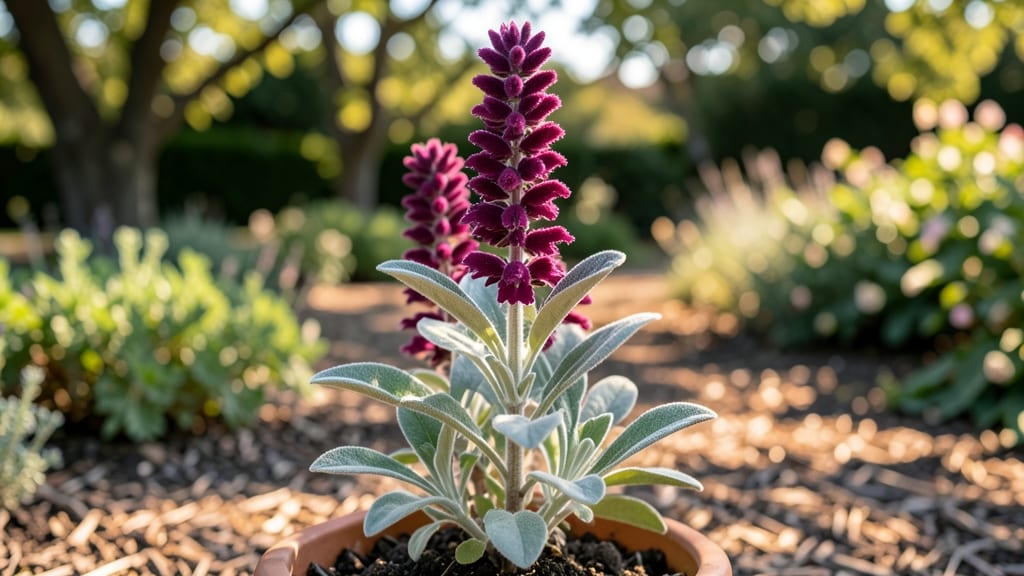
Purple and bloom salvias with 3-foot spikes transform any garden into a pollinator paradise. 🌿 I planted mine last spring, and by summer, they became the star of my drought-resistant border—vibrant purple plumes that hummingbirds can’t resist.
These salvias thrive in hot, dry spots where other plants wilt, pairing beautifully with lavender, yarrow, and ornamental grasses. The deep purple blooms contrast stunningly against silver foliage, creating a dramatic, low-maintenance focal point.
By mid-summer, your garden will buzz with activity as bees and butterflies flock to these nectar-rich spikes. The plants return year after year, saving you time and money while adding season-long color.
Perfect for borders, containers, or cottage-style gardens. Here’s how to make them shine in your design!
📚 In This Guide
- What you need
- Instructions
- Tips and common mistakes
- Wrapping up and next steps
What you need
- ● Salvia Plants: 2–4 Salvia nemorosa (perennial sage) or Salvia x sylvestris (woodland sage) plants (choose purple varieties like 'May Night,' 'Amethyst,' or 'Caradonna')
- ● Salvia leucantha (Mexican bush sage) for velvety purple blooms (1–2 plants)
- ● Soil: Well-draining garden soil (amend with compost for fertility)
- ○ Optional: Cactus/succulent mix (for containers or poor soil)
- ● Sunlight: Full sun (6+ hours/day) in USDA Zones 4–9
- ● Watering: Drought-tolerant once established; 1–2 gallons per plant weekly during dry spells
- ● Tools: Garden trowel or hand shovel
- ● Pruning shears (sterilized)
- ○ Gloves (optional but recommended)
- ● Fertilizer: Balanced 10-10-10 or slow-release granules (spring/early summer)
- ● Mulch: 2–3 inches of gravel or bark chips (retains moisture, deters weeds)
- ● Containers: 12–15" pots with drainage holes (for patio gardening)
- ● Stakes: 18–24" tall (supports tall spikes in windy areas)
- ● Companion Plants: Lavender, catmint, or ornamental grasses (echinacea) for pollinator-friendly pairings
Step-by-step guide to planting and cultivating salvias for stunning purple blooms
These drought-resistant beauties thrive with minimal fuss once you nail their sun and soil needs.
🌱 Step 1: Select the Right Salvia Varieties and Planting Site
Choose Salvia nemorosa or Salvia officinalis for those signature 3-foot purple spikes—both handle heat and drought beautifully. I always opt for Salvia nemorosa 'May Night' for its deep violet blooms that last from midsummer to fall. Plant in full sun (at least 6-8 hours daily) with well-draining soil—salvias despise soggy roots.
The key here is location, location, location. Avoid low spots where water pools after rain. If your soil is heavy clay, amend it with 2-3 inches of compost mixed into the top 12 inches of soil. You'll know you've got the right spot when the area stays dry between waterings and gets maximum afternoon sun.
🪴 Step 2: Prepare the Soil and Plant at the Right Depth
Dig holes twice as wide as the root ball but only as deep as the container they came in. Loosen the sides of the hole to encourage root spread—salvias grow best when their roots can stretch out freely. Gently remove the plant from its container and tease the roots if they're circling tightly.
Place the plant so the top of the root ball sits level with the surrounding soil. Press firmly around the edges to eliminate air pockets, then water deeply to settle everything. The soil should feel moist but not waterlogged—you're aiming for dampness that resembles a wrung-out sponge. Mulch with 2-3 inches of organic mulch (like shredded bark) to retain moisture and suppress weeds.
☀️ Step 3: Water Strategically for Drought Resistance
Here's the thing—salvias are thirsty only when young. Water deeply once a week for the first 4-6 weeks to establish roots, then taper to every 2-3 weeks once established. You'll know it's time to water when the top 2 inches of soil feel dry—stick your finger in to check.
Water at the base of the plant in the morning to prevent fungal issues. Avoid wetting the foliage, especially in humid climates. Overwatering is the #1 killer of salvias—it leads to root rot and floppy stems. Once established, these plants will thrive on rainfall alone in most climates.
✂️ Step 4: Prune for Longer Blooms and Healthier Growth
Deadhead spent blooms every 2-3 weeks to encourage nonstop flowering. I use clean, sharp pruners to snip just above the next set of leaves—this redirects energy to new growth. Cut back one-third of the plant in early spring to promote bushier, fuller growth. Never prune into old wood, as salvias bloom on new growth.
In late fall, cut back dead or damaged stems to 6 inches above ground level. This prevents disease and helps the plant focus energy on root development over winter. If you live in a Zone 5 or colder, add a 2-3 inch layer of mulch for winter protection—this keeps roots from freezing while allowing stems to die back naturally.
🌿 Step 5: Fertilize Lightly for Vibrant Purple Blooms
Feed once in early spring with a balanced, slow-release fertilizer (10-10-10) at half the recommended rate. Salvias don't need much—too much nitrogen leads to leafy growth at the expense of those stunning purple spikes. I swear by fish emulsion in spring for a gentle boost without burning the roots.
Skip summer fertilizing entirely. The heat stresses plants, and extra nutrients can encourage weak, floppy growth. Instead, focus on removing spent blooms and ensuring full sun exposure. You'll see the most vibrant purple hues when plants get at least 6 hours of direct afternoon sun—that's when they put their energy into blooms, not leaves.
Tips & tricks for growing stunning purple salvias
Your salvias will reward you with those show-stopping purple blooms when you nail these key details—especially the ones most gardeners overlook.
Location is Everything: That 6-8 hours of full sun isn't just a suggestion—it's non-negotiable for those signature 3-foot spikes. I've seen salvias wither in partial shade, no matter how well-drained the soil. If your yard has only morning sun, consider a south-facing wall or raised bed where they'll get that critical afternoon sun boost. The deeper the purple, the more sun they're getting!
Root Spread Matters More Than Depth: When planting, resist the urge to bury salvias too deep—just match the container depth. The real magic happens when you loosen the sides of that planting hole to encourage roots to spread outward. I've seen salvias planted in tight holes struggle for years, while those with room to stretch thrive. Think of it like giving your plant a five-star hotel suite instead of a cramped dorm room.
Watering Wisdom: The 4-6 week establishment period is where most gardeners go wrong. Watering too frequently creates soggy roots, while too little stresses new plants. I set a timer for that first month to remind me—deep watering once a week at the base, never the leaves. Pro tip: Use a moisture meter to check that top 2 inches before watering. Your salvias will thank you with stronger roots and bigger blooms.
Pruning Payoff: Those 2-3 week deadheading sessions aren't just about looks—they're about redirecting energy. I've seen salvias with continuous blooms all summer because I snip spent flowers religiously. For the spring pruning, cut back one-third of the oldest stems to force fresh, bushier growth. It's like giving your plant a spa day—out with the old, in with the new!
Pro Tips for Purple And Bloom Salvias
- Your salvias will reward you with those show-stopping purple blooms when you nail these key details—especially the ones most gardeners overlook.
- Location is Everything: That 6-8 hours of full sun isn't just a suggestion—it's non-negotiable for those signature 3-foot spikes.
- Root Spread Matters More Than Depth: When planting, resist the urge to bury salvias too deep—just match the container depth.
Frequently asked questions
Got questions about growing purple and bloom salvias? You’re not alone—these stunning perennials are full of surprises! Here are answers to the most common queries to help you cultivate thriving plants with minimal fuss.
What’s the best sunlight exposure for purple and bloom salvias?
These drought-lovers thrive in full sun (6+ hours daily) for the most vibrant blooms. However, they tolerate partial shade (4–6 hours) in hotter climates—just expect slightly shorter spikes. Avoid deep shade, or you’ll sacrifice their signature purple spikes and compact growth.
When do purple and bloom salvias bloom, and how long does it last?
Blooms typically appear in late spring to early summer, with a second, lighter flush in fall. With deadheading (removing spent flowers), you can extend the show for 8–10 weeks. Choose varieties like Salvia ‘May Night’ for prolonged color.
How often should I water purple and bloom salvias?
Once established (after 1–2 years), these plants are drought-tolerant—water deeply but infrequently (every 2–3 weeks in dry spells). Overwatering causes root rot, so let soil dry between waterings. Pro tip: Mulch around the base to retain moisture and deter weeds!
Are purple and bloom salvias deer- or pest-resistant?
Great news! Deer usually avoid salvias (thanks to their aromatic foliage), and pests like aphids or spider mites are rare. If you spot chewed leaves, try a neem oil spray or introduce ladybugs—a natural, chemical-free fix.
Can I grow purple and bloom salvias in containers?
Use a well-draining pot (at least 12” wide) with a mix of cactus/succulent soil and perlite. Choose compact varieties like Salvia ‘Bee’s Bliss’ for containers. Remember: Drainage holes are a must—no soggy roots!
Do purple and bloom salvias survive winter?
In USDA Zones 5–9, these perennials are hardy to 0°F with proper care. Mulch heavily in fall, and avoid pruning until early spring. In colder zones (Zone 4), grow them as annuals or overwinter indoors with bright light.
Wrapping up and next steps
Transforming your garden with purple and bloom salvias is easier than you think—and the rewards are stunning! These drought-resistant perennials bring vibrant color, effortless care, and long-lasting beauty to any landscape.
Whether you're a seasoned gardener or just starting out, their striking 3-foot spikes and hardy nature make them a must-have for pollinators and low-maintenance charm.
Ready to plant your own? Start by picking your favorite variety, gathering the essentials, and following the simple steps above. Before you know it, your garden will be buzzing with life—and purple perfection! 🌸🌿