
Blooming
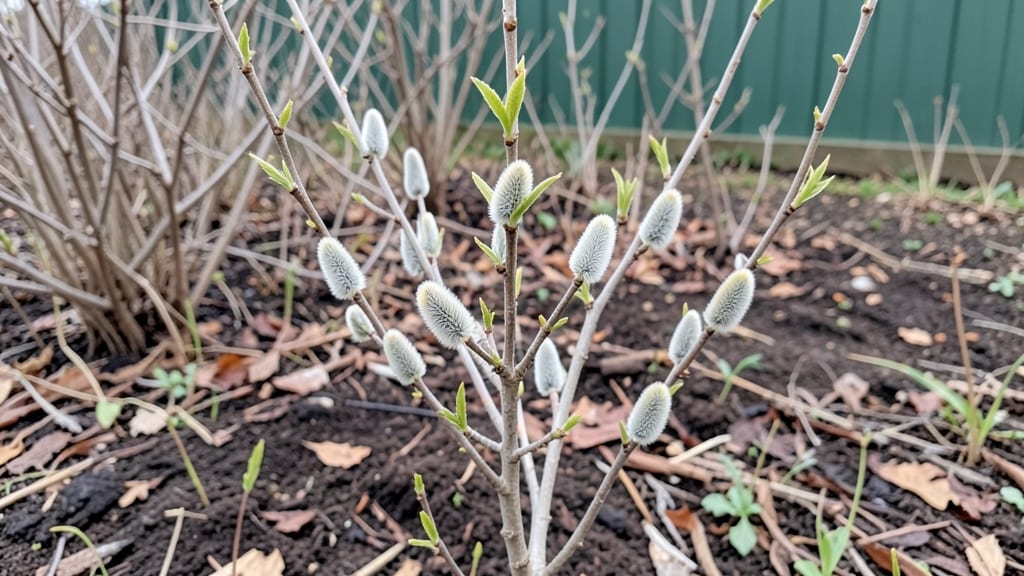
Pussy willows bloom in early spring, typically between late February and April, producing fuzzy, catkin-like buds that emerge before leaves. These woolly clusters signal the plant’s readiness to pollinate and thrive in damp, sunny environments.
These early bloomers are nature’s way of signaling the thaw—pussy willows thrive in wet conditions, so their fuzzy buds often appear along pond edges or streams where moisture lingers. 🌿 The catkins aren’t true flowers but modified branches packed with pollen, which explains why they look so fluffy before leaves even unfurl.
In colder climates like the Midwest, you might spot them as early as February, while coastal areas may see them bloom weeks later.
What’s fascinating is how these plants adapt: their buds stay dormant until temperatures rise above 40°F, ensuring they bloom when pollinators like bees are active. If you’re eager to see them sooner, planting near water sources or mulching heavily can create the ideal damp, sunny conditions they crave.
💡 In This Article
- Pussy Willow Blooming Cycle Explained
- How to Encourage Early Pussy Willow Blooms
Pussy willow blooming cycle explained
Here's what's actually happening when those fuzzy catkins appear: pussy willows produce these woolly buds through a process called catkin formation, where modified stems develop dense clusters of tiny flowers packed with pollen.
The buds form in late summer or early fall but remain dormant until winter's chill breaks. This dormancy is a survival strategy—protecting the delicate reproductive structures from freezing temperatures that would otherwise damage them.
The key factor is temperature combined with moisture. Catkins begin swelling when daytime temperatures consistently reach 40-45°F for several days, a threshold that triggers enzymatic activity in the plant.
In wetter climates like the Pacific Northwest, blooms may appear as early as late February, while drier inland areas might see them in April.
The moisture requirement explains why you'll often find pussy willows thriving along creek banks or in swamps—their roots need saturated soil to support this early energy-intensive growth.
What most people don't realize is that these catkins aren't true flowers but inflorescences—specialized branches containing both male and female reproductive parts. The fuzzy appearance comes from protective hairs that shield developing pollen from wind and rain.
This unique structure allows them to release pollen efficiently even before leaves unfurl, giving them a head start on pollination when other plants are still dormant.
Regional variations create fascinating differences in bloom timing. In the southeastern U.S., pussy willows often bloom in March, while northern states like Minnesota might see them in April. Coastal areas benefit from moderating ocean temperatures, while inland regions experience more dramatic temperature swings that can delay blooming.
The science behind this involves a process called vernalization, where cold exposure actually stimulates flowering—a survival adaptation that ensures timing aligns with pollinator activity.
There's also a fascinating competition happening underground. Pussy willows allocate energy to root growth during winter, storing starches that fuel catkin development. This explains why healthy plants in nutrient-rich soils produce more vigorous blooms. The trade-off?
They can't support both abundant catkins and leaf growth simultaneously, which is why you'll often see the fuzzy buds appear before any green foliage emerges—a visual reminder of nature's prioritization of reproduction over photosynthesis at this stage.
The texture of those catkins is another clue to their function. When you run your fingers through them, you're feeling specialized hairs called trichomes that create turbulence around the pollen, helping it disperse more efficiently in wind currents.
This adaptation explains why pussy willows can thrive in marshy areas where other plants might struggle—their reproductive strategy is perfectly adapted to wet environments where pollinators are less active.