
Blooming
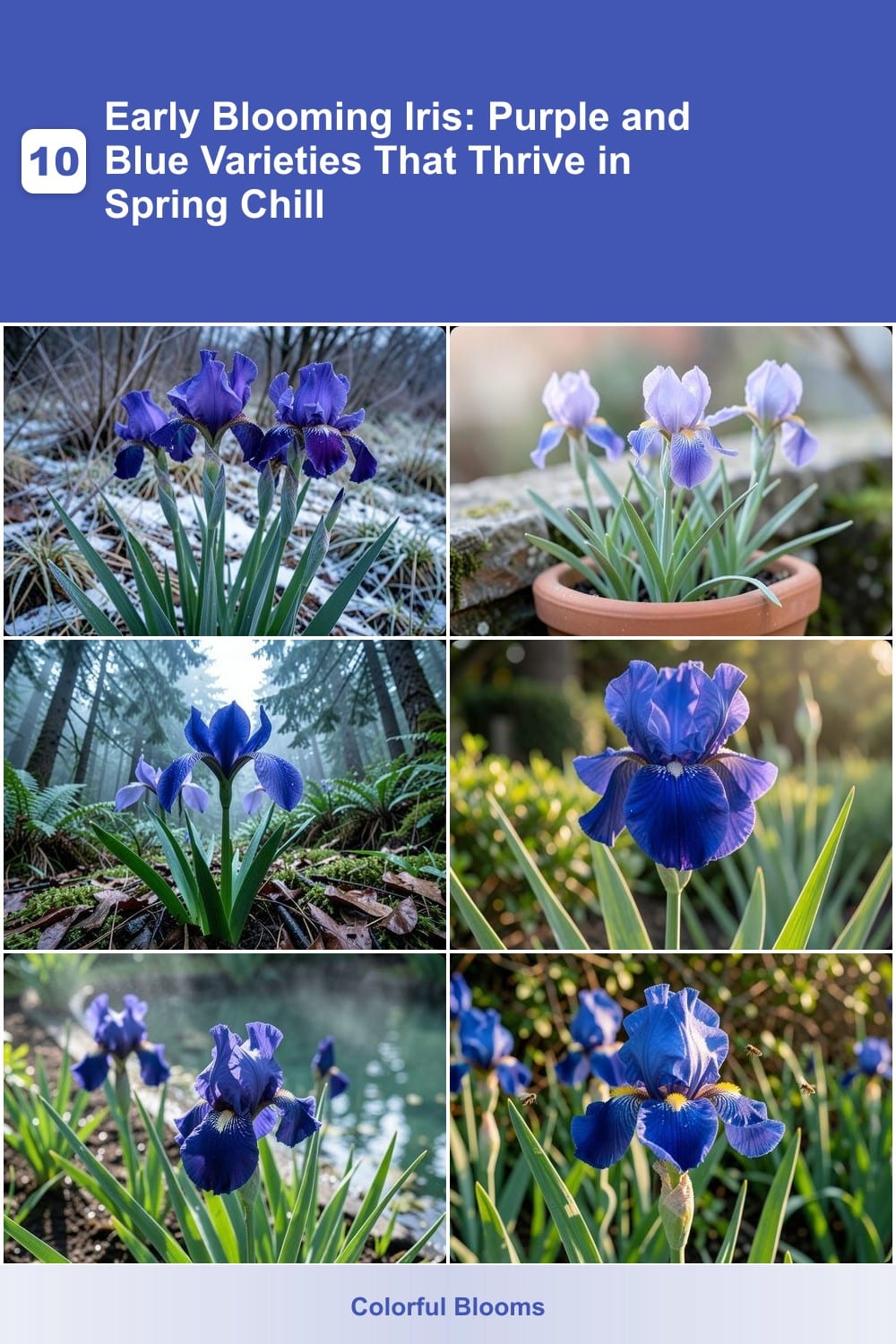
Spring's cool mornings are the perfect time to plant irises that burst into vibrant purple and blue blooms. These 10 early-blooming varieties thrive in chill weather, offering stunning color before summer heat arrives and requiring minimal fuss to establish.
Siberian Iris 'Caesar's Brother'
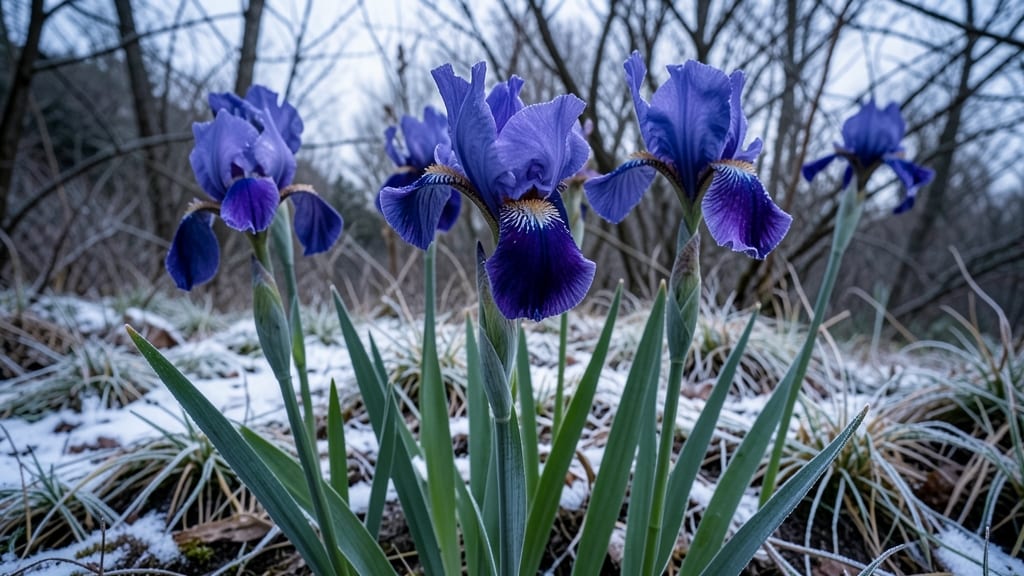
If you live in USDA zones 3-8 and struggle to grow irises that survive harsh winters, Siberian Iris 'Caesar's Brother' is your game-changer. This cold-hardy beauty blooms in early spring with striking deep violet-blue flowers that stand out against frosty landscapes, often when other irises are still dormant.
Unlike finicky bearded irises, this variety thrives in poor, rocky soils and tolerates wet conditions better than most. Plant rhizomes in full sun to partial shade (at least 4 hours of sunlight daily) and water moderately—overwatering can cause rot. The yellow falls contrast beautifully with the blue petals, creating a dramatic two-tone effect that lasts 3-4 weeks.
Perfect for northern gardeners, this iris requires almost no summer care after establishment. Its disease resistance and ability to spread slowly make it ideal for wildflower meadows or cottage gardens where you want low-maintenance charm. 🌿
Dwarf Iris 'Little Star'
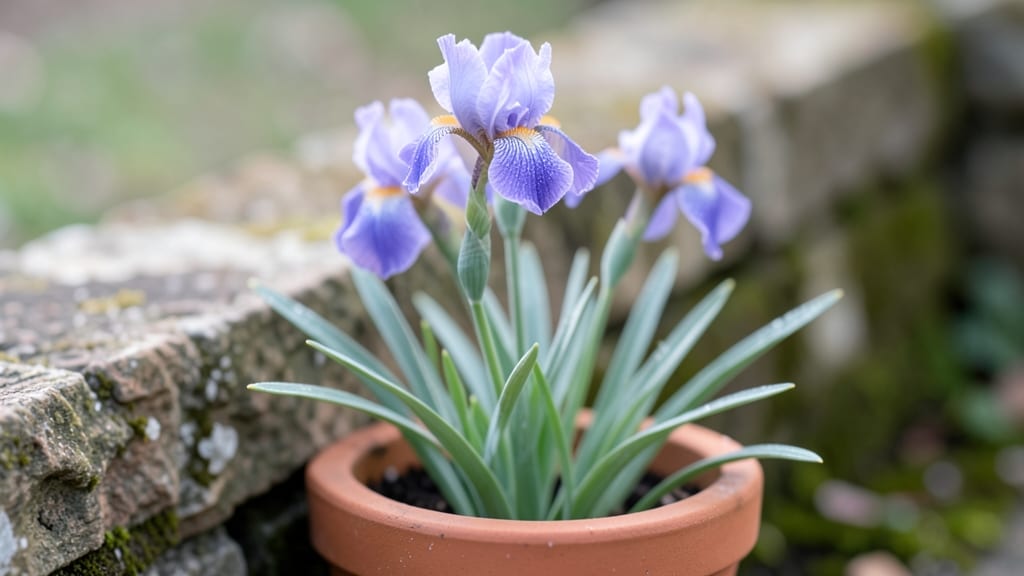
When space is limited but you crave early spring color, dwarf iris 'Little Star' delivers all the charm of traditional irises without the footprint. This petite powerhouse tops out at just 12 inches tall, making it perfect for containers, window boxes, or tight borders where taller varieties would overwhelm.
Its star-shaped lavender-blue blooms appear in early spring, often before other perennials wake up, and thrive in full sun to partial shade. Plant rhizomes just below soil level in well-draining soil, spacing them 6-8 inches apart. The delicate yellow signalments (the "beard" markings) add a subtle contrast that brightens any small garden scheme.
Urban gardeners and balcony planters will love how 'Little Star' brings year-round interest—its sword-like foliage stays attractive even after blooming. Pair it with creeping thyme or moss for a low-maintenance, pollinator-friendly display that fits anywhere. 🌻
Pacific Coast Iris 'Blue Flag'
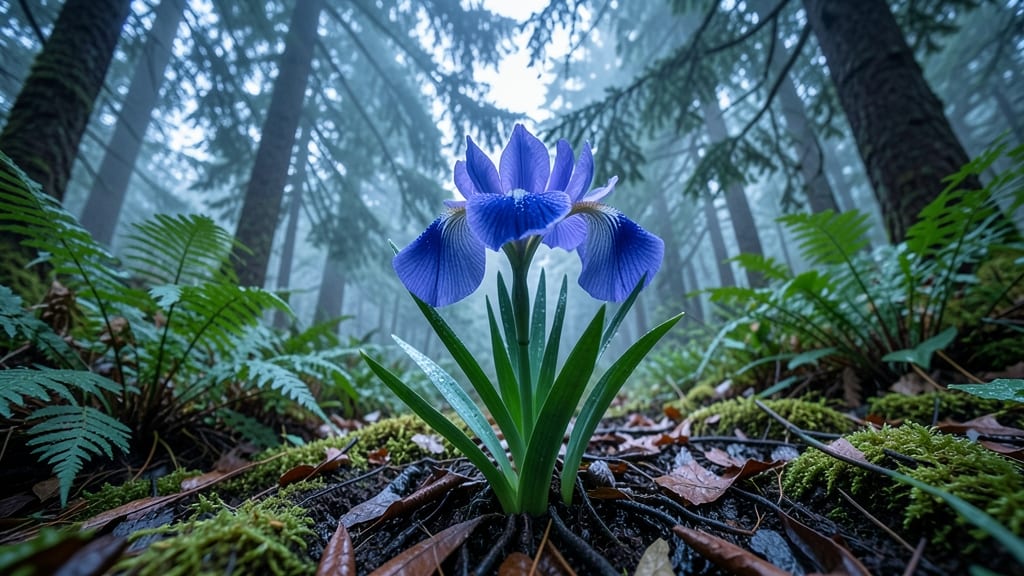
If you live in the Pacific Northwest or other humid coastal climates, the Pacific Coast Iris 'Blue Flag' is your ideal early spring bloomer. Unlike finicky irises that wilt in damp conditions, this native variety thrives in moist, well-drained soils, making it perfect for rain gardens or woodland edges where other plants struggle.
With striking blue-violet flowers and delicate white beards, 'Blue Flag' blooms in early spring, often appearing when other irises are still dormant. Plant rhizomes in partial to full shade (3-6 hours of sunlight daily) and water regularly to keep the soil consistently moist—this iris loves its feet wet! Its compact size (18-24 inches tall) makes it ideal for borders or naturalized plantings along streams or ponds.
This iris is a low-maintenance dream for gardeners who want early color without fuss. Its native resilience means fewer pests and diseases, and it spreads slowly to create a lush, wildflower-like display. Perfect for coastal gardeners or those with heavy clay soils! 🌿
Louisiana Iris 'Blue Boy'
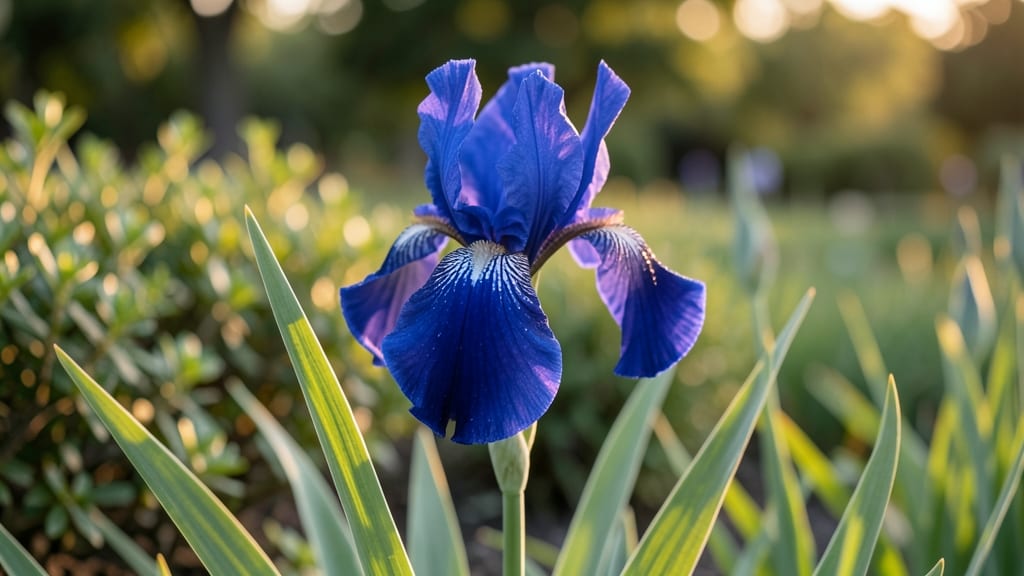
If you're in the South and tired of waiting until summer for iris blooms, Louisiana Iris 'Blue Boy' delivers rich cobalt-blue flowers weeks earlier than traditional varieties—while handling the heat like a champ. Unlike its cold-loving cousins, this iris thrives in USDA zones 5-10, making it the perfect choice for gardeners who want early spring color without sacrificing summer resilience.
Plant rhizomes in full sun (at least 6 hours daily) with well-draining soil—this variety tolerates humidity and even brief periods of drought once established. The golden yellow falls contrast strikingly with the blue petals, creating a show that lasts 4-6 weeks, longer than most spring irises. For extended blooms, divide clumps every 3-4 years to prevent overcrowding.
Southern gardeners will love this low-maintenance star—it’s the only early-blooming iris that doesn’t wilt in the heat. Pair it with daylilies or salvias for a long-lasting summer display. 🌻
Japanese Iris 'Korean Blue'
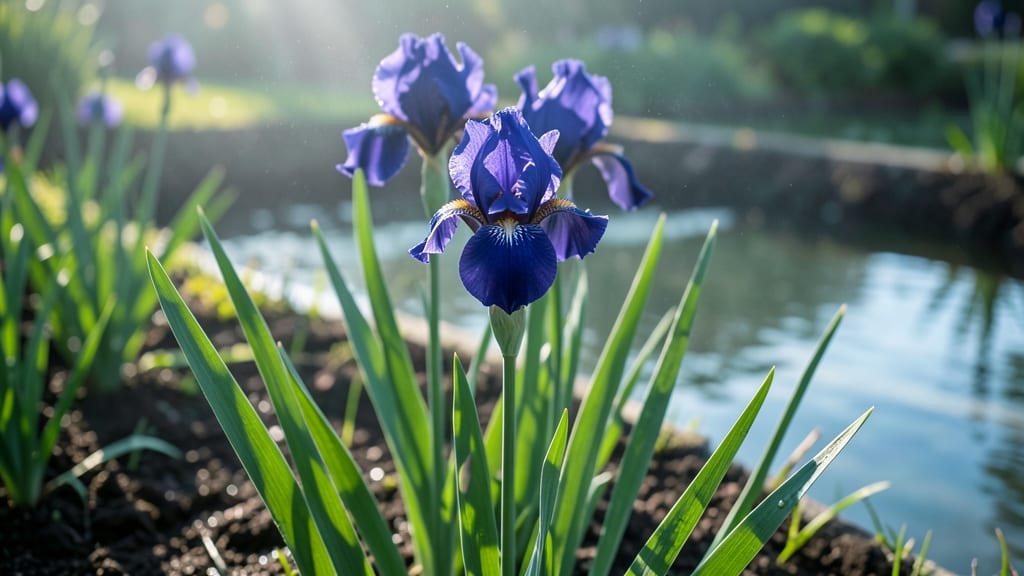
Transform your garden into a fragrant sanctuary with the Japanese Iris 'Korean Blue', a standout early bloomer that delivers deep blue-violet flowers with a subtle, intoxicating scent. Unlike other irises, this variety thrives in moist, well-drained soils, making it perfect for pond edges or rain gardens where water retention is key.
Plant rhizomes in partial to full shade (3-6 hours of sun) and keep the soil consistently damp but never waterlogged. The delicate white veins in the petals add a striking contrast, while the fragrant blooms attract bees and butterflies early in the season. This iris is particularly well-suited for cooler climates (USDA zones 4-8) and pairs beautifully with hostas or ferns.
Gardeners with water features or boggy areas will love how this iris adds elegance and texture without demanding dry conditions. Its low-maintenance nature and early spring blooms make it a must-have for those seeking tranquil, high-impact garden spaces. 🌷
Bearded Iris 'Blue Denim'
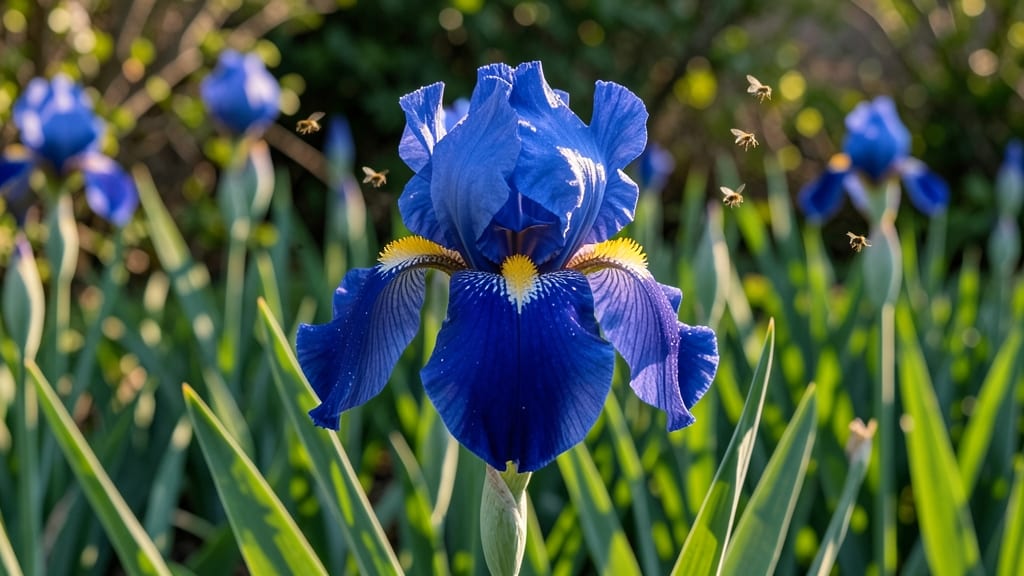
Want to add bold, long-lasting color to your cutting garden while attracting bees and butterflies? Bearded Iris 'Blue Denim' delivers rich blue flowers with golden yellow beards that stand out in spring borders, and its sturdy stems make it a florist favorite. This classic variety blooms 3-4 weeks earlier than most bearded irises, giving you vibrant color when other flowers are still dormant.
Plant rhizomes in full sun (6+ hours daily) with well-draining soil, spacing them 12-18 inches apart for optimal air circulation. Unlike moisture-loving irises, 'Blue Denim' thrives in average garden soil and tolerates dry spells once established—just avoid soggy conditions. The prominent yellow beards create a striking contrast against the deep blue petals, and each bloom lasts 7-10 days in the garden or vase.
Perfect for cutting gardens, pollinator-friendly landscapes, or traditional borders, this iris requires almost no summer care after planting. Gardeners in USDA zones 3-9 will love its low-maintenance resilience—it spreads slowly and handles heat, humidity, and cold with equal ease. Add it to your spring garden for effortless color that keeps giving. 🌟
Aril Iris 'Blue River'
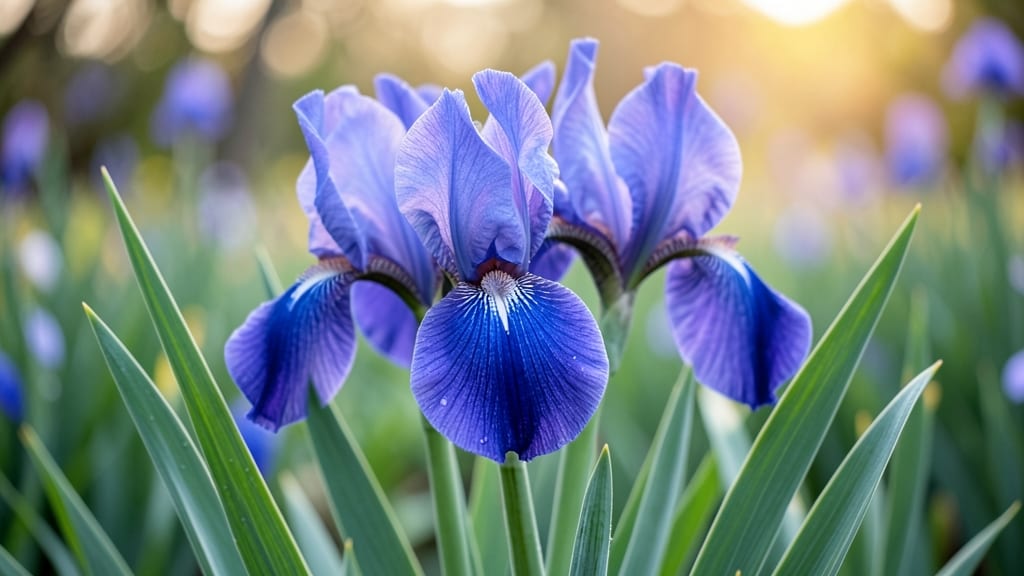
Looking for an iris that delivers both stunning early spring color and long-lasting cut flowers for your home? The Aril Iris 'Blue River' is a game-changer—this hybrid combines dramatic blue-violet blooms with a vase life of 10-14 days, making it the perfect bridge between garden and indoors.
Unlike traditional irises, 'Blue River' thrives in full sun to partial shade (6+ hours daily) and prefers well-draining soil—ideal for gardeners who want versatility. Its white falls contrast beautifully with the deep violet petals, creating a striking two-tone effect that florists love. For best results, plant rhizomes just below soil level in early fall or spring, spacing them 12-18 inches apart to allow airflow.
This iris is a must-have for floral enthusiasts who crave early blooms with double duty—brighten your garden while filling vases with fresh-cut stems that last. Perfect for cottage gardens, cutting gardens, or even as a gift-worthy bloom! ✨
Siberian Iris 'Blue Wave'
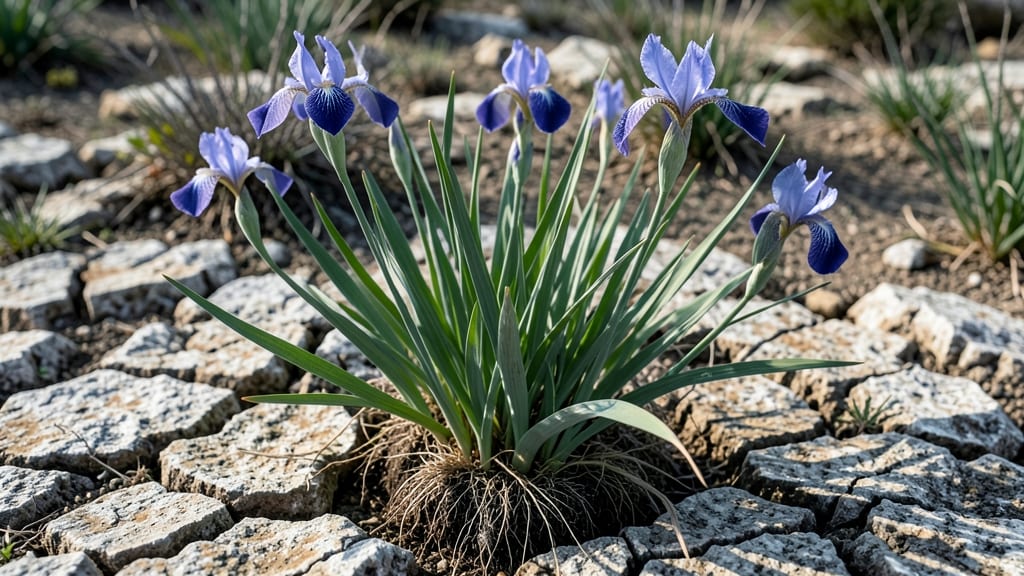
If you're dreaming of a low-maintenance garden that blooms early and survives on minimal water, Siberian Iris 'Blue Wave' is your answer. This resilient variety thrives in poor, rocky soils and drought conditions, making it perfect for xeric landscapes or areas where other plants struggle to take root.
With waves of blue-violet flowers that appear in early spring, 'Blue Wave' brings vibrant color without demanding rich soil or constant care. Plant rhizomes in full sun to partial shade (at least 4 hours of sunlight daily) and water sparingly—this iris tolerates dry spells once established. Its compact, clumping habit prevents aggressive spreading, keeping it tidy in borders or wildflower meadows.
Ideal for gardeners in USDA zones 3-8, this variety is a drought-proof choice for modern, sustainable landscapes. Whether you're reviving a neglected garden or designing a water-wise space, 'Blue Wave' delivers stunning early blooms with almost no effort. 🌻
Pacific Coast Iris 'Blue Magic'
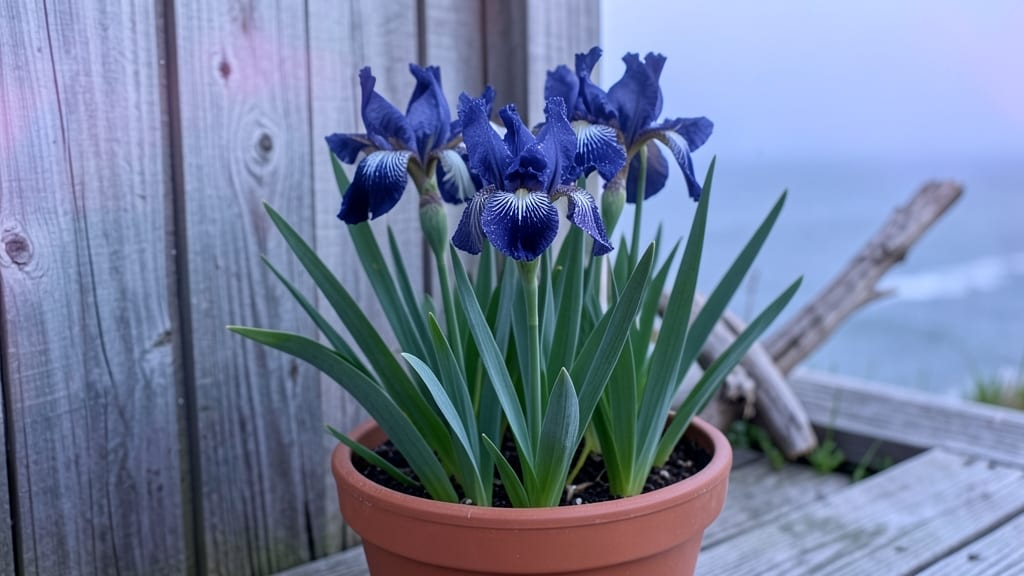
If you love coastal charm but lack space for sprawling perennials, Pacific Coast Iris 'Blue Magic' is your perfect compact powerhouse. This early spring standout delivers deep blue blooms with crisp white signalments, thriving in containers or tight borders where other irises flop.
Unlike its moisture-loving cousin 'Blue Flag', 'Blue Magic' adapts to coastal conditions—salt spray, wind, and sandy soils—while still needing well-draining soil and morning sun (3-4 hours daily). Its 18-inch height makes it ideal for patio planters, window boxes, or seaside gardens, where it adds drama without overwhelming small spaces. Deadhead spent blooms to encourage a second flush in late spring.
Urban gardeners and balcony enthusiasts will adore this low-fuss beauty—it’s the only coastal iris that performs equally well in containers or garden beds. Pair it with lavender or succulents for a drought-tolerant coastal display that thrives year-round. ✨
Louisiana Iris 'Blue Moon'
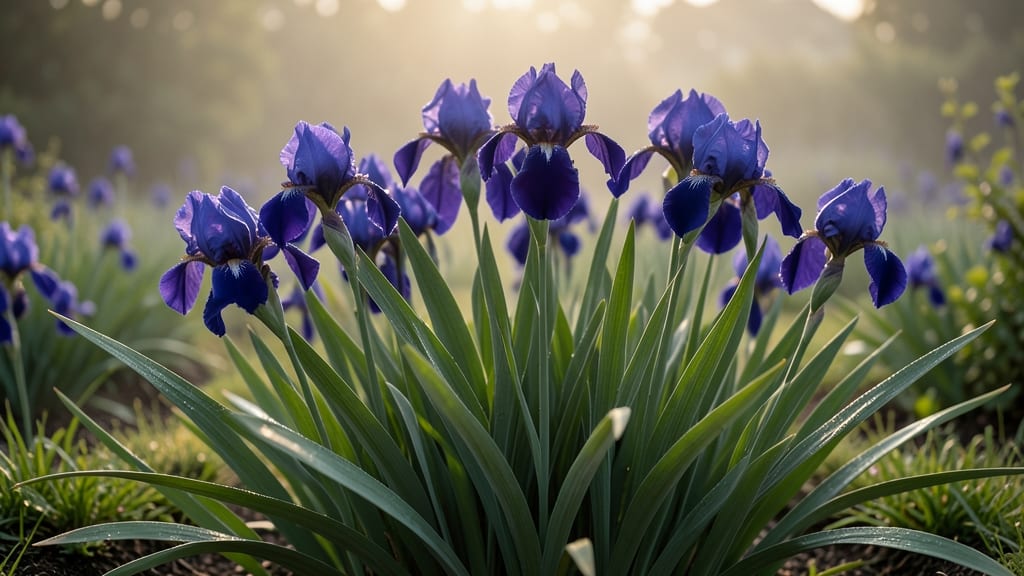
If you're a southern gardener craving iris blooms that last beyond spring, the Louisiana Iris 'Blue Moon' is your secret weapon. Unlike most irises that fade after one flush, this variety delivers deep blue-violet flowers twice a year—once in late spring and again in summer—while thriving in the humidity that challenges other plants.
Plant rhizomes in full sun (6+ hours daily) with rich, moist soil that drains well. The golden centers of its blooms create a striking contrast against the deep violet petals, and its tropical resilience makes it perfect for zones 6-10. Prune spent blooms to encourage the second flush, and watch your garden stay vibrant when other irises have retired for the season.
This is the only late-spring iris that doubles as a summer performer, making it ideal for gardeners who want extended color without extra work. Pair it with canna lilies or hibiscus for a lush, heat-loving display that keeps giving. ✨