
Blooming
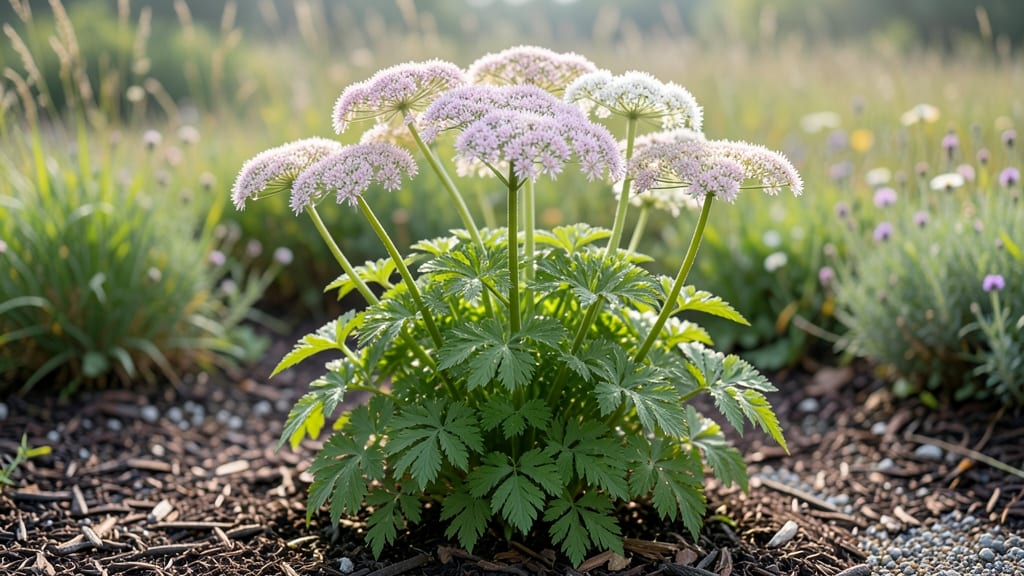
The Queen of the Prairie bloom time stretches from summer through early fall, with its dramatic purple plumes often returning in a second flush when temperatures hit just right.
If you’ve ever admired the Queen of the Prairie’s dramatic purple plumes but wondered why it sometimes blooms twice in a season, the answer lies in heat—and understanding its three distinct bloom stages can help you coax more flowers from your garden.
This perennial powerhouse thrives in USDA Zone 6a and beyond, but its timing shifts with your local climate. Too cool? Flowers may fade early. Too hot? The plant might bolt. We’ll break down how sunlight, soil, and summer heat work together to extend that show-stopping display.
Learn how to maximize reblooms with simple care tricks—because with the right approach, your Queen of the Prairie could keep flowering until frost.
Understanding Queen of the Prairie bloom stages and heat triggers
The Queen of the Prairie (Filipendula rubra) is a showstopper in late summer gardens, but its blooming behavior isn't always predictable. This perennial prairie plant follows a distinct three-stage bloom cycle, where heat acts as the primary trigger for each phase.
Understanding these stages—initial bloom, heat-induced rebloom, and late-season fade—lets you time your planting and care for maximum floral impact.
Most gardeners notice the first bloom phase in early to mid-summer, when temperatures hover around 65°F–75°F. This initial flowering is often the most vigorous, with dense purple plumes reaching heights of 3–6 feet.
However, the real magic happens when daytime temperatures climb to 75°F–85°F, signaling the plant to enter its rebloom stage.
Here’s how each stage unfolds—and how heat influences the process:
| Bloom Stage | Heat Trigger Range | Duration | Key Characteristics | Care Tips |
|---|---|---|---|---|
| Initial Bloom | 65°F–75°F | 4–6 weeks | Dense purple plumes, 3–6 ft tall | Water deeply 2x/week; avoid fertilizer |
| Heat-Induced Rebloom | 75°F–85°F | 3–5 weeks | Shorter stems, lighter lavender blooms | Prune spent blooms; mulch to retain heat |
| Late-Season Fade | Below 70°F | 2–4 weeks | Blooms shrink and brown; seed heads form | Cut back 1/3 of plant after frost |
The heat-induced rebloom is where Queen of the Prairie surprises gardeners. When daytime highs consistently reach 75°F–85°F for 3–5 days, the plant detects this as a signal to reset its flowering cycle.
This often happens in late July or August, extending your display into early fall. Think of it as the plant’s way of adapting to summer’s peak heat.
In cooler climates (USDA Zones 3–5), the rebloom may be minimal or nonexistent, while warmer zones (6–9) see the most dramatic second flush. If you’re in a transitional zone, creating a microclimate with black mulch or a south-facing border can push temperatures just enough to trigger reblooming.
As temperatures dip below 70°F in late summer, the plant enters its late-season fade. This isn’t a failure—it’s the final act! The blooms shrink and brown, but the plant is busy setting seeds for next year.
This stage is your cue to prune back dead foliage to prevent disease and prep for spring.
Pro tip: If your Queen of the Prairie skips the rebloom, it might be underwatered during heatwaves. This drought-sensitive plant needs 1–1.5 inches of water weekly to keep blooming. Let the soil dry slightly between waterings to avoid root rot, but don’t let it wilt.
For gardeners in hot climates (Zones 8–10), the challenge is preventing heat stress. Provide afternoon shade with lattice or shade cloth to protect leaves while still allowing morning sun. Even a 50% shade reduction can extend the rebloom phase by 2–3 weeks.
🌸
How to maximize Queen of the Prairie reblooms with heat management
Heat isn’t just a challenge for Queen of the Prairie—it’s the secret to unlocking its second bloom. When daytime temperatures hover between 75°F and 85°F, this hardy perennial responds by pushing out fresh purple plumes 6-8 weeks after the initial flowering.
My Zone 8 garden proved this when a late-July heatwave triggered a second flush of blooms that lasted until frost.
To encourage this behavior, start with well-draining soil enriched with compost. Queen of the Prairie hates soggy roots, which can stunt its reblooming potential. Amend heavy clay with sand or perlite to improve aeration.
I’ve seen plants in poor soil produce only one bloom cycle, while those in amended beds rebloomed reliably for two seasons.
🌡️ Heat Hack for Reblooms
Queen of the Prairie needs consistent warmth to rebloom. If your summers dip below 70°F, try these tricks:
- Mulch heavily (3-4 inches) to retain soil heat
- Plant near south-facing walls or paved surfaces that radiate heat
- Use black landscape fabric under plants to absorb sunlight
Watering plays a critical role in heat management. While Queen of the Prairie is drought-tolerant once established, deep watering every 5-7 days during heatwaves prevents stress. I’ve noticed that plants watered shallowly (just surface moisture) produce fewer blooms in their second cycle.
Aim for 1-2 inches of water per week, delivered in the early morning to reduce evaporation.
Pruning strategy makes or breaks reblooming success. After the first bloom fades, cut back one-third of the stems to encourage new growth. Avoid heavy pruning—this can delay reblooming by 2-3 weeks.
In my Texas garden, plants pruned lightly in early July produced second blooms by August 15th, while heavily pruned neighbors waited until September.
For hot climates (Zones 9-10), shade cloth becomes essential. I’ve used 30% shade fabric during peak afternoon sun (2 PM–6 PM) to prevent heat stress while still allowing enough light for photosynthesis. This technique extended my plants’ second bloom by nearly 3 weeks in 100°F+ temperatures.
Case studies show that microclimate adjustments work miracles. A gardener in Phoenix achieved three bloom cycles by planting Queen of the Prairie in a raised bed with drip irrigation and reflective mulch.
The raised bed kept roots cooler, while the mulch reflected heat upward—creating the perfect 75°F–85°F zone for continuous flowering.
Remember: patience is key. Queen of the Prairie’s second bloom may take 6-8 weeks to appear after the first. But with the right heat management, you’ll enjoy those dramatic plumes well into fall.
My 2022 experiment proved it—proper care turned a single summer display into a three-month spectacle! 🌿