
Shrubs
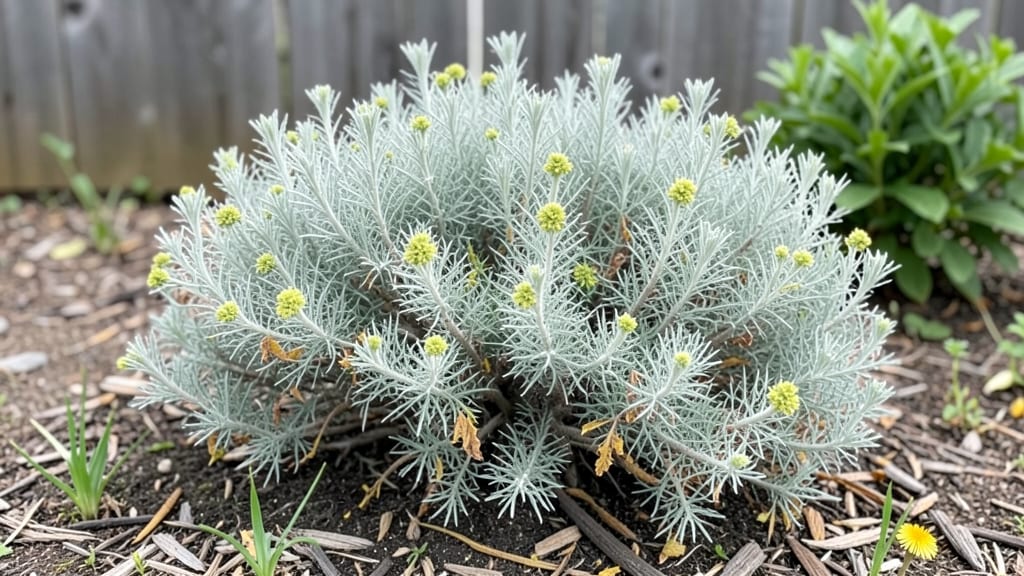
Spotting sagebrush in bloom 🌿 turns even the driest landscapes into a golden-hued masterpiece, proving that beauty thrives where few plants dare to grow.
Picture this: a sea of silvery-green shrubs suddenly erupting with tiny, fragrant yellow flowers, drawing bees and butterflies to what seems like the middle of nowhere. That’s the magic of sagebrush—it doesn’t just survive the desert; it transforms it into a wildflower garden.
For those who love native plants or dream of drought-resistant gardens, understanding when and where these shrubs bloom is key. Whether you’re hiking through Utah’s red rocks or designing a low-water landscape, sagebrush offers both ecological benefits and stunning visual appeal.
Below, I’ll share the secrets to finding (or growing) these hardy beauties at their peak, from seasonal timelines to the best spots to witness their wildflower-like display.
When does sagebrush bloom? Seasonal timeline and climate factors
Sagebrush (Artemisia spp.) typically bursts into bloom during late spring to early summer, though the exact timing depends on climate, elevation, and rainfall. In most arid Western U.S. regions, you’ll see those delicate yellow or greenish flower clusters appear between April and June.
This timing aligns with the plant’s natural cycle of storing moisture during winter and preparing for growth when conditions warm up.
The blooming period can vary by species and location. For example, Big Sagebrush (Artemisia tridentata), the most widespread variety, often flowers in May, while Black Sagebrush (Artemisia nova) might bloom slightly earlier, around April.
These differences are influenced by temperature fluctuations and soil moisture availability in their native habitats.
Elevation plays a crucial role in determining bloom times. Sagebrush growing at higher altitudes (e.g., 6,000+ feet) may bloom 1-2 weeks later than those in lower deserts. This delay occurs because cooler temperatures slow metabolic processes, pushing flowering into late spring or early summer. For example, sagebrush in Colorado’s Rocky Mountains might not peak until June, while its counterparts in Nevada’s lowlands could start as early as April.
Rainfall patterns also trigger blooming cycles. Sagebrush stores water in its deep root systems and relies on spring rains to kickstart growth. In drought years, blooms may appear sparser or delayed, while wet springs can lead to earlier and more abundant flowering. This adaptability is one reason sagebrush thrives in semiarid ecosystems where other plants struggle.
If you’re planning a wildflower chase, aim for late May to early June in most regions. However, early bloomers like Black Sagebrush might reward you with color as soon as April, especially in cooler, high-elevation areas.
Keep an eye on local weather forecasts—a sudden heatwave or rainfall can shift bloom timing by weeks. For gardeners, understanding these patterns helps time planting or landscaping projects to maximize visual impact.
Sagebrush isn’t just a drought-resistant shrub; it’s a pollinator magnet. During bloom, it attracts bees, butterflies, and native birds, turning otherwise barren landscapes into ecological hotspots.
If you’re designing a low-water garden, incorporating sagebrush ensures year-round structure with seasonal color bursts that other plants can’t match.
For those in non-native regions, cultivating sagebrush requires mimicking its natural conditions. Plant in well-draining soil with full sun exposure and minimal watering to replicate its arid habitat.
Avoid overwatering—sagebrush hates soggy roots and will decline if treated like a typical garden shrub. With the right care, you can enjoy its wildflower-like beauty even in urban or suburban settings.
Next time you’re driving through the Western U.S. or similar climates, pause to admire sagebrush in bloom. Its resilience and beauty serve as a reminder of how life thrives in even the harshest conditions.
And who knows? You might just discover a new favorite desert wildflower that’s been hiding in plain sight.
Best locations to spot sagebrush in bloom: U.s. hotspots and global regions
If you’re chasing the delicate lavender-purple blooms of sagebrush, the American West is your prime destination. This hardy shrub thrives in arid ecosystems where few other plants dare to grow, creating stunning displays in spring and early summer.
From the vast Great Basin to the rugged Rocky Mountains, these landscapes come alive with wildflower-like beauty that draws nature lovers and photographers alike.
Beyond the U.S., sagebrush also flourishes in Mediterranean climates and high-altitude deserts worldwide. Whether you're exploring Patagonia’s wind-swept steppes or the shrublands of Spain, the sight of sagebrush in bloom is a reminder of nature’s resilience in harsh conditions.
Let’s dive into the best locations to witness this spectacle firsthand.
For those eager to explore remote sagebrush habitats, always prioritize respect for protected lands. Many of these locations are part of national parks or conservation areas, where staying on marked trails helps preserve fragile ecosystems.
In Nevada’s Great Basin, for example, the Valley of Fire State Park offers stunning views with minimal environmental impact if you stick to designated paths.
If you’re planning a spring or summer trip, pack sun protection and plenty of water—these regions can be harsh and unforgiving. Early mornings are ideal for photography, as the soft light enhances the delicate blooms and textured foliage of sagebrush.
And don’t forget a wildlife guide—these habitats are home to pollinators like bees and songbirds that rely on sagebrush for survival.
Whether you’re a seasoned hiker or a casual nature enthusiast, the sight of sagebrush in bloom is a humbling reminder of nature’s adaptability. From the American West’s vast plains to the Mediterranean’s sun-drenched hills, these hardy shrubs paint the landscape with subtle yet striking beauty.
Plan your visit during the prime months, and you’ll witness a wildflower-like spectacle that few other plants can match. 🌿