
Pruning
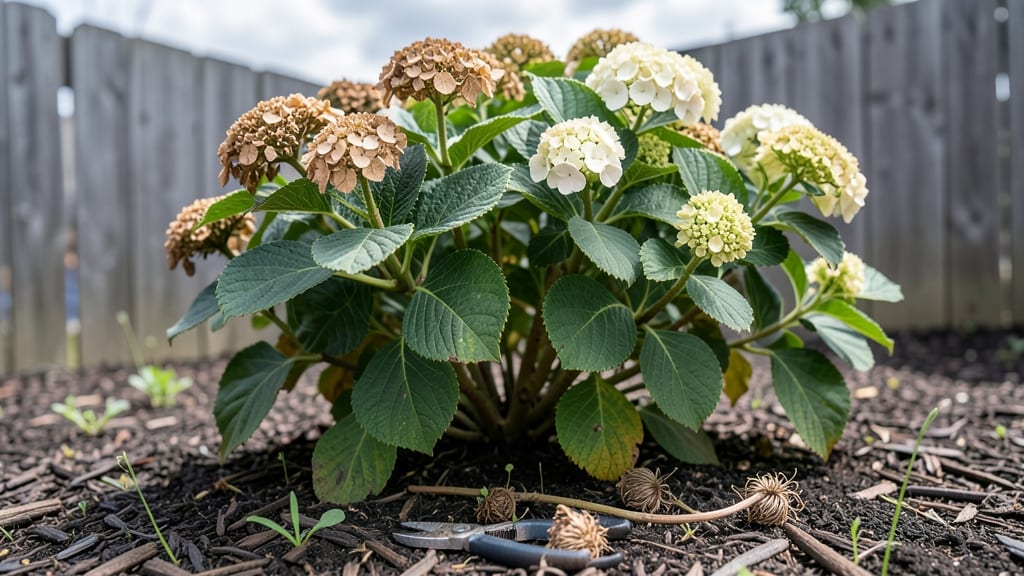
Deadheading hydrangea blooms promotes more flowers by redirecting energy to new growth, but timing depends on the variety—late bloomers like 'Endless Summer' benefit from cutting back after frost, while early bloomers should be pruned right after flowering. Always use clean, sharp shears to avoid disease.
Deadheading isn’t just about aesthetics—it’s a strategic way to encourage your hydrangeas to focus their energy where it matters most. 🌸 For varieties like bigleaf hydrangeas, removing faded blooms redirects nutrients to next year’s flower buds, while panicle types (which bloom on new growth) reward you with fresh clusters if you trim back stems by ⅓ after they’ve finished flowering.
The key is patience: rushing the process or using dull tools can stress the plant, so always sterilize your shears with rubbing alcohol between cuts.
Timing is everything, especially in climates with harsh winters. Early bloomers like 'Annabelle' need their spent flowers removed immediately to prevent seed formation, while late-season varieties can wait until spring—just be sure to leave some stems intact if you’re unsure about the type.
I’ve found that a light layer of mulch after pruning helps retain moisture and protects the roots during dormancy.
💡 In This Article
- How Deadheading Affects Hydrangea Flower Types
- Step-by-Step Deadheading Guide for Hydrangeas
How deadheading affects hydrangea flower types
The biological difference between hydrangea types starts with their growth habits. Mophead varieties like 'Nikko Blue' produce flowers on old wood—buds that formed the previous growing season. When you deadhead these after they bloom, you're removing the old flower stems, but the plant has already set next year's buds.
Cutting too aggressively risks removing next season's blooms entirely. The key is to trim just above the first set of leaves or buds below the spent bloom.
Lacecap hydrangeas, such as 'Limelight,' also bloom on old wood but have a different structure—their smaller flowers grow around the edges of the cluster. Deadheading these after flowering encourages the plant to produce more blooms next year by redirecting energy.
Panicle types like 'Little Lime' are different: they bloom on new growth, meaning you can prune them back by ⅓ after flowering without harming next year's blooms. This aggressive pruning actually stimulates bushier growth and more abundant flowers.
Here's what's actually happening at the cellular level: when you remove spent blooms, the plant's hormonal balance shifts. Auxin, a growth hormone, moves away from the cut area, stimulating lateral buds to grow.
In old-wood bloomers, this means the plant focuses on leaf and root growth to store energy for next year's flowers. In new-wood bloomers, it triggers the production of fresh stems that will bear next season's blooms. The timing of this hormonal response explains why late bloomers can wait until spring.
Consider these key factors when choosing your approach:
- Old-wood bloomers: Deadhead immediately after flowering to prevent seed formation, but avoid heavy pruning. Varieties include 'Endless Summer' (which can bloom on both old and new wood) and 'PeeGee' hydrangeas.
- New-wood bloomers: Prune back by ⅓ after flowering to encourage bushier growth. Examples include panicle types like 'Grandiflora' and 'Limelight' (though some sources classify this as old wood—always check your specific variety).
- Reblooming varieties: These hybrid types (like 'Endless Summer') can bloom on both old and new wood. For these, you can deadhead after the first flush of flowers to encourage a second bloom.
The science behind this involves the plant's energy allocation system. Hydrangeas allocate about 20-30% of their energy to flower production during peak growing seasons.
When you remove spent blooms, you're essentially telling the plant to reallocate that energy to either new growth (in new-wood types) or to build stronger roots and leaves (in old-wood types) for next year's blooms.
This is why proper deadheading can result in 20-50% more flowers the following season, depending on the variety and growing conditions.
What most people don't realize is that deadheading also improves air circulation around the plant. Dense foliage can trap moisture, creating ideal conditions for fungal diseases like powdery mildew. By removing spent blooms, you're not just encouraging more flowers—you're also creating a healthier environment for your hydrangea to thrive.
The visual impact is immediate: your plant will look fuller and more vibrant, with fewer brown, dried-up blooms marring the landscape. 🌿