
Blooming
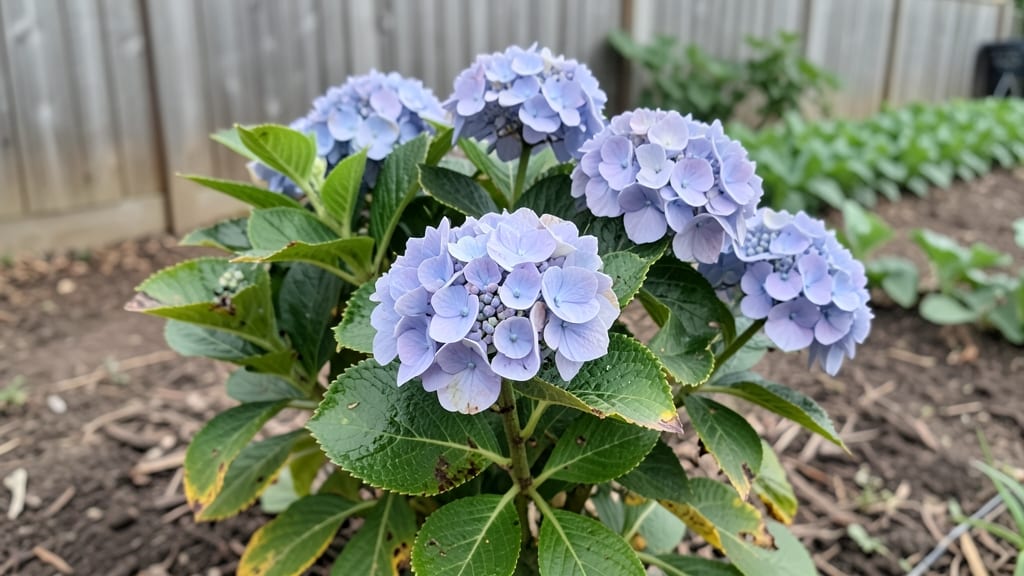
Your hydrangea blooms might be small because of one simple mistake most gardeners make—pruning at the wrong time. I’ve watched my compact hydrangeas like 'Little Lime' explode into lush clusters just by adjusting when I reach for the shears, and the secret isn’t complicated.
The key is understanding whether your variety blooms on old wood, new wood, or both—and pruning accordingly to encourage the size you want.
First, identify your hydrangea type: mopheads and bigleaf varieties (like 'Endless Summer') need a different approach than lacecaps or the smaller-flowered types. For big blooms, prune right after flowering in late summer or early fall—this lets next year’s flower buds form on the current season’s growth.
If you’re happy with smaller blooms (like on 'Annabelle'), a light trim in late winter keeps them tidy without sacrificing flower power. The goal? More buds, not fewer.
You’ll see the difference in just one growing season: instead of tight clusters, you’ll get fuller, brighter blooms that last longer. The trick is patience—hydrangeas reward careful pruning with dramatic results.
And don’t forget: healthy soil and consistent watering make all the difference. Once you nail the timing, your hydrangeas will become the showstopper of your garden.
This works for both in-ground plants and container-grown hydrangeas, so whether you’re working with a single pot or a full garden bed, the same principles apply. Let’s get those blooms popping!
Root Causes of Tiny Blooms
If your hydrangeas are putting out adorable but undersized blooms instead of the lush, show-stopping clusters you dream of, the issue likely stems from one (or more) of these key factors.
Understanding the science behind each will help you diagnose—and fix—the problem before next season. Let’s dig into why your hydrangeas are playing it small.
🌱 Insufficient bud formation last season
Hydrangeas form flower buds on new wood (current year’s growth) or old wood, depending on the variety. But if the plant didn’t get enough energy to develop large, healthy buds in spring or summer, the result? Tiny blooms.
- Why it happens: Bud size is directly tied to the plant’s photosynthesis output and nutrient reserves. If your hydrangea was stressed (drought, poor soil, or overcrowding), it diverted energy to survival instead of flower development.
- Science deep dive: Flower buds are essentially meristematic cells (growth centers) that swell as they store starches and sugars. Without enough sunlight or water, these cells stay stunted.
- Actionable fix:
- 💡 Boost summer care: Water deeply 1–2x/week (check soil 2" down—it should feel like a damp sponge).
- 🌡️ Fertilize strategically: Use a balanced fertilizer (10-10-10) in early summer to fuel bud growth. Avoid high-nitrogen feeds—it promotes leaves over flowers.
- ✨ Prune at the right time: For mophead or bigleaf hydrangeas (which bloom on old wood), prune right after flowering to encourage next year’s buds.
⚡ Over-pruning or wrong timing
Pruning is a double-edged sword for hydrangeas. Cut too much—or at the wrong time—and you’re essentially telling the plant, “Hey, let’s make these blooms tiny!”
- Why it happens:
- Old-wood bloomers (e.g., Hydrangea macrophylla): If you prune in late winter or early spring, you’re removing last year’s flower buds before they’ve had a chance to bloom.
- New-wood bloomers (e.g., Hydrangea paniculata): Pruning too late (after July) can stunt the current year’s growth, leading to weak, undersized blooms.
- Science deep dive: Hydrangeas rely on auxin hormones (produced in growing tips) to regulate flower size. Over-pruning disrupts this balance, causing apical dominance to shift—resulting in smaller, less vibrant blooms.
- Actionable fix:
- 🔪 Know your hydrangea: Use this quick guide:
Type Bloom Time Prune When Mophead/Bigleaf Summer (June–July) Right after flowering (or late winter only if dead wood remains) Panicle (e.g., ‘Limelight’) Late summer–fall Late winter/early spring (before new growth starts) - 🌿 Shape don’t shear: Remove only dead or crossing branches. Never cut more than 1/3 of the plant in one go.
- 🔪 Know your hydrangea: Use this quick guide:
💧 Water or nutrient deficiencies
Hydrangeas are thirsty divas—they demand consistent moisture and nutrients to produce show-stopping blooms. Skimp, and you’ll get… well, tiny blooms.
- Why it happens:
- Drought stress: Hydrangeas native to humid, well-drained forests need 1–1.5 inches of water weekly. Let them dry out, and their cells plasmolyze (shrink), stunting flower development.
- Nutrient imbalances:
- Too much nitrogen: Leads to leafy growth at the expense of flowers.
- Too little phosphorus: Phosphorus is the “flower power” nutrient. Low levels = small, weak blooms.
- Calcium/magnesium deficiency: Causes blossom end rot (brown, mushy buds) or stunted growth.
- Science deep dive: Flower size is linked to cell expansion during bud formation. Water and nutrients (especially boron and potassium) regulate osmotic pressure in cells, allowing them to swell properly.
- Actionable fix:
- 💦 Water like a pro:
- Use drip irrigation or soaker hoses to deliver water slowly and deeply.
- Avoid overhead watering (can cause fungal issues).
- Mulch with 3–4 inches of organic mulch (e.g., shredded bark) to retain moisture.
- 📊 Test your soil: A simple home soil test kit ($10–$20) will reveal pH and nutrient levels. Aim for:
- pH 5.5–6.2 (ideal for most hydrangeas).
- Phosphorus (P): 40–60 ppm in soil.
- 🌱 Feed the right way:
- Spring: Balanced fertilizer (10-10-10).
- Summer: Phosphorus-rich fertilizer (e.g., 5-10-10) to boost blooms.
- Avoid slow-release fertilizers—they can burn roots if overapplied.
- 💦 Water like a pro:
🌡️ Extreme temperatures or sunlight issues
Hydrangeas are temperature-sensitive. Too much heat, too little light, or sudden cold snaps can throw their growth cycle off balance—leading to petite blooms.
- Why it happens:
- Heat stress: Temperatures above 90°F (32°C) can cause flower bud abortion (buds drop off or stay tiny).
How to solve it
If your hydrangeas are putting out tiny blooms instead of lush, showstopping clusters, don’t toss them out—just tweak their care! The key is understanding what’s limiting their growth and addressing it with targeted fixes.
Below, we’ll break down the most common causes of small blooms and provide practical, step-by-step solutions to help your hydrangeas rebound in next year’s bloom season.
###
🌱 Cause 1: Over-Pruning or Wrong Pruning Time
Hydrangeas bloom on old wood (last year’s growth) or new wood (current season’s growth), depending on the variety. If you prune at the wrong time or cut back too aggressively, you’ll sacrifice next year’s flower buds.
How to Fix It:
- ⏰ Prune at the right time:
- Bigleaf (mophead/lacecap) hydrangeas: Prune in late winter or early spring (just as new buds swell) to avoid cutting off old wood buds.
- Panicle hydrangeas: Prune in late winter or early spring to encourage new growth (they bloom on current season’s stems).
- Smooth hydrangeas: Prune in late summer after blooming to preserve next year’s buds.
- ✂️ Use the “third of the stem” rule: Cut back only the oldest, least productive stems—never more than 1/3 of the plant. Leave at least 3-5 buds per stem to ensure new growth.
- 🔄 Shape strategically: Remove dead, weak, or crossing branches first. Then, trim back only the tips of stems that have already bloomed (for old-wood types).
💡 Prevention Tips:
- Mark stems after pruning with a ribbon or paint to track which branches you’ve trimmed.
- Avoid summer pruning for bigleaf varieties—it removes next year’s flower buds!
- Take photos of your hydrangea’s structure before pruning for reference.
###
💧 Cause 2: Inconsistent Watering or Poor Soil
Hydrangeas thrive in moist, well-draining soil with rich organic matter. Drought stress or compacted soil stunts growth, leading to smaller blooms.
How to Fix It:
- 💦 Water deeply and regularly:
- Water 1-2 inches per week (more in extreme heat).
- Use drip irrigation or soaker hoses to keep roots consistently moist.
- Avoid overhead watering—it can cause fungal issues.
- 🌿 Amend the soil:
- Mix in compost or aged manure to improve fertility.
- Test soil pH (hydrangeas prefer 5.5–6.2 for blue blooms or 6.0–7.0 for pink).
- Add mulch (2–3 inches) around the base to retain moisture and cool roots.
- 🔄 Fertilize for blooms: Use a balanced, slow-release fertilizer (like 10-10-10) in early spring and mid-summer. Avoid high-nitrogen fertilizers—they promote leaves over flowers!
💡 Prevention Tips:
- Install a rain gauge near your hydrangeas to track watering needs.
- Use a moisture meter to check soil dampness before watering.
- Avoid planting in low spots where water pools—hydrangeas hate soggy roots.
###
☀️ Cause 3: Too Much Sun or Heat Stress
While hydrangeas love sunlight, intense afternoon sun in hot climates can scorch leaves and reduce bloom size. Partial shade helps them conserve energy for bigger flowers.
How to Fix It:
- 🌳 Provide afternoon shade:
- Plant near trees or structures that offer dappled shade (especially in zones 7+).
- Use lightweight shade cloth (30–50%) if no natural shade exists.
- 🌡️ Protect from heat waves:
- Mist leaves on very hot days (early morning or evening).
- Apply a light mulch to insulate roots from heat.
- 🌱 Choose heat-tolerant varieties: If your location is extremely hot, opt for panicle hydrangeas (like ‘Limelight’) or oakleaf hydrangeas, which handle heat better than bigleaf types.
💡 Prevention Tips:
- Monitor leaf color—yellowing or crispy edges mean too much sun.
- Group hydrangeas with other shade-loving plants (like hostas or ferns) for mutual benefit.
- Water in the morning to reduce evaporation and heat stress.
###
🐞 Cause 4: Pests or Diseases Weakening Growth
Spider mites, aphids, and fungal diseases (like powdery mildew) sap energy from hydrangeas, leading to stunted blooms. A quick treatment can restore their vigor.
How to Fix It:
- 🐜 Spot and treat pests:
- Spider mites: Spray with neem oil or water + dish soap (1 tsp soap per quart of water).
- Aphids: Blast off with a strong water spray or use insecticidal soap.
- Scale insects: Scrape off with a soft brush and treat with horticultural oil.
- 🍄 Fight fungal issues:
- Powdery mildew: Apply baking soda spray (1 tsp baking soda + 1 quart water + a drop of soap) weekly.
- Leaf spot: Prune infected leaves and water at the base (not overhead) to prevent spread.
- 🌿 Boost plant resilience:
- Prune for airflow—thin out dense foliage to reduce humidity pockets where fungi thrive.
- Use copper fungicide as a preventive spray in spring.
💡 Prevention Tips:
- Inspect leaves weekly for early signs of pests (tiny webs, sticky residue, or white powder).
- Avoid overhead watering to keep foliage dry.
- Rotate organic sprays (like neem oil and compost tea) to prevent resistance.
###
⏳ Cause 5: Hydrangea Isn’t Mature Enough
Hydrangeas often take 2–3 years to reach full bloom potential. If your plant is young, patience (and proper care) will pay off!
How to Fix It:
- 🌱 Give it time:
- Most hydrangeas bloom heavily by year 3 if given the right conditions.
- Focus on root development—water deeply and fertilize lightly in the first year.
- 🔄 Encourage growth:
- Prune lightly
Frequently asked questions
Why do my hydrangeas have small blooms?
Small blooms often result from improper pruning timing, nutrient deficiencies, or inconsistent watering. For example, pruning bigleaf hydrangeas in late winter can remove next year’s flower buds. Ensure you prune after blooming for old-wood types or in early spring for new-wood varieties like panicle hydrangeas. Also, hydrangeas need 1–1.5 inches of water weekly and balanced fertilization to encourage larger buds.
How can I encourage bigger blooms on my hydrangeas?
Focus on three key steps: prune at the right time, water deeply, and fertilize properly. For instance, after blooming, prune bigleaf hydrangeas lightly to preserve next year’s buds. Use a 10-10-10 fertilizer in early spring and mid-summer, and mulch with organic matter to retain moisture. These adjustments help hydrangeas like 'Endless Summer' produce fuller, brighter blooms.
Can I prune my hydrangeas in the summer?
Summer pruning can harm blooming potential, especially for bigleaf hydrangeas. These varieties bloom on old wood, so cutting them in summer removes next year’s buds. Instead, prune after blooming or in late winter if only dead wood remains. For panicle hydrangeas, prune in late winter or early spring to encourage new growth for the next season.
What’s the best way to water hydrangeas for bigger blooms?
Water deeply and consistently—aim for 1–2 inches of water per week, especially during dry spells. Use drip irrigation or soaker hoses to keep roots moist without wetting the leaves, which can cause fungal issues. Mulching with 3–4 inches of organic material helps retain moisture and keeps roots cool, supporting healthier, larger blooms.
Are there specific hydrangea varieties that naturally have smaller blooms?
Yes! Varieties like 'Annabelle' and 'Little Lime' are known for their compact, fuller clusters of smaller blooms. These types prioritize quantity over individual bloom size, creating a lush, voluminous look. If you love the charm of tiny blooms, these varieties are perfect—just ensure they get proper care to maintain their full, abundant appearance.