
Flowers
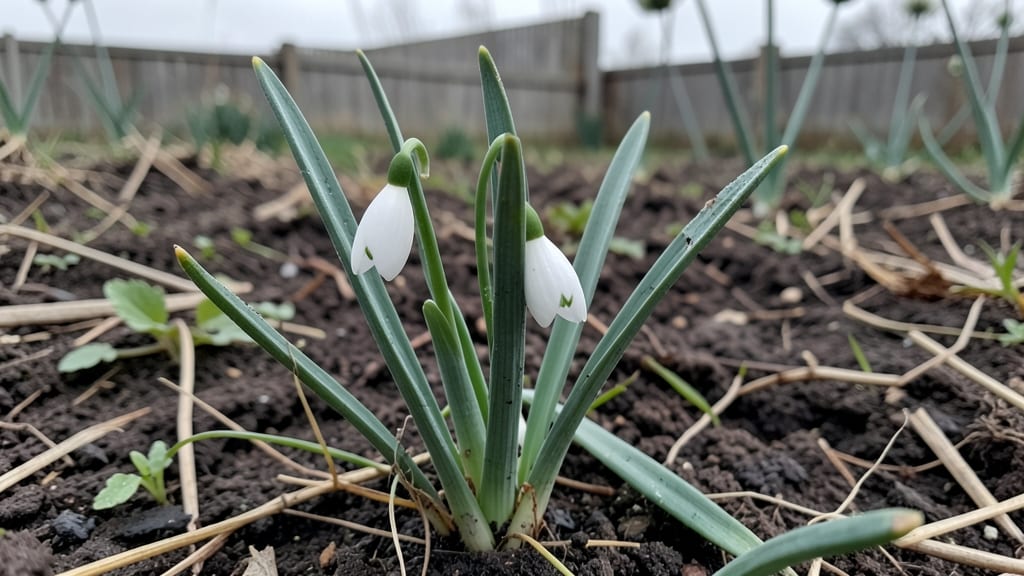
Seeing snowdrops in bloom is one of the first true joys of spring—those tiny white bells peeking through winter’s last grip.
The first delicate blooms of snowdrops signal winter’s end and spring’s quiet arrival—but spotting them requires timing, patience, and a keen eye. Learn when and where to find these enchanting harbingers of spring before they vanish for another year.
These hardy 🌱 perennials thrive in USDA Zone 6a and beyond, often appearing as early as late winter or early spring, depending on your region. Their resilience makes them a favorite among gardeners eager to welcome color after the gray months.
Whether you’re a seasoned gardener or just love the magic of early blooms, I’ll share the best times to spot them, how to create the perfect conditions for their return year after year, and how to pair them with other early spring stars for a showstopping display.
When do snowdrops bloom: seasonal timeline and climate factors
Snowdrops (Galanthus spp.) are nature's first poets, whispering that winter's grip is loosening. Their ephemeral blooms typically appear between late January and early March, but exact timing depends on local climate and microclimates.
In milder regions like the UK's Southwest England, you might spot them as early as December, while colder USDA Zone 4 areas often see blooms in March.
These hardy perennials thrive on cold stratification, meaning they need a period of winter chill to trigger flowering. Without 4-8 weeks below 40°F (4°C), snowdrops may produce fewer blooms or none at all.
This explains why urban heat islands often delay their appearance by 2-3 weeks compared to rural woodlands.
The summary table below breaks down snowdrop bloom timing by region, along with key climate factors that influence their appearance. Use this as your seasonal checklist to plan when and where to look for these enchanting flowers.
| Region | Typical Bloom Window | Key Climate Factors | Microclimate Tips |
|---|---|---|---|
| UK (Southwest) | December - early February | Mild winters, 50-60°F (10-15°C) days | Check south-facing slopes first |
| UK (North) | Late January - March | Cold winters, 30-40°F (-1 to 4°C) nights | Look under deciduous trees for shelter |
| US (Pacific Northwest) | February - March | Marine climate, 45-55°F (7-13°C) days | Check woodland edges near streams |
| US (Midwest) | March - early April | Continental climate, 20-30°F (-6 to -1°C) nights | Look in protected garden beds with mulch |
| Europe (Alpine) | April - May | High altitude, 32-45°F (0-7°C) days | Check rock gardens above 3,000ft |
Altitude plays a surprising role in snowdrop timing. For every 1,000 feet (0.0m) gain in elevation, blooms typically appear 2-3 weeks later. This is why alpine snowdrops might not bloom until April or May, while lowland varieties in the UK often appear by Christmas.
I once spotted Galanthus elwesii blooming in January at sea level in Cornwall, but the same variety didn't appear in my Michigan garden until late March.
Microclimates create pockets where snowdrops thrive earlier than expected. A south-facing wall can warm soil by 10-15°F (-12 to -9°C) compared to open ground, triggering blooms 10-14 days sooner.
Similarly, evergreen trees like rhododendrons provide windbreaks that protect snowdrops from late-season frosts, extending their bloom period by up to 3 weeks.
If you're planting snowdrops to ensure early blooms, focus on well-draining soil with 30-50% organic matter. Amend heavy clay with sand and compost to prevent waterlogging, which can delay flowering.
How to identify snowdrops in the wild: key features and lookalikes
Spotting snowdrops in bloom (Galanthus spp.) in the wild requires sharp eyes and attention to their distinctive features. These early bloomers often appear alongside winter aconite or crocus, making identification tricky.
The key lies in their drooping petals, checkered inner segments, and narrow, strap-like leaves. Unlike many spring flowers, snowdrops thrive in partial shade and often emerge before snow melts completely.
One of the most unmistakable traits of snowdrops is their pendulous outer segments that hang like teardrops. The inner segments often feature green markings, a detail that sets them apart from similar blooms.
Their leaves are smooth-edged and appear before or with the flowers, a clue to their identity when buds haven’t yet opened. These features combined make snowdrops a standout early spring flower.
When comparing snowdrops to winter aconite, note that aconite flowers are bright yellow and lack the green markings inside their petals.
Their leaves are heart-shaped and appear after the flowers bloom, unlike snowdrops. Crocus, another early bloomer, has upright petals and grass-like leaves, often blooming in fall or early winter rather than late winter.
To confirm your find, examine the leaf arrangement and flower structure closely. Snowdrops’ pendulous outer segments and checkered inner markings are unique among early spring flowers. If you’re unsure, snap a photo and compare it to the visual guide above—this will help you distinguish snowdrops from their lookalikes with confidence.
Pro tip: Snowdrops often grow in colonies, so if you spot one, look for more nearby. Their naturalized clusters in woodlands or shaded garden edges are a sure sign you’re in the right place.
Keep an eye out for new growth in late winter, as this is when they first emerge from dormancy.
Once you’ve mastered identifying snowdrops, you’ll appreciate their delicate beauty and resilience in even the coldest months. Their early arrival makes them a beloved harbinger of spring for gardeners and nature enthusiasts alike. Happy hunting!