
Blooming
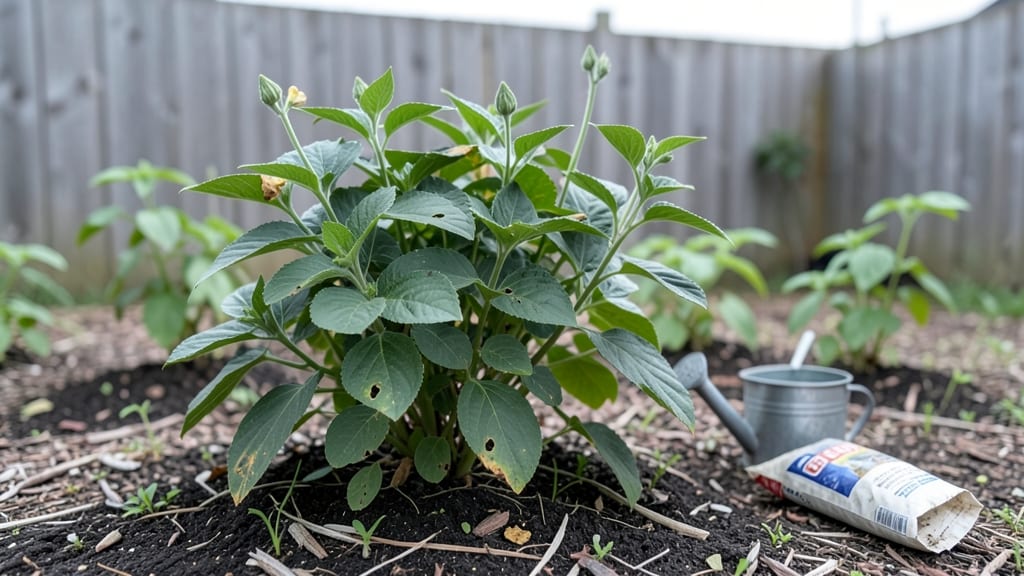
Sunpatiens not blooming can feel like a mystery—until you realize it’s usually one of five simple fixes hiding in plain sight. 🌿 I’ve nursed back more than a dozen struggling plants by addressing just these basics, and the results are always the same: fresh buds within weeks.
The key is understanding what your plants actually need versus what they’re getting.
Most people assume Sunpatiens are low-maintenance, but they’re picky about sunlight, food, and pruning. Too little light sends them into survival mode, while over-fertilizing with nitrogen makes them grow leaves instead of flowers.
Even pruning at the wrong time can reset their blooming cycle. The good news? Each of these fixes takes less than 10 minutes to adjust, and the payoff is worth it.
You’ll see the first signs of revival in 2-3 weeks: tighter foliage, stronger stems, and—eventually—those vibrant blooms you planted for. The secret isn’t complex; it’s about matching care to what Sunpatiens truly crave. Let’s troubleshoot step by step so you can enjoy a full season of color.
This works for both containers and garden beds, and the same principles apply whether you’re dealing with a single pot or a full border. Once you’ve got it right, your plants will bloom reliably year after year. Here’s how to get there without guesswork.
Root Causes Behind Stalled Blooms
Sunpatiens (also known as Impatiens walleriana) are prized for their vibrant, continuous blooms—but when they refuse to flower, it’s usually a sign that something fundamental is off. Understanding the why behind the lack of blossoms is the first step to revival.
Below, we break down the most common culprits, backed by science and actionable insights to help you diagnose the issue.
🌱 Insufficient Light Exposure
Sunpatiens thrive in bright, indirect light, but they’re often misplaced in low-light conditions—whether indoors or in shady outdoor spots. Here’s why light matters:
- Photosynthesis slowdown: Inadequate light reduces the plant’s ability to produce energy (glucose) via photosynthesis. Without enough energy, the plant prioritizes leaf growth over flower production—a survival strategy to maximize photosynthesis.
- Florigen disruption: A hormone called florigen triggers blooming. Low light levels suppress florigen synthesis, leaving your sunpatiens stuck in a vegetative state.
- Weak stems: Sunpatiens grown in dim conditions often develop etiolation—elongated, leggy stems with sparse leaves. These stems are less likely to support flower buds.
Pro tip: 💡 Move your sunpatiens to a spot with 4–6 hours of bright, indirect light daily. For indoor plants, a south- or east-facing window or a grow light (12–14 hours/day) works best. Avoid harsh direct sun, which can scorch leaves.
💧 Overwatering or Poor Drainage
Sunpatiens are tropical plants that love moisture, but waterlogged roots are a silent bloom-killer. Here’s how it happens:
- Root suffocation: Excess water displaces oxygen in the soil, causing anaerobic conditions. Roots can’t absorb nutrients efficiently, leading to stunted growth and no energy for flowers.
- Fungal infections: Overly wet soil encourages Phytophthora and Pythium fungi, which attack roots and weaken the plant. A compromised root system diverts energy to recovery, not blooming.
- Nutrient leaching: Frequent watering flushes out essential nutrients like phosphorus and potassium—critical for flower development.
Fix it: ✨ Use well-draining soil (mix potting soil with perlite or coconut coir) and water only when the top 1–2 inches of soil are dry. Ensure pots have drainage holes, and avoid saucers that trap excess water.
🌡️ Temperature or Humidity Stress
Sunpatiens are sensitive to extremes. Both heat and cold can disrupt their blooming cycle:
- Cold stress: Temperatures below 50°F (10°C) shock the plant, halting metabolic processes. Flower buds may drop, and new blooms won’t form until conditions stabilize.
- Heat stress: Temperatures above 85°F (29°C) cause wilting and leaf drop. The plant conserves energy by pausing flower production.
- Low humidity: Dry air (common indoors or in arid climates) forces the plant to expend energy maintaining turgor pressure in leaves, leaving no reserves for blooms.
Adjust for success: 🌡️ Keep sunpatiens in a 60–75°F (15–24°C) range. For indoor plants, use a humidifier or place the pot on a tray of pebbles with water. If outdoors, provide afternoon shade during heatwaves.
🍽️ Nutrient Imbalances or Lack of Fertilizer
Sunpatiens are heavy feeders, especially during their blooming season. A lack of key nutrients directly impacts flower production:
| Nutrient | Role in Blooming | Deficiency Signs |
|---|---|---|
| Phosphorus (P) | Essential for energy transfer and flower development | Dark green leaves, stunted growth, no buds |
| Potassium (K) | Regulates water and nutrient uptake; supports bud formation | Yellowing leaf edges, weak stems, poor bloom quality |
| Nitrogen (N) | Promotes leafy growth—but too much delays flowering | Lush foliage but no flowers; leggy stems |
Action step: 💪 Use a balanced liquid fertilizer (10-10-10 or 20-20-20) every 2–4 weeks during spring and summer. For a bloom boost, switch to a phosphorus-rich formula (e.g., 5-10-5) when buds form.
🌿 Overcrowded Roots or Old Plants
Sunpatiens are annuals or short-lived perennials, and their blooming vigor declines with age. Additionally, root-bound plants focus energy on survival, not reproduction:
- Root-bound stress: When roots circle the pot, they compete for space and nutrients, reducing the plant’s ability to produce flowers.
- Age-related decline: After 1–2 years, sunpatiens often senesce—their growth slows, and they produce fewer blooms. This is natural but can be mistaken for a fixable issue.
- Competition for resources: Overly dense foliage shades lower leaves, reducing photosynthesis and limiting energy for flowers.
Refresh your plant: ✨ Repot into a container 1–2 inches larger with fresh soil in spring. For older plants, consider propagating from cuttings to restart growth. Prune leggy stems to encourage bushier, more productive growth.
How to solve it
If your sunpatiens are throwing a no-blooms party, don’t panic—these fixes will get them back on track! The key is identifying the root cause (from the previous section) and applying the right remedy.
Below, we’ve mapped out practical solutions for each common issue, plus tips to keep your plants thriving long-term. Let’s get those flowers blooming again!
###
🌱 Insufficient Light: Boost Brightness
If your sunpatiens are light-deprived, they’ll focus on growing leaves instead of flowers. Move them to a sunnier spot ASAP—ideally 6+ hours of direct sunlight daily. Here’s how:
- 🔥 Relocate immediately: Place them near a south- or west-facing window (or under grow lights if indoors). Avoid shady corners or filtered light.
- 🍳 Adjust gradually: If moving outdoors, acclimate them over 1–2 weeks to prevent shock. Start with morning sun, then increase exposure.
- 🌡️ Use reflective surfaces: Place a white tray or mirror behind pots to bounce extra light onto leaves.
Prevention tip: 💡 Rotate pots weekly so all sides get even light exposure—this prevents lopsided growth and encourages balanced blooming.
###
💧 Overwatering or Poor Drainage: Fix the Roots
Sunpatiens hate soggy feet! Overwatering or compacted soil starves roots of oxygen, halting flower production. Drainage issues are the #1 culprit—here’s how to dry them out:
- ⏰ Check moisture levels: Stick your finger 1–2 inches into the soil. Water only if it’s completely dry. Reduce frequency in winter.
- 🔪 Repot if needed: If soil stays wet for days, repot into a container with drainage holes and a mix of potting soil + perlite/pumice (50/50 ratio).
- 🥘 Improve airflow: Space plants 12–18 inches apart to reduce humidity around leaves, which can promote fungal issues.
Prevention tip: ✨ Use self-watering pots with caution—sunpatiens prefer to dry out slightly between waterings. Group plants with similar water needs together!
###
🍽️ Nutrient Deficiencies: Feed the Right Way
Sunpatiens need a balanced diet to bloom. Too much nitrogen = leafy monsters; too little phosphorus = no flowers. Here’s how to fix it:
| Issue | Fix |
|---|---|
| Leggy growth, few blooms | 📊 Switch to a high-phosphorus fertilizer (look for a 5-10-10 or 10-20-20 ratio). Apply every 2–4 weeks during growing season (spring–fall). |
| Yellow leaves + weak stems | 💪 Add a balanced liquid fertilizer (like 10-10-10) to replenish all nutrients. Dilute to half-strength to avoid burning roots. |
| Slow growth + small leaves | 🥗 Boost with compost or worm castings mixed into soil. These add micronutrients without overloading plants. |
Prevention tip: 🎯 Flush the soil every 3 months with water to prevent salt buildup from fertilizers. This keeps roots healthy and happy!
###
🌡️ Temperature or Humidity Stress: Create Ideal Conditions
Sunpatiens thrive in warmth (60–80°F) and moderate humidity. Extreme heat, cold drafts, or dry air can shock them into skipping blooms. Adjust their environment with these tweaks:
- 🔥 Protect from heatwaves: Move pots to dappled shade (like under a patio umbrella) if temps exceed 90°F. Mulch with straw to keep roots cool.
- 🌡️ Avoid cold snaps: Bring container plants indoors or cover them with frost cloth if night temps drop below 50°F.
- 💧 Increase humidity (if air is dry): Place a tray of water near plants or use a pebble tray. Grouping plants together also helps!
Prevention tip: 🌿 Choose the right variety for your climate. Sunpatiens ‘Wave’ or ‘Superbells’ are heat-tolerant, while ‘Black Velvet’ prefers cooler conditions.
###
✂️ Overcrowding or Deadheading Neglect: Prune for Success
Sunpatiens need a little haircut to encourage new blooms. Pruning removes spent flowers and stimulates growth. Here’s how:
- 👨🍳 Deadhead regularly: Pinch off faded blooms above a set of leaves (not just at the base). This redirects energy to new flowers.
- ⏰ Prune leggy stems: Cut back overgrown stems by 1/3 in early spring to promote bushier growth.
- 🌱 Thin crowded plants: If roots are tangled, separate overcrowded sunpatiens into individual pots to reduce competition.
Prevention tip: ✨ Use sharp, clean scissors to avoid tearing stems. Sterilize tools with rubbing alcohol between cuts to prevent disease.
Frequently asked questions
Why are my sunpatiens growing leaves but no flowers?
This usually happens when your plants get too much nitrogen fertilizer, which encourages leafy growth over blooms. Switch to a phosphorus-rich fertilizer (like 5-10-10) and reduce nitrogen-heavy options. Also check their light exposure—sunpatiens need bright, indirect light for 6+ hours daily to trigger flowering.
How do I know if my sunpatiens are getting enough light?
Leggy stems stretching toward light or pale, thin leaves mean they’re light-starved. Move them to a sunnier spot (like an east or south-facing window) or supplement with grow lights for 12-14 hours/day. Avoid harsh afternoon sun, which can scorch the foliage.
Can I revive sunpatiens that have stopped blooming due to overwatering?
Yes! First, let the soil dry out completely between waterings—stick your finger 1-2 inches deep to check moisture. Repot in fresh, well-draining soil with perlite added, and avoid saucers that trap water. Within 2-3 weeks, you should see new growth and buds forming.
When should I fertilize sunpatiens for best blooming results?
Start fertilizing in early spring with a balanced formula (10-10-10), then switch to a high-phosphorus blend (5-10-5) when buds appear. Skip fertilizing in fall/winter when growth slows. Always water plants before applying fertilizer to prevent root burn.
Is it normal for sunpatiens to stop blooming after one season?
Yes! Sunpatiens are annuals or short-lived perennials that naturally decline after 1-2 years. To revive them, prune back leggy stems by 1/3 in spring, repot in fresh soil, and give them ideal growing conditions. For guaranteed blooms, consider propagating new plants from cuttings.