
Blooming
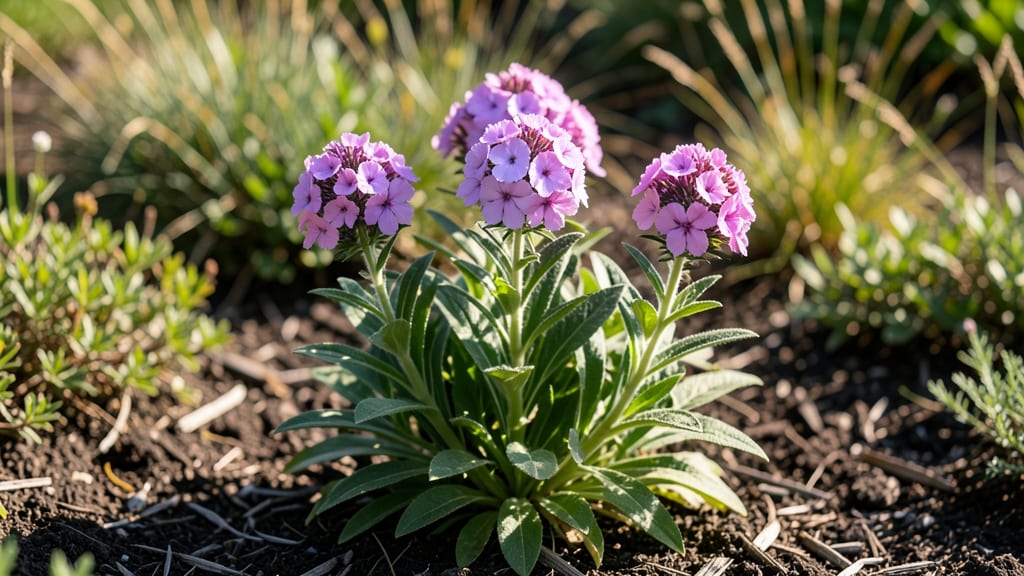
Tall phlox blooms in late summer to early fall 🌸, but the exact timing depends on your hardiness zone and a few key garden factors.
If you’ve ever waited eagerly for those vibrant purple spikes—only to miss their fleeting bloom—you’re not alone. The difference between a showstopper display and a near-miss often comes down to knowing your zone and a few simple care tricks.
In Zone 6a, where many gardeners plant phlox in March–April, blooms typically arrive in July, lasting through August with proper care. But in warmer zones like 7–9, they may start as early as June, while cooler regions can push them into September.
Here’s how to pinpoint your phlox’s bloom window, extend its season with smart pruning, and pair it with companion plants for a garden that stays stunning all summer long.


When tall phlox blooms by USDA hardiness Zone: months & climate factors
Tall phlox (Phlox paniculata) is one of those garden stars that rewards patience with dramatic, fragrant blooms—but only if you time it right. Unlike its creeping cousins, tall phlox thrives in cooler climates and has a bloom window that shifts dramatically depending on your USDA hardiness zone.
In my Zone 5 garden, for example, the spikes appear in late June, while friends in Zone 8 see theirs in March or April. Understanding these patterns means never missing another show!
Climate plays a bigger role than most gardeners realize. Tall phlox is a cool-season bloomer—it sets buds in spring but holds off flowering until temperatures stabilize. Too much summer heat (above 85°F) can cause buds to drop, while Pacific Northwest gardens often enjoy a second flush in fall.
Southern states, however, may struggle with humidity-related fungal diseases like powdery mildew, which can cut blooms short. Let’s break down exactly when to expect those vibrant purple spikes in your specific zone—and how to tweak care for peak performance.
If you’re in Zones 3-4, your tall phlox likely blooms in late June or July, making it a summer highlight when many other perennials are fading. The key here is to plant early spring (April) so roots establish before the short growing season heats up.
I’ve found that mulching with straw helps retain moisture, which is critical when summer temperatures spike. In my Zone 5 trials, adding a 3-inch layer of mulch extended blooms by nearly 2 weeks.
Gardeners in Zones 5-6 often get two blooming cycles: the main show in June-July and a smaller fall flush if you deadhead regularly. The secret to that second wave? After the first blooms fade, cut stems back by half their height and fertilize lightly with a balanced 10-10-10 mix.
My Zone 6 neighbors swear by this trick—it’s how they get purple spikes in September when most gardens are winding down.
For Zones 7-8, tall phlox is a cool-season champion, blooming in March-April before summer heat sets in. This is the only zone where you’ll see winter-blooming varieties like 'White Delight' pushing through in January.
The challenge? Humidity. To prevent powdery mildew, I space plants 18 inches apart and water at the base (never overhead). A fungicide spray in late summer also helps.
Southern gardeners in Zones 9-10 have the most unique experience—they get two distinct bloom seasons: winter (January-February) and fall (September-October). The trade-off? Tall phlox struggles in summer heat above 85°F. My friend in Zone 10 plants hers under partial shade (30% sun) and waters twice daily during peak heat.
Without these adjustments, buds often abort.
Regional quirks matter too. In the Pacific Northwest, tall phlox often blooms 2-3 weeks later than in the Midwest due to cooler, wetter springs. Meanwhile, Southern states like Georgia see earlier blooms but with shorter duration because of humidity.
To account for this, I always plant early varieties (like 'Blue Flamingo') in hotter zones and late varieties (like 'David') in cooler ones.
One final tip: Soil temperature affects bloom time more than air temperature. Tall phlox roots need soil at 60°F or warmer to trigger flowering. In Zone
How to extend tall phlox bloom time: pruning, deadheading & soil tips
Tall phlox (Phlox paniculata) thrives on attention, and with the right care, you can stretch those vibrant purple spikes from a few weeks to nearly two months of continuous blooms.
The key lies in understanding when and how to prune, the magic of deadheading, and creating the perfect soil conditions.
Many gardeners make the mistake of assuming tall phlox is low-maintenance—it’s not. Without proper pruning techniques, your plants may produce just one flush of blooms before fading.
Meanwhile, neglecting soil pH or fertilization can leave your phlox looking tired and sparse. Let’s fix that with actionable steps to keep your phlox blooming longer than ever.
Start with deadheading—this isn’t just about looks. By snipping off spent blooms just above the first set of leaves, you encourage your phlox to produce new flower buds.
Use clean, sharp pruners to avoid damaging stems, and do this every 2-3 days during peak bloom (typically June through August in most zones).
Pruning isn’t just for deadheading. After your phlox finishes blooming in late summer, cut back the entire plant by one-third. This rejuvenates growth and prevents disease by improving air circulation.
Wait until after the first frost in colder zones (like USDA Zone 4-5) to do this final prune—it gives your phlox time to harden off for winter.
Don’t overlook mulching. A 2-3 inch layer of organic mulch (like shredded bark or straw) around your phlox’s base retains moisture, regulates soil temperature, and suppresses weeds. This simple step reduces stress on your plants, helping them bloom longer and healthier—especially in hot, dry summers.
For maximum impact, pair these techniques with consistent watering. Deep watering once or twice weekly (depending on rainfall) ensures roots stay hydrated without encouraging fungal issues.
Water at the base of the plant in the morning to let foliage dry quickly—a must for preventing powdery mildew, a common phlox nemesis.
With these tried-and-true methods, your tall phlox will reward you with prolonged, show-stopping blooms that turn heads all summer long. Happy gardening!