
Blooming
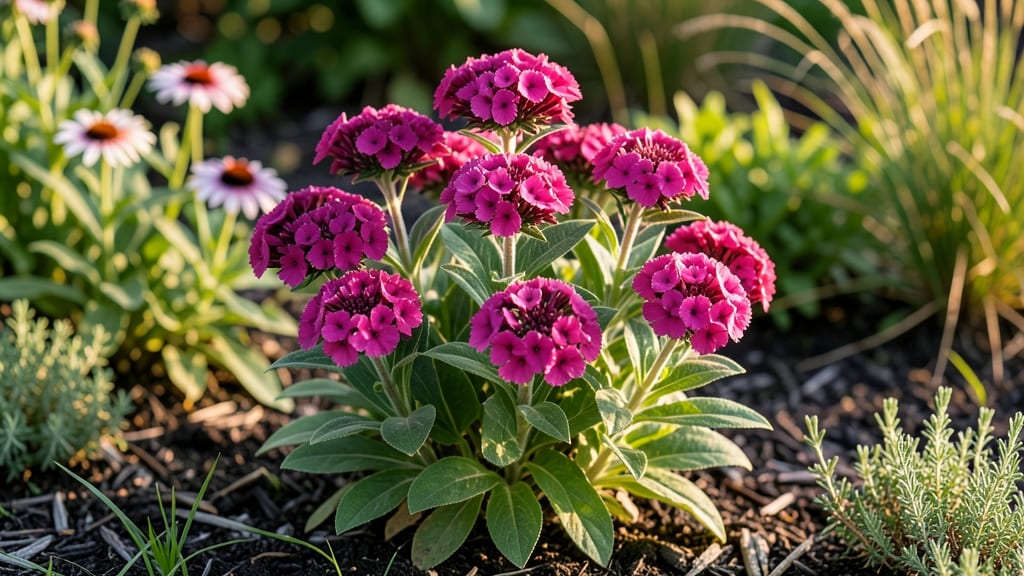
Phlox bloom time arrives like clockwork every year—those fragrant purple spikes burst into view just as the air warms to 60°F, usually between late May and early July in most gardens. 🌸 I’ve watched my garden transform from a sea of green to a cloud of color during this window, and it never fails to lift my spirits after the long winter.
The timing varies slightly depending on your zone and whether you’re growing garden phlox or the shorter, earlier-blooming creeping phlox varieties.
What makes phlox so reliable is its cool-season roots—it actually prefers cooler temperatures to bloom its best. In hotter climates, plants may need afternoon shade to prevent wilting, while in cooler zones, they’ll stretch their show into early summer.
The key to extending that bloom time? Consistent moisture (but not soggy soil) and deadheading spent flowers—this simple step can add 2-4 extra weeks of vibrant color to your garden.
You’ll know you’ve hit phlox bloom time when your garden fills with that sweet, honey-like fragrance that draws in bees and butterflies. The flowers start at the base and work their way up the stems, creating a stunning cascade of color.
For repeat blooms, a light feeding with balanced fertilizer mid-season works wonders—just don’t overdo it, as phlox prefers leaner soil for its best performance.
Here’s the secret: phlox thrives on neglect once established. Too much fertilizer or heavy pruning can reduce blooms, so focus on well-draining soil and sunlight (6+ hours daily).
Whether you’re growing them in borders, containers, or as ground cover, these perennials deliver year after year with minimal effort—just don’t let them go dormant in summer heat without some afternoon shade.
📚 In This Guide
- What you need
- Instructions
- Tips and common mistakes
- Wrapping up and next steps
What you need
- ● Phlox plants: Choose between panicle phlox (taller, late-summer blooms) or garden phlox (mid-summer, fragrant spikes). Buy 3-5 plants (or seeds) for a full, vibrant display.
- ● Well-draining potting mix or garden soil: 5-10 gallons (depending on pot size or garden bed). Amend with compost for nutrients.
- ● Slow-release fertilizer (10-10-10 or 5-10-10): 1-2 cups per 10 sq ft of garden bed or 1 tbsp per gallon of potting mix.
- ● Mulch (straw, pine bark, or shredded leaves): 2-3 inches to retain moisture and regulate soil temperature.
- ● Garden trowel or transplant spade (for digging holes 12-18 inches apart for spacing).
- ● Watering can or hose with a gentle spray nozzle (phlox loves consistent moisture but hates soggy roots!).
- ● Pruning shears (for deadheading spent blooms and shaping plants post-phlox bloom time).
- ○ Gloves (optional but handy for thorny stems or handling soil).
- ● Sunlight: Full sun to partial shade (6+ hours of sunlight daily for optimal phlox bloom time).
- ● Hardiness zones: Plant in Zones 3-9 (cool-season hardy!).
- ● Soil pH: Slightly acidic to neutral (6.0-7.0). Test your soil if unsure!
- ● Watering schedule: Keep soil evenly moist (especially during phlox bloom time—aim for 1 inch of water per week).
- ● Epsom salt (magnesium sulfate): 1 tbsp per gallon of water every 4-6 weeks for vibrant blooms.
- ● Staking or tomato cages (for taller varieties like panicle phlox to prevent flopping).
- ● Drip irrigation system (for automated, stress-free watering).
- ● Companion plants: Pair with salvia, bee balm, or daylilies for a pollinator-friendly garden!
How to time phlox blooms for maximum color impact
Phlox thrives in cool weather and rewards patience with dramatic, fragrant spikes—here's how to sync blooms with your garden's peak season.
🌱 Step 1: Plant in Early Spring for Summer Blooms
Set out phlox plants in early spring, as soon as soil can be worked—typically 2-4 weeks before your last frost date. This gives roots time to establish before summer heat arrives. I dig a hole twice as wide as the root ball but only as deep as the container it came in, since phlox roots hate being buried too deep.
Press the surrounding soil firmly around the roots to eliminate air pockets, then water deeply to settle everything. You'll know it's right when the soil surface looks slightly damp but not soggy. Mulch with 2-3 inches of organic material (like shredded bark) to protect roots from temperature swings—phlox thrives when soil stays 60-70°F.
☀️ Step 2: Position for Morning Sun and Afternoon Shade
Phlox needs full morning sun (at least 6 hours) but will appreciate afternoon shade in hotter climates. I plant mine where they get bright light until noon, then dappled shade—this prevents the flowers from fading too quickly. You'll see the difference in bloom longevity: plants in full afternoon sun often wilt by late afternoon.
Check your garden's sun patterns with a sun mapping tool or observe where leaves scorch by midday. If your area gets intense 90°F+ afternoons, consider a lightweight shade cloth (30-50%) during peak heat. The goal is to keep foliage lush but prevent heat stress that shortens bloom time.
💧 Step 3: Water Deeply and Consistently Through Blooming
Water phlox deeply once a week during establishment, then every 5-7 days once blooming begins. The key is consistency—phlox roots are shallow and hate drying out. You'll know it's time when the top 2 inches of soil feel dry to the touch. Water at the base in the morning to reduce fungal risks from evening moisture.
During bloom season, I add a balanced liquid fertilizer (10-10-10) every 3-4 weeks to extend flowering. You'll notice the spikes stay taller and more vibrant when roots get regular nutrients. Avoid high-nitrogen feeds—too much leaf growth at the expense of flowers is a common mistake.
✂️ Step 4: Deadhead and Prune for Extended Blooms
Snip spent blooms just above the first set of healthy leaves (about ½ inch down) to encourage new flower spikes. I do this every 2-3 days during peak bloom—it's the secret to 4-6 weeks of continuous color. The plant redirects energy to fresh buds instead of seed production. Wear gloves if you're sensitive to sap, as some varieties can be mildly irritating.
After the first flush of blooms fades (usually 6-8 weeks in), cut back one-third of the plant to promote a second, often lighter-colored bloom cycle. Time this prune for early fall—phlox often reblooms in cooler weather. You'll see fresh growth within 2-3 weeks, proving the plant isn't done for the year.
⏰ Step 5: Prepare for Next Season's Blooms
In late fall, cut back stems to 4-6 inches above ground level. This prevents flopping and makes it easier to spot new growth in spring. I leave the mulch in place over winter—it protects roots from freeze-thaw cycles that can damage phlox. In early spring, remove old mulch and add fresh before new growth appears.
Phlox spreads slowly via rhizomes, so divide clumps every 3-4 years in early spring. Dig up the plant, separate sections with 3-5 stems each, and replant immediately. You'll see stronger, more vigorous blooms in divided plants because they're no longer competing for space and nutrients.
Tips & tricks for perfect phlox bloom timing
These practical insights will help you maximize your phlox's vibrant display and avoid common pitfalls that shorten bloom time.
Soil Temperature Matters: Phlox roots thrive when soil stays between 60-70°F—this is why early spring planting works so well. If your spring soil runs cooler (below 50°F), wait until nighttime temperatures consistently stay above 50°F before planting. I've seen phlox struggle in cold soils, so use a soil thermometer if you're unsure. The goal is to give roots a head start before summer heat arrives.
Sunlight Strategy: That 6 hours of morning sun is non-negotiable for phlox, but here's the secret: position plants where they get direct light until noon, then shift to partial shade. I've noticed plants in full afternoon sun often wilt by 3 PM—this is heat stress. If your garden has intense 90°F+ afternoons, use a 30-50% shade cloth during peak heat to preserve those fragrant spikes.
Watering Wisdom: The 5-7 day watering schedule works best when you water deeply at the base in the morning. I check soil moisture by sticking my finger 2 inches down—that's when it's time to water. Avoid overhead watering, especially in the evening, as it promotes fungal diseases that can weaken plants before they even bloom. A drip irrigation system placed at the base is my go-to for consistent moisture.
Pruning Payoff: That every 2-3 days deadheading during peak bloom might feel tedious, but it's the key to 4-6 weeks of continuous color. I set a timer on my phone to remind me—it takes just 5 minutes per plant. For the one-third prune after 6-8 weeks, time it for early fall when temperatures drop below 80°F. You'll often see fresh growth appear within 2-3 weeks, proving the plant isn't done for the year.
Pro Tips for Phlox Bloom Time
- These practical insights will help you maximize your phlox's vibrant display and avoid common pitfalls that shorten b...
- Soil Temperature Matters: Phlox roots thrive when soil stays between 60-70°F—this is why early spring planting works ...
- Sunlight Strategy: That 6 hours of morning sun is non-negotiable for phlox, but here's the secret: position plants wh...
Frequently asked questions
When do phlox flowers typically bloom?
Phlox bloom times vary by type, but most Phlox paniculata (garden phlox) bloom from mid-to-late summer (July–September), while Phlox subulata (moss phlox) bloom earlier in spring (March–May). Cool-season varieties may rebloom with proper care!
Can phlox bloom in fall?
Yes! Hardy phlox like Phlox paniculata often produce late-season blooms in fall if planted in early spring. Deadhead spent flowers to encourage a second flush. Just ensure they’re in partial shade to protect them from harsh afternoon sun.
Why isn’t my phlox blooming?
Common culprits include overcrowding, poor soil, or excessive shade. Ensure your phlox gets 6+ hours of sun, well-draining soil, and occasional deadheading. If blooms are sparse, try dividing clumps every 3–4 years for renewed vigor.
What’s the best way to extend phlox bloom time?
To prolong blooms, fertilize lightly in early spring with a balanced 10-10-10 formula, and water consistently (1–2 inches per week). Prune back faded stems by ⅓ after the first bloom to encourage a second round. Mulch helps retain moisture and cool roots.
Are there early-blooming alternatives to phlox?
If you want spring color before phlox blooms, try Primroses (March–April), Bleeding Hearts (April–May), or Lungwort (March–June). For fall interest, pair phlox with Astors or Russian Sage, which bloom later.
Wrapping up and next steps
Phlox is a cool-season gardener’s dream—its fragrant purple spikes bring color and charm when many plants rest. Whether you’re planting Phlox paniculata for summer blooms or Phlox subulata for early spring, timing and care are key to maximizing their beauty.
With the right soil, sunlight, and a little patience, you’ll enjoy vibrant blooms that turn heads and fill your garden with fragrance.
Ready to transform your garden? Start by choosing the right phlox variety for your climate, then dive into planting and maintenance. Your next step? Grab your gardening gloves and get ready to nurture these stunning blooms—your future garden will thank you! 🌸