
Flowers
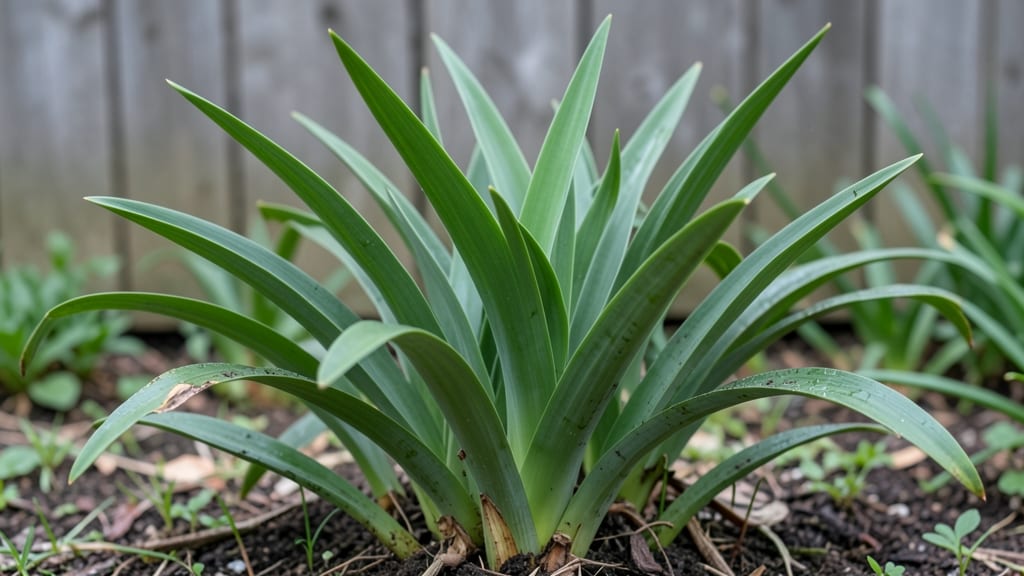
The tiger lily before bloom stage is where the real work of growing those showstopping orange-and-black blooms 🌸 begins.
Picture this: You’ve planted your bulbs in spring, and now you’re staring at a cluster of narrow, grass-like shoots poking through the soil. It’s easy to wonder if you’ve even planted the right thing—or if those little spears will ever become the dramatic flowers you’re dreaming of.
But here’s the secret: What you do in these early weeks—from soil prep to watering—directly impacts whether your tiger lilies will reward you with bold, healthy blooms by summer. Skimp on care now, and you might end up with weak stems or half-sized flowers.
Below, I’ll walk you through how to spot your tiger lilies in their earliest stages, what they need to thrive, and the key signs they’re on track for a stunning display. No guesswork, just proven tips to set you up for success.
How to identify tiger lily before bloom: key visual clues
Spotting tiger lilies before their dramatic blooms can feel like searching for a needle in a haystack—especially when they’re still just emerging shoots in spring. The key lies in their distinctive leaf patterns and growth habits, which set them apart from weeds or other bulbs like daffodils or tulips.
Unlike many spring flowers, tiger lilies don’t pop up with vibrant color; instead, they start with subtle but unmistakable signs of their future glory.
First, focus on the leaf shape. Tiger lily leaves are long, sword-like, and slightly pleated along the edges, resembling the blade of a dagger.
They grow in a fan-shaped arrangement from the base, creating a striking vertical line that’s easy to spot once you know what to look for. This is your first clue—if you see these smooth, lance-shaped leaves, you’re likely dealing with a tiger lily.
Next, pay attention to the leaf color. Healthy tiger lily leaves start as a deep greenish-blue hue when they first emerge, gradually darkening to a rich, glossy green as they mature.
This color is a dead giveaway, as most weeds or competing plants won’t match this exact shade. Yellowing leaves at this stage could signal overwatering or poor drainage, so keep an eye out for that too.
Another critical visual clue is the growth pattern. Tiger lilies send up multiple shoots from a single bulb, often forming a clump. These shoots grow straight upward and can reach 12-18 inches tall before the first flower buds appear.
Unlike some bulbs that spread horizontally, tiger lilies grow vertically, which helps distinguish them from ground-hugging weeds or grasses.
Here’s where it gets tricky: young tiger lilies can resemble daylilies or even grass-like weeds at first glance. The difference? Daylilies have thicker, more fleshy leaves, while tiger lilies are slender and more flexible.
Run your fingers along the leaf edges—tiger lily leaves feel smooth and slightly waxy, not rough or hairy like some weeds.
Don’t overlook the soil conditions around the emerging shoots. Tiger lilies thrive in well-draining soil, so if you’re seeing them in soggy or compacted areas, they might be struggling. Healthy tiger lily shoots will emerge from soil that’s crumbly and slightly moist, not waterlogged or dry as dust.
Timing is everything too. Tiger lilies typically sprout 4-6 weeks after the last frost, depending on your USDA hardiness zone. In Zone 6a, expect shoots to appear in late April or early May.
If you see shoots earlier, they might be crocuses or snowdrops, which bloom much sooner.
Pro tip: Use a magnifying glass to inspect the leaf veins. Tiger lily leaves have parallel veins that run the length of the leaf, creating a striped effect when held up to light. This is a foolproof way to confirm your suspicion—most weeds won’t have this level of symmetry.
Finally, watch for the first signs of buds. Even before the flowers appear, you’ll notice small, tightly coiled buds forming at the top of the stems. These buds are greenish-brown and resemble tiny cigars. Once you spot these, you’re just weeks away from those iconic orange-and-black blooms!
Here’s a quick reference to help you distinguish tiger lilies from common look-alikes:
| Feature | Tiger Lily | Daylily | Grass/Weeds | Daffodil |
|---|---|---|---|---|
| Leaf Shape | Sword-like, pleated edges | Thick, fleshy, strap-shaped | Thin, grass-like, or jagged | Long, strap-like, smooth |
| Leaf Color | Greenish-blue to deep green | Bright green, sometimes purple-tinged | Varies (often yellowish or dull) | Bright green |
| Growth Pattern | Multiple vertical shoots | Single or clustered stems | Spreads horizontally | Single or paired stems |
| Early Buds | Tightly coiled, cigar-shaped | Round, green buds | None (weeds) | Round, green, or yellow-tipped |
| Soil Preference | Well-draining, slightly moist | Adaptable, tolerates clay | Any (often invasive) | Well-draining, fertile |
| Emergence Time | 4-6 weeks after last frost | Early spring (varies) | Year-round (weeds) | Early spring |
Now that you can confidently spot tiger lilies in their early stages, the next step is giving them the care they need to thrive. Well-draining soil and full sun exposure are non-negotiable—these plants reward attentive gardeners with showstopping blooms that last for weeks.
Keep an eye out for those pleated leaves and vertical growth, and you’ll be well on your way to a garden full of tiger lily drama.
Remember, the earlier you identify and nurture these plants, the healthier and more robust their blooms will be. Happy gardening—and may your tiger lilies bring you years of dramatic, eye-catching color!
Critical care tips for tiger lilies in early growth stages
Tiger lilies (Lilium lancifolium) need consistent care from the moment they sprout to ensure those bold orange-and-black blooms appear. Early growth sets the foundation for strong stems and vibrant flowers.
The first 4-6 weeks after sprouting are critical—this is when young shoots are most vulnerable to overwatering, poor soil, and pest attacks. I’ve learned from experience that skipping these early care steps often leads to stunted growth or yellowing leaves before the plant even reaches maturity.
Start by monitoring your soil moisture closely. Tiger lilies prefer well-draining soil that stays evenly moist but never soggy. Overwatering in early stages can cause root rot, while underwatering stresses the plant.
I check soil moisture by sticking my finger 1-2 inches deep—if it feels dry, it’s time to water. Early morning is the best time to water, as it allows foliage to dry before evening, reducing fungal risks.
Tiger lily shoots are delicate and often mistaken for weeds. Here’s what to watch for:
- Yellowing leaves: Usually signals overwatering or nutrient deficiency. Reduce watering and add balanced fertilizer (10-10-10).
- Stunted growth: Often caused by poor sunlight or compacted soil. Ensure 6+ hours of direct sun daily.
- Mold or spots: Fungal issues from excess moisture on leaves. Space plants 6 inches apart for airflow.
Position your tiger lilies in a spot with full sun exposure—at least 6 hours of direct sunlight daily. Early morning sun is ideal, as it gently warms the soil without scorching tender shoots. If growing in containers, place them on a south-facing porch or balcony.
I’ve seen tiger lilies in partial shade still grow, but their flower stems weaken, leading to fewer blooms. A south-facing garden bed is the gold standard for robust growth.
Feed your tiger lilies with a balanced fertilizer (10-10-10) when shoots reach 4-6 inches tall. Apply 1 tablespoon per plant and water it in thoroughly. Early feeding encourages strong root development and healthier foliage.
I avoid heavy fertilizers in the first 2 weeks of growth—let the plant establish itself first. Over-fertilizing can burn young roots and cause nutrient imbalances.
Pests like aphids and slugs target young tiger lily shoots. I inspect plants weekly for signs of damage, such as chewed leaves or sticky residue. For aphids, I spray a mix of water and mild soap (1 tsp per gallon) on affected areas.
Slugs are deterred by crushed eggshells or copper tape around the base. Early intervention prevents pests from stunting growth or spreading to other plants.
Mulch around the base of your tiger lilies with 2-3 inches of organic mulch, like straw or shredded leaves. Mulching retains moisture, suppresses weeds, and regulates soil temperature. I add mulch after the soil warms in late spring, once the risk of frost has passed.
Avoid piling mulch directly against stems, as this can cause rot. Instead, create a 2-inch gap around each plant for airflow.