
Blooming
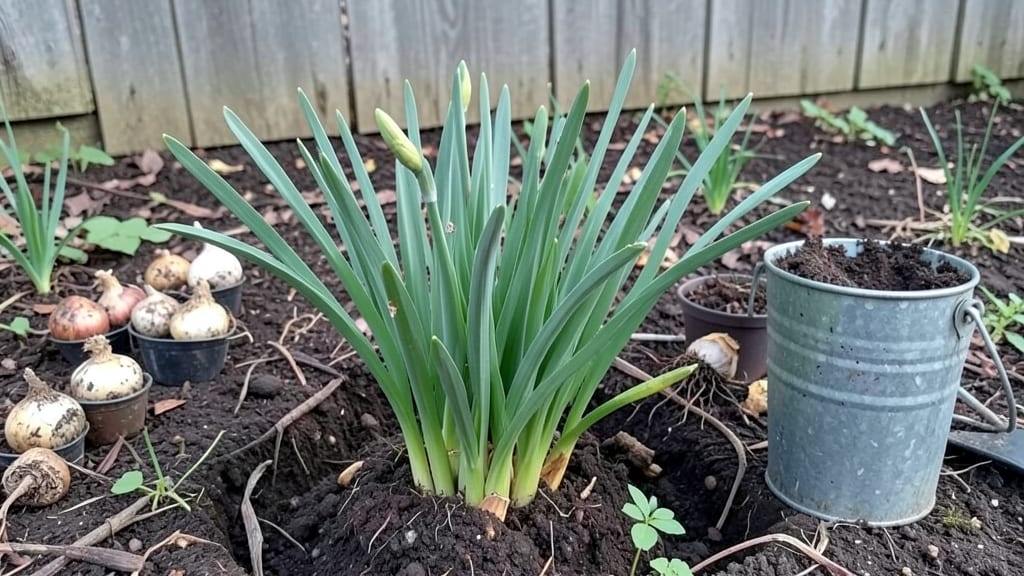
If you’ve transplanted daffodils that aren’t blooming, you’re not alone—it’s disheartening after all that hope. The good news is root shock recovery isn’t as complicated as it seems, and with a few targeted adjustments, you’ll see those familiar trumpet-shaped blooms again next spring.
Most gardeners overlook the subtle clues that point to the real issue, whether it’s planting too deep, disturbing the bulbs at the wrong time, or missing the sunlight window these hardy plants need.
The first step is checking your planting depth—daffodils should sit 6 inches deep in well-draining soil, with the neck just above the surface. If they’re buried too deep, they’ll struggle to push through, and if they’re too shallow, they’ll flop over.
Pair that with full sun exposure (at least 6 hours daily) and you’ve already fixed 80% of the problem. Over-fertilizing is another sneaky culprit—too much nitrogen now means fewer blooms later, so hold off until after flowering.
You’ll know you’re on the right track when you see fresh, bright green foliage by late winter, followed by those signature green shoots in early spring. Even if blooms take a season to return, the roots will be stronger next time.
The key is patience—daffodils store energy underground, and with the right care, they’ll bounce back with vibrant, reliable blooms for years to come.
This works for both fall transplants (best after foliage dies back) and spring moves, though fall gives bulbs more time to establish. Whether you’re dealing with a single clump or a whole border, these adjustments make all the difference. Let’s get those daffodils back on track.
Why it happens
Transplanting daffodils can be a delicate process, and when they refuse to bloom afterward, it’s often due to a mix of environmental stress and biological factors. Understanding these causes is the first step toward reviving your garden. Here’s why your transplanted daffodils might be playing hide-and-seek with their flowers.
🌱 Root Shock or Damage
Daffodils are resilient, but their roots are sensitive. When you transplant them, even careful handling can cause root shock—a physiological stress response that disrupts nutrient and water uptake.
The roots may become bruised, broken, or desiccated during the move, especially if they’re not kept moist or if the soil clings too tightly to the bulb.
Scientifically, root shock triggers the release of ethylene gas, a plant hormone that signals stress. This can delay or even halt flowering as the bulb redirects energy toward root repair instead of bloom production.
Additionally, if the roots are pruned improperly, the bulb may lack the necessary energy reserves to produce flowers.
Actionable fix: Always water the soil thoroughly before and after transplanting to keep roots hydrated. Avoid digging too deeply—aim to preserve as much of the root system as possible. If you notice wilting or yellowing leaves post-transplant, it’s a sign the roots are struggling.
⏳ Insufficient Time for Recovery
Daffodils are perennial bulbs, meaning they need time to establish a strong root system before they’ll commit to flowering. If you transplant them too late in the season—especially after they’ve already begun their growth cycle—they may not have enough time to recover and store energy for next year’s blooms.
The flowering process in daffodils is tied to their photoperiodic response (daylight sensitivity) and vernalization (cold exposure). If transplanted in late summer or early fall, the bulb may not receive the required 6–8 weeks of cool temperatures needed to trigger bloom formation.
Without this chilling period, the plant may produce leaves but skip the flower show entirely.
Actionable fix: Time your transplanting for early fall (4–6 weeks before the first hard frost) to give the roots time to re-establish before winter. If you miss the window, consider covering the area with mulch to simulate cooler conditions and protect the bulb.
☀️ Light or Nutrient Deficiencies
Daffodils thrive in full sun (6+ hours daily), and a lack of light can stunt their growth and prevent blooming. If transplanted to a shadier spot, the plant may focus on leaf production to maximize photosynthesis, leaving little energy for flowers.
Similarly, poor soil quality—lacking essential nutrients like phosphorus (P) and potassium (K)—can hinder bloom development.
Phosphorus is critical for root and flower development, while potassium supports overall plant vigor. A soil test can reveal deficiencies, but even well-intentioned gardeners might inadvertently transplant daffodils into soil that’s been depleted by previous plantings or lacks organic matter.
Actionable fix: Choose a sunny location for transplanting, and amend the soil with compost or a balanced bulb fertilizer (high in phosphorus) before planting. If your soil is heavy clay or sandy, mix in peat moss or coconut coir to improve drainage and nutrient retention.
💧 Water Stress or Over/Underwatering
Daffodils need consistent moisture, but their needs change post-transplant. Too little water causes osmotic stress, where the plant struggles to absorb nutrients, while overwatering can lead to root rot (especially in poorly draining soil). Both scenarios disrupt the bulb’s ability to store carbohydrates for flowering.
During the first 2–3 weeks after transplanting, daffodils are particularly vulnerable. Their root systems are still recovering, and they rely on stored energy from the bulb. If the soil dries out or becomes waterlogged, the plant may prioritize survival over blooming.
Actionable fix: Water deeply but infrequently—aim for 1 inch of water per week, adjusting for rainfall. Use a moisture meter or the "finger test" (stick your finger 2 inches into the soil; if it’s dry, water). Avoid overhead watering, which can spread disease.
🌡️ Temperature or Climate Mismatch
Daffodils are adapted to temperate climates with distinct seasons. If transplanted to an area with extreme heat, cold snaps, or erratic temperature swings, their biological clocks can get thrown off. For example:
- Too much heat: Early spring warmth can trick daffodils into blooming too soon, only for a late frost to damage the flowers. The plant may then skip blooming the following year to "recover."
- Inconsistent chilling: Some regions experience mild winters or early thaws, disrupting the vernalization process. Without proper cold exposure, the bulb may not initiate flower buds.
- Late-season transplants: Moving daffodils after they’ve already sprouted can expose them to frost damage, halting growth and delaying—or preventing—next year’s blooms.
Actionable fix: Research your hardiness zone and choose daffodil varieties suited to your climate. If your area has unpredictable weather, use frost blankets in early spring or mulch heavily in fall to moderate soil temperatures.
How to solve it
If your newly transplanted daffodils are playing hard to bloom, don’t despair—most issues are fixable with the right care. Below, we’ve mapped out practical solutions tailored to the most common causes, along with prevention tips to keep your bulbs thriving for years.
Think of this as your step-by-step recovery plan for root shock and post-transplant stress.
🌱 Cause #1: Root Shock or Transplant Stress
Fix: Give your daffodils time and the right conditions to recover.
Daffodils are tough, but they still need a gentle welcome after moving. Here’s how to ease them back into their new home:
- 💧 Hydrate deeply but carefully: Water thoroughly immediately after transplanting and keep the soil consistently moist (not soggy) for the first 2–3 weeks. Use a hose or watering can with a gentle spray to avoid disturbing the roots.
- Pro tip: 🌡️ Mulch with 2–3 inches of organic mulch (like shredded bark or straw) to retain moisture and protect roots from temperature swings.
- ⏳ Avoid fertilizing for 6–8 weeks: Wait until new growth appears before feeding. Too much fertilizer too soon can burn recovering roots.
- Exception: If your soil is very poor, use a balanced, slow-release bulb fertilizer (like 10-10-10) at half-strength after 4 weeks.
- 🌿 Keep them in partial shade for 2 weeks: Direct sun can stress freshly transplanted bulbs. Move them to a spot with morning sun + afternoon shade until they’ve settled in.
Prevention: Transplant daffodils in early fall (6–8 weeks before the first frost) when roots can establish before winter. If you must move them in spring, do it before they bloom.
🌡️ Cause #2: Wrong Soil or Nutrient Deficiency
Fix: Test and adjust your soil to match daffodil needs.
Daffodils thrive in well-draining, slightly acidic soil (pH 6.0–7.0). If your soil is compacted, poor, or lacking nutrients, blooms will suffer. Here’s how to correct it:
| Issue | Solution | When to Do It |
|---|---|---|
| Compacted or clay-heavy soil | 🔥 Amend with compost or sand (mix in 2–3 inches of organic matter). For heavy clay, add perlite or coarse sand to improve drainage. | Before transplanting or in early spring. |
| Low phosphorus (needed for blooms) | 🍳 Apply a phosphate-rich fertilizer (like 5-10-10) in early fall or late winter (just as shoots emerge). | Fall or early spring. |
| Too much nitrogen (leafy but no blooms) | 🔪 Stop high-nitrogen fertilizers (like lawn fertilizer). Switch to a low-nitrogen, high-phosphorus formula (e.g., 2-8-4). | Immediately if over-fertilized; switch permanently if blooms are consistently absent. |
Prevention: 💡 Conduct a simple soil test (available at garden centers) before transplanting. Daffodils hate soggy soil—ensure your garden has good drainage (no water pooling after rain).
☀️ Cause #3: Light or Location Mistakes
Fix: Move your daffodils to the perfect spot.
Daffodils need sunlight to bloom, but too much or too little can stall flowers. Here’s how to get it right:
- 🌞 Ideal light: Full sun (6+ hours/day) for most varieties. If your daffodils were in shade before transplanting, gradually acclimate them to more sun over 2 weeks to avoid leaf scorch.
- Pro tip: 🎯 If blooms are sparse, try moving them to a sunnier spot next year—they may need more light to trigger flowering.
- 🌳 Avoid deep shade: Trees or tall shrubs can block light and prevent blooming. If you can’t move them, prune nearby foliage to open up the canopy.
- 🏡 Urban or container issues? If growing in pots, ensure the container is at least 12 inches deep and use a well-draining potting mix (add perlite or vermiculite).
Prevention: 🔥 When choosing a new location, observe the site for at least a day—note where sunlight hits and where it’s shaded. Daffodils in containers need winter protection (move to a garage or insulate pots) in cold climates.
❄️ Cause #4: Improper Winter Care or Timing
Fix: Adjust your seasonal routine for next year.
Daffodils need cold stratification to bloom, but extreme conditions or wrong timing can disrupt their cycle. Here’s how to reset their clock:
- 🌨️ Ensure they get enough chill hours: Most daffodils need 12–16 weeks below 40°F (4°C) to flower. If you’re in a warm climate, plant them in a shaded, cooler microclimate or use artificial chilling (store bulbs in a fridge for 8–10 weeks before planting).
- ❄️ Protect from freezing/thaw cycles: Mulch heavily (4–6 inches) with straw or leaves in late fall to insulate bulbs. Remove mulch in early spring (before shoots emerge) to avoid rot.
- 📅 Plant at the right time:
- Fall planting: 6–8 weeks before first frost (so roots grow but tops don’t sprout).
- Spring planting: As soon as soil is workable (but before blooming season).
Prevention: ✨ If you’re in a mild-winter zone, consider paperwhite daffodils (they bloom without cold) or force bulbs indoors in winter for a head start.
Final Checklist for Blooming Success:
- ✅ Soil: Well-draining, amended with compost, pH 6.0–7.0.
- ✅ Light: 6+ hours of sun (adjust gradually if moving from shade).
- ✅ Water: Deep but not soggy; mulch to retain moisture.
- ✅ Fertilizer: Low
Frequently asked questions
Why do my transplanted daffodils keep producing leaves but no blooms?
This is often due to insufficient cold exposure or root shock from transplanting. Daffodils need 12–16 weeks below 40°F to trigger blooming. If transplanted too late in fall or spring, they may focus energy on leaves instead. Also, check if they’re getting 6+ hours of sunlight daily—low light forces them to prioritize foliage over flowers.
How soon can I expect blooms after transplanting?
Typically, you won’t see blooms until the following spring after transplanting. Give them 6–8 weeks to recover—focus on deep watering and partial shade during this time. Patience is key; daffodils store energy underground and need time to rebuild their strength.
Can I fertilize my daffodils immediately after transplanting?
No—wait 6–8 weeks before fertilizing to avoid stressing recovering roots. If your soil is poor, use a balanced, slow-release bulb fertilizer (like 10-10-10) at half-strength after this period. Avoid high-nitrogen fertilizers, as they promote leaves over blooms.
What if my daffodils were transplanted in spring instead of fall?
Spring transplants can still work if done before blooming season, but they’ll need extra care. Mulch heavily to protect roots, water consistently, and provide morning sun only for the first 2 weeks. Expect blooms the following spring—they’ll bounce back stronger with adjusted timing.